
Home > Lancaster, OH > Drainage Solutions
Expert French Drain Installation, Yard Drainage & Basement Waterproofing Throughout Lancaster & Fairfield County
Drainage problems plague Lancaster and Fairfield County properties due to heavy clay soil preventing proper water absorption. Wet basements, standing water in yards, and foundation water issues result from clay soil’s poor drainage characteristics affecting thousands of local properties. Drain Bros provides comprehensive drainage solutions throughout Lancaster designed specifically for Fairfield County’s challenging clay soil conditions. Our Lancaster drainage expertise includes French drain installation channeling water away from foundations, yard drainage systems eliminating wet areas, basement waterproofing protecting lower levels, sump pump installation preventing flooding, and foundation drainage preventing structural damage. As your local Lancaster services provider, we understand the unique drainage challenges clay soil creates and provide lasting solutions engineered for local conditions.
Fairfield County’s clay soil doesn’t percolate water well—rain creates surface runoff, puddles, and saturation rather than absorbing into ground. This creates persistent drainage problems requiring professional solutions beyond simple grading. Lancaster properties need properly designed drainage systems accounting for clay soil characteristics—French drains with adequate capacity, yard drainage directing water to appropriate discharge points, and basement protection preventing water intrusion. We’ve solved drainage problems throughout Lancaster and Fairfield County, installing hundreds of French drains and drainage systems designed specifically for clay soil conditions. Our complete drainage solutions address all Lancaster drainage challenges from minor yard wet spots to serious basement flooding and foundation threats.
From downtown Lancaster properties to west Lancaster neighborhoods and rural Fairfield County homes, we provide expert drainage solutions. Professional assessment identifies drainage problems and designs appropriate systems. Call (740) 327-8775 for Lancaster drainage expertise solving clay soil drainage challenges permanently.



Lancaster and Fairfield County sit on heavy clay soil—geological characteristic affecting entire region. Clay soil formed from ancient lake deposits creates dense, poorly draining ground throughout the county. This clay layer extends several feet deep in most areas preventing water percolation into deeper soil. Clay’s fine particles pack tightly leaving minimal pore space for water movement. When rain falls on clay soil, water pools on surface or saturates thin topsoil layer rather than draining away. This creates persistent drainage problems affecting Lancaster properties regardless of age or construction quality. Even well-built homes experience drainage issues when clay soil prevents natural water movement. Understanding Lancaster’s clay soil explains why drainage problems are so common—it’s not poor construction but challenging soil conditions requiring professional drainage solutions.
Clay soil’s physical properties create drainage challenges. Key characteristics include very small particle size (microscopic clay particles versus larger sand/silt), particles that compact tightly reducing pore space, poor permeability (water moves through clay extremely slowly), high water retention (clay holds water rather than draining), and swelling when wet (expanding clay creates pressure on foundations). These properties mean clay soil doesn’t drain like sandy or loamy soil—water infiltration is minimal, surface saturation is common, and subsurface water movement is very slow. Fairfield County clay can hold water for days or weeks after rain. This poor drainage requires artificial drainage systems—French drains, surface drainage, and mechanical removal (sump pumps)—moving water away since soil cannot absorb it naturally.
Clay soil drainage problems affect Lancaster properties in multiple ways. Common impacts include wet basements from groundwater pressure and surface water, foundation damage from hydrostatic pressure and soil movement, standing water in yards creating unusable muddy areas, erosion from surface water runoff, landscape damage from saturated soil, and cracked driveways/sidewalks from soil movement. These problems worsen over time without proper drainage—water continues accumulating, pressure increases, and damage progresses. Professional drainage solutions protect Lancaster properties from clay soil impacts. Properly designed systems move water away before it causes problems—French drains intercept groundwater, yard drainage removes surface water, and sump pumps mechanically remove water threatening basements. Investment in professional drainage prevents expensive damage repairs while making properties functional and enjoyable.
French drains are primary solution for Lancaster drainage problems. French drain installation involves excavating trench alongside foundation or in problem areas, installing perforated pipe in gravel bed, wrapping system in filter fabric preventing silt intrusion, and directing collected water to appropriate discharge point. French drains intercept groundwater before reaching foundations, lower water table around properties, and channel water away preventing accumulation. For Fairfield County clay soil, French drain design is critical—adequate depth reaching below saturation zone, sufficient slope ensuring drainage, proper gravel size and amount, and appropriate discharge location. Poorly designed French drains in clay soil fail quickly from improper grade or inadequate capacity. Professional installation ensures French drains function reliably in challenging clay conditions. Cost ranges $3,000-$8,000 typically depending on length and depth. French drains solve Lancaster’s most serious drainage problems protecting foundations and basements.
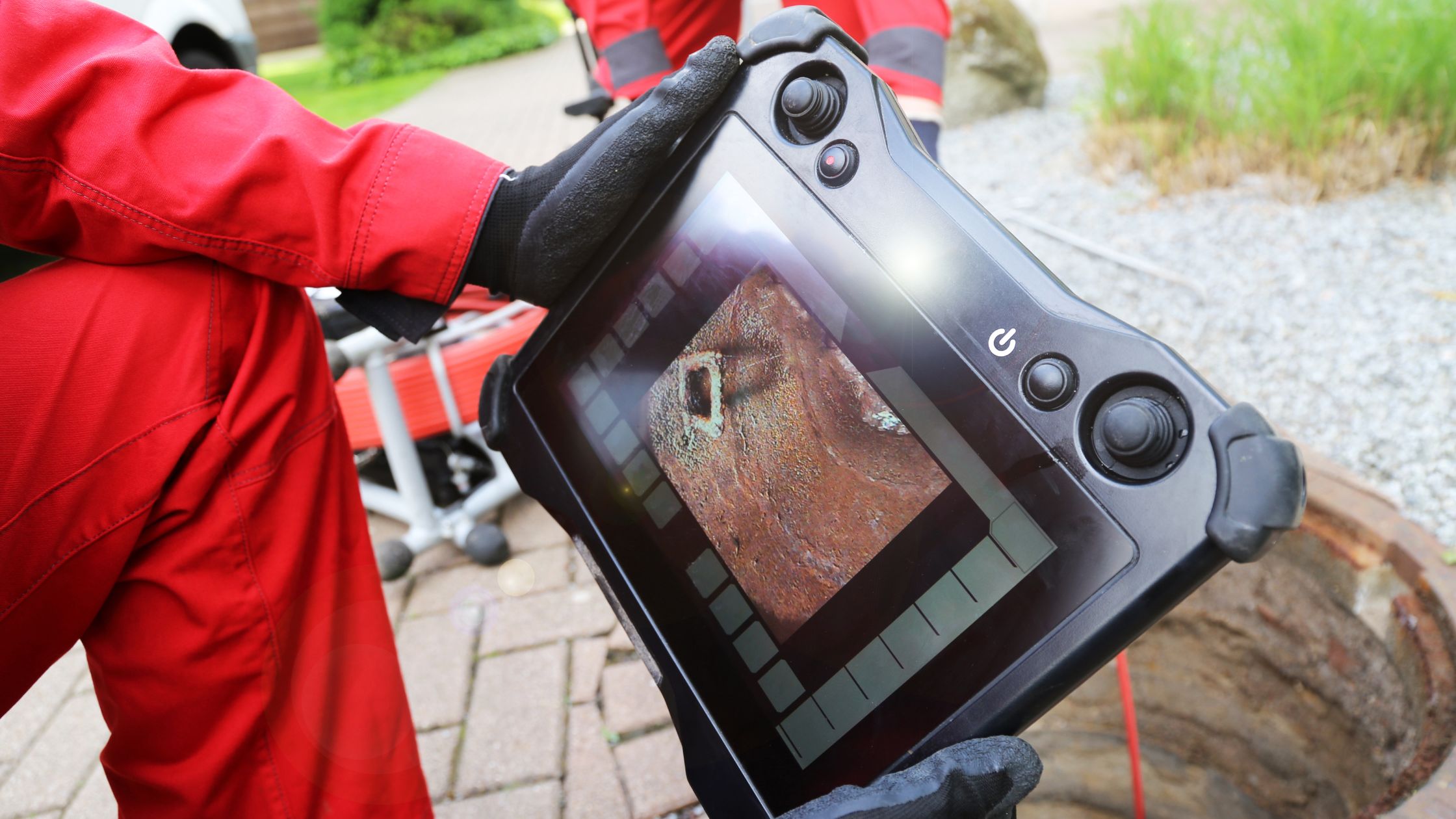
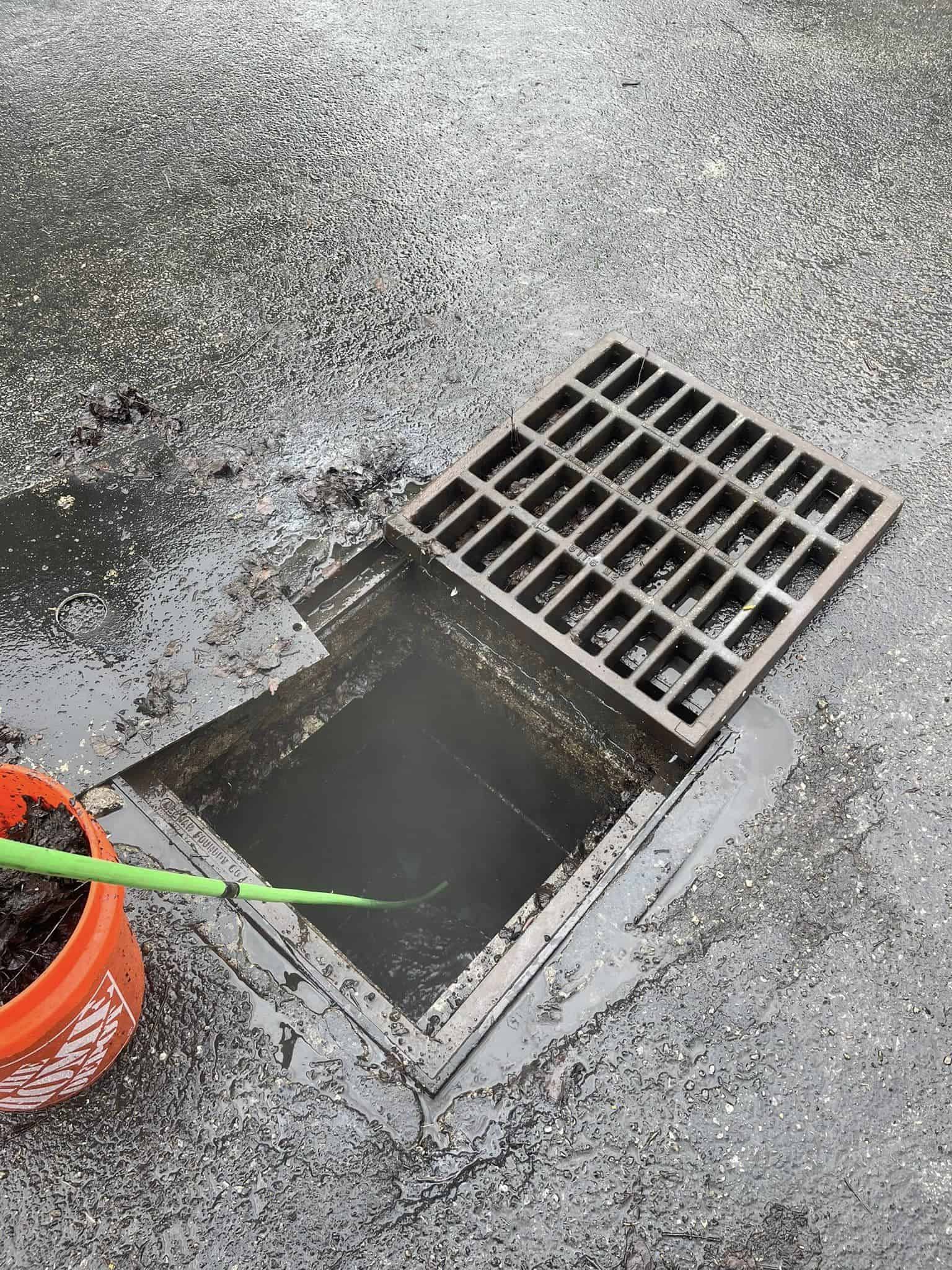
Yard drainage eliminates standing water and wet areas in Lancaster properties. Yard drainage systems include surface drainage collecting and channeling water, catch basins in low areas, drainage pipes moving water to discharge points, and grading modifications improving surface flow. Yard drainage addresses surface water problems—puddles after rain, muddy areas, and wet zones preventing yard use. For clay soil yards, drainage must account for minimal natural absorption—systems need adequate capacity for runoff volume since soil won’t absorb water. Solutions include strategically placed drainage collecting water from low areas, pipe systems moving water to street drainage or other discharge, and sometimes combining with French drains for comprehensive coverage. Well-designed yard drainage transforms unusable muddy areas into functional enjoyable spaces. Cost ranges $1,500-$5,000 depending on yard size and system complexity. Yard drainage makes Lancaster properties usable after rain.
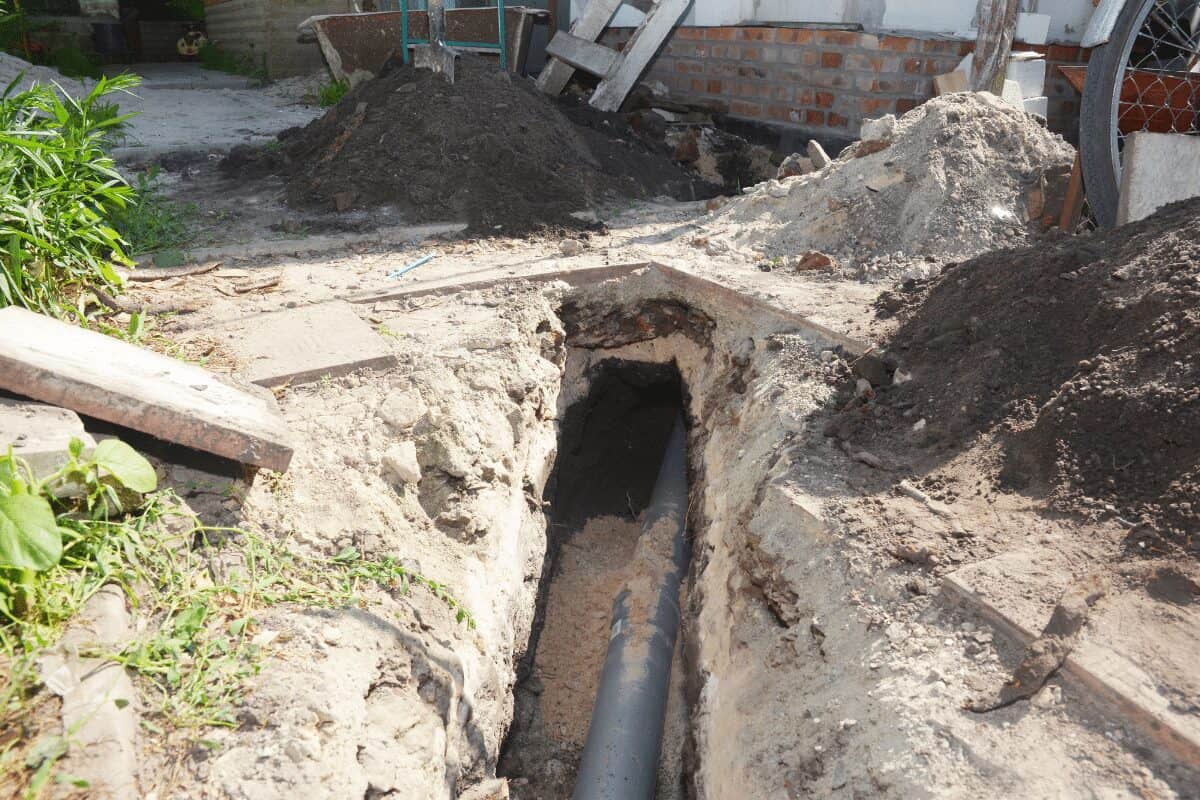
Basement waterproofing protects Lancaster homes from water intrusion. Basement waterproofing includes exterior waterproofing membrane on foundation walls, interior drainage systems collecting water before it enters basements, sump pump installation removing collected water, and crack repair sealing water entry points. Basement water in Lancaster results from clay soil creating hydrostatic pressure against foundations—groundwater cannot drain away naturally so it pushes against basement walls seeking entry through any crack or joint. Comprehensive waterproofing addresses pressure through exterior drainage (French drains), manages water entering through interior drainage, and mechanically removes water via sump pumps. Basement waterproofing is essential for Lancaster homes with finished basements or basement living space. Cost ranges $3,000-$10,000+ depending on system extent. Proper waterproofing protects Lancaster basements from clay soil groundwater pressure.
Foundation drainage prevents water damage to Lancaster home structures. Foundation drainage combines exterior French drains around foundation perimeter, proper grading directing surface water away, downspout extensions moving roof water away from foundations, and backfill materials promoting drainage rather than water retention. Foundation drainage protects against multiple threats—surface water pooling against foundations, groundwater pressure causing cracks and leaks, and soil saturation causing foundation movement. Clay soil makes foundation drainage critical—water doesn’t drain naturally so it accumulates against foundations unless actively channeled away. Proper foundation drainage installed during construction prevents problems; retrofitting drainage solves existing issues. Cost varies widely depending on work extent. Foundation drainage is essential Lancaster home protection—prevents expensive foundation damage from clay soil water problems.
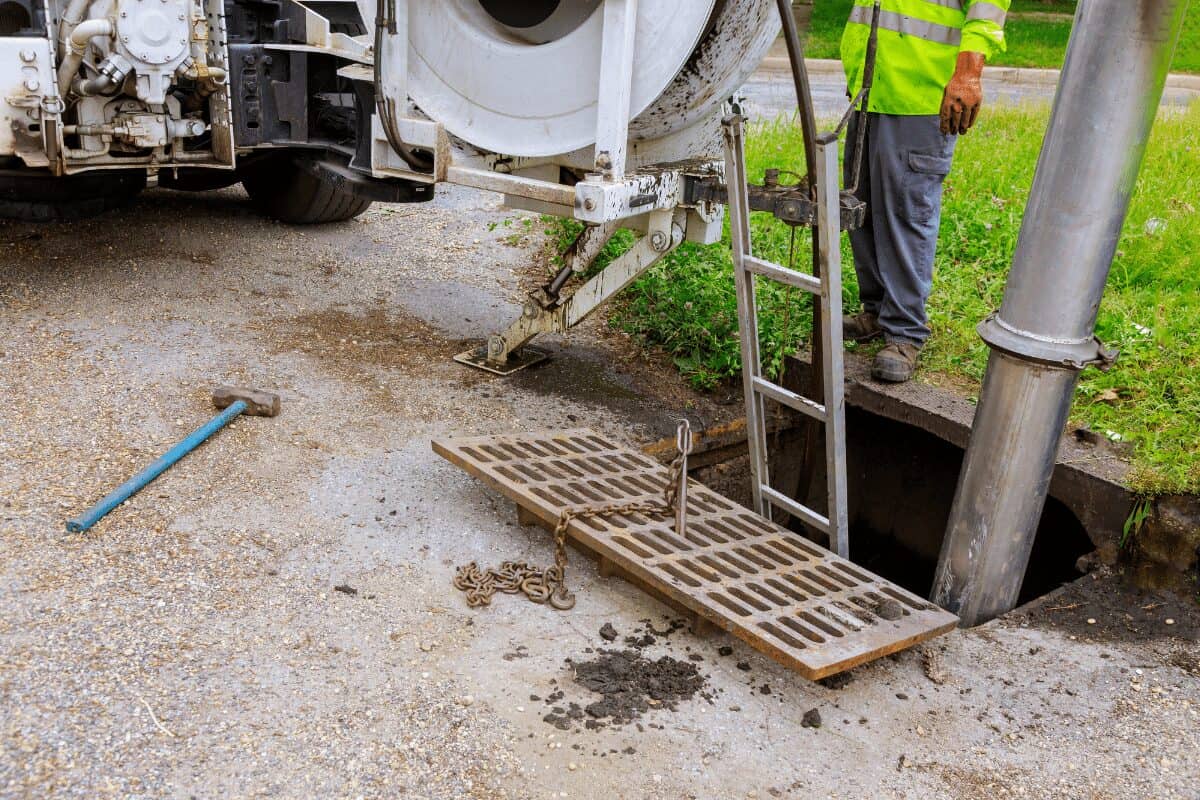
Wet basements are Lancaster’s most common drainage complaint. Basement water appears as seeping through walls, puddles on floors, damp musty conditions, or complete flooding during heavy rain. Clay soil creates constant groundwater pressure against basement walls—water cannot drain away naturally so it seeks entry through foundation cracks, joints, or porous concrete. Wet basements damage finishes, create mold problems, and prevent basement use. Solutions combine exterior French drains lowering groundwater around foundations, interior drainage systems collecting water before it causes damage, and sump pumps removing water mechanically. Many Lancaster homes need comprehensive basement waterproofing addressing clay soil pressure. Ignoring wet basements leads to worsening problems—mold, structural damage, and health hazards. Professional drainage eliminates basement water protecting homes and health.
Standing water and muddy yards plague Lancaster properties after rain. Clay soil doesn’t absorb water so rain creates puddles, wet areas, and muddy zones lasting days. Standing water prevents yard use, kills grass, creates mosquito breeding areas, and looks unsightly. Yard drainage problems often worsen over time—traffic compacts clay further reducing absorption, low areas develop from erosion, and problems spread. Solutions include surface drainage collecting water from low areas, grading improvements directing water away, and French drains lowering overall water table. For severe problems, comprehensive systems combining multiple approaches work best. Yard drainage transforms unusable muddy areas into functional attractive spaces. Lancaster families appreciate reclaiming yards from persistent wet conditions through professional drainage solutions designed for clay soil.
Water against foundations threatens Lancaster home structures. Foundation water problems include hydrostatic pressure causing cracks, soil saturation causing settlement and movement, and water intrusion through foundation walls. Clay soil creates maximum foundation water pressure—groundwater cannot drain away so it constantly pushes against foundations seeking weaknesses. Foundation water causes basement leaks, structural cracks, and in severe cases foundation failure requiring expensive repair. Prevention through proper drainage is critical—French drains around foundations, proper grading, and downspout management. Existing foundation water problems require drainage retrofits removing pressure. Foundation damage repairs cost thousands to tens of thousands; preventive drainage costs fraction of repair expenses. Protecting Lancaster foundations from clay soil water pressure is essential home maintenance.
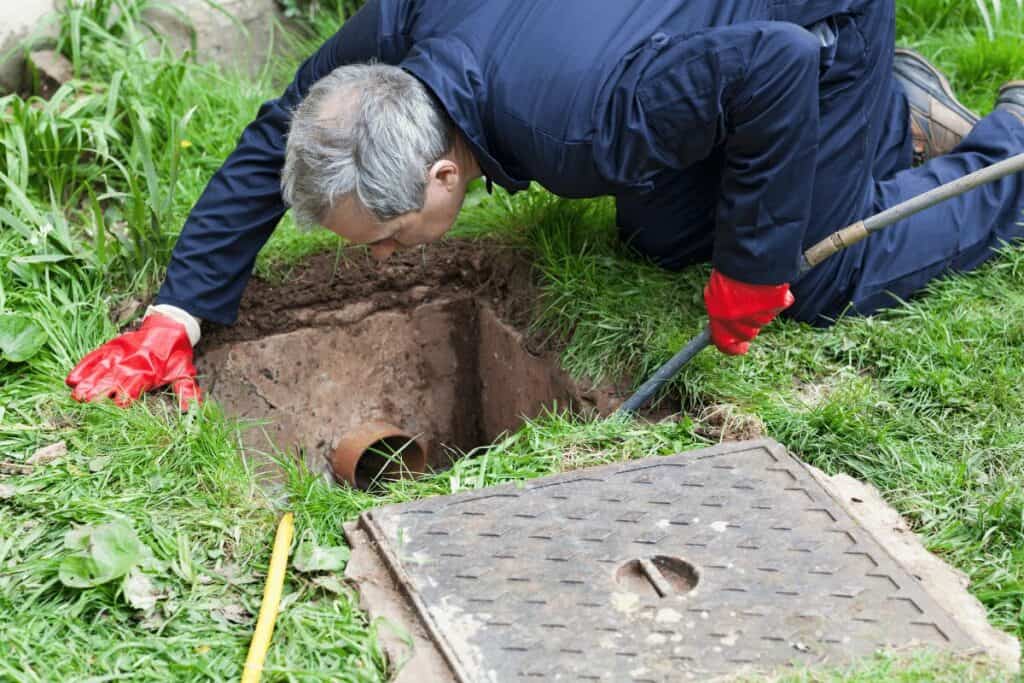
Downtown Lancaster features older properties often lacking modern drainage systems. Historic buildings may have minimal foundation drainage relying on clay tile or no drainage at all. Basement flooding is common in downtown properties during heavy rain. Limited yard space complicates drainage solutions requiring creative design. We’ve solved numerous downtown Lancaster drainage problems working within space constraints and respecting historic property character. Downtown property owners appreciate professional drainage expertise addressing unique older building challenges while providing modern reliable water management.
West Lancaster residential areas developed 1950s-1970s commonly have drainage problems from clay soil and aging infrastructure. Many properties have inadequate foundation drainage from original construction when standards were less stringent. Mature landscaping can create drainage complications—large trees affect grading, established beds complicate installation. We’ve installed extensive drainage throughout west Lancaster including French drains, yard drainage, and basement waterproofing. West Lancaster homeowners trust our neighborhood drainage experience providing solutions appropriate for area properties and conditions.
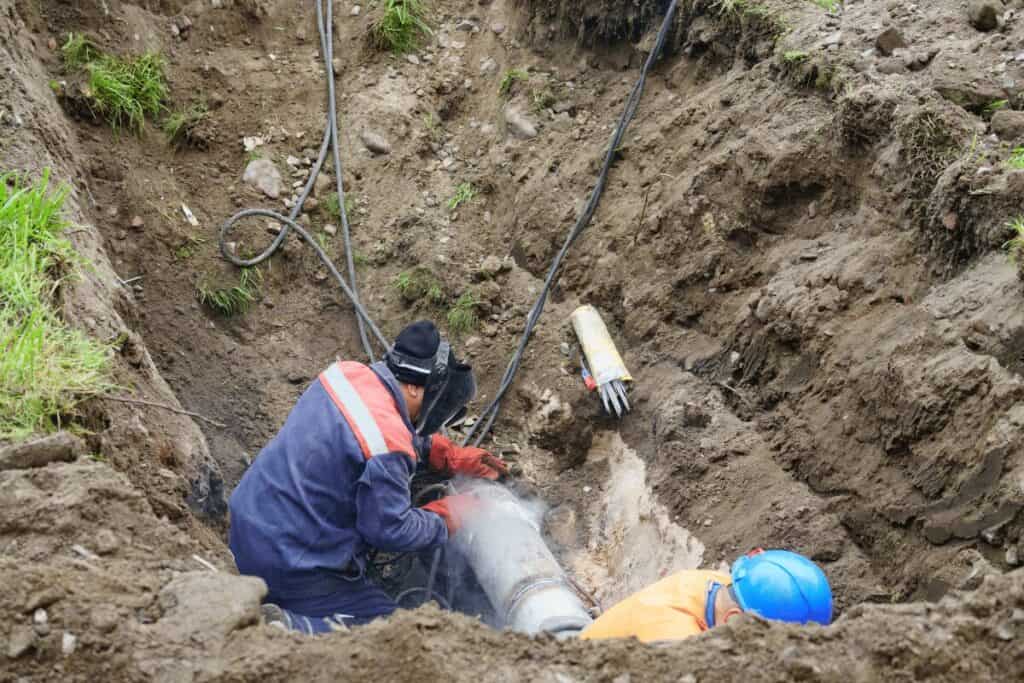
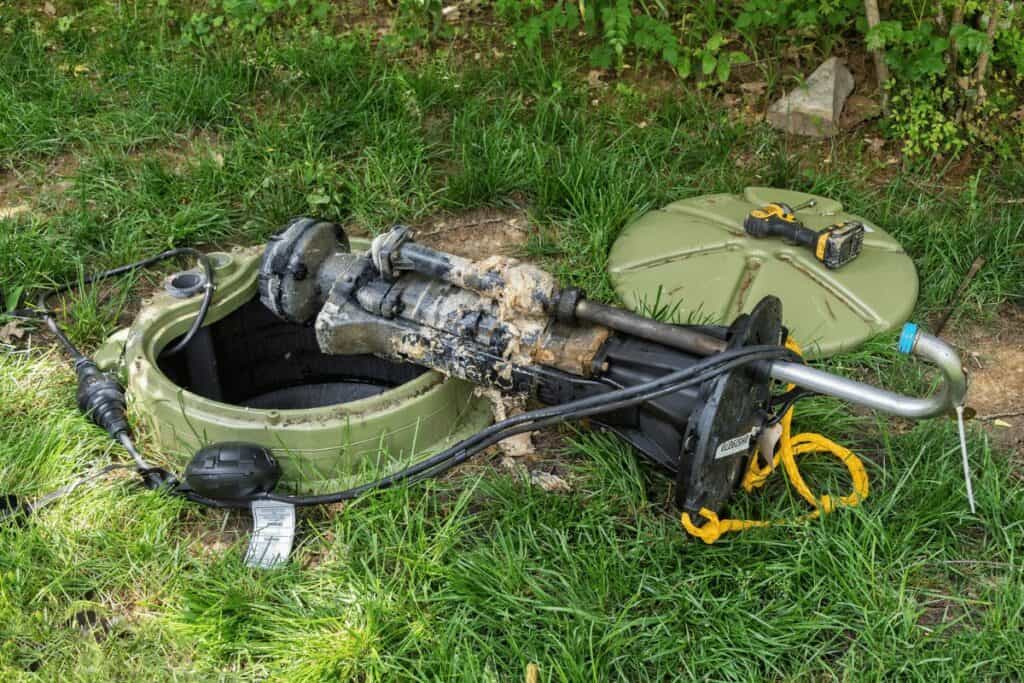
Rural Fairfield County properties face unique drainage challenges. Larger lots mean longer drainage runs and more complex systems. Some properties lack municipal storm sewers requiring on-site water management. Clay soil affects entire county creating universal drainage challenges. We provide comprehensive drainage throughout Fairfield County from small residential systems to large-scale rural property drainage. County-wide experience means we handle diverse situations appropriate for each property’s specific conditions and requirements. Fairfield County property owners throughout region trust our drainage expertise.
French drain installation is our most common Lancaster drainage solution. Professional French drain installation for clay soil involves proper system design accounting for soil characteristics and water volume, excavation to appropriate depth (typically 2-4 feet) reaching below saturation zone, installation of perforated pipe with holes down for maximum water collection, surrounding pipe with clean gravel (not native clay), wrapping system in filter fabric preventing silt intrusion, ensuring adequate slope for drainage (minimum 1% grade), and directing collected water to appropriate discharge point. Clay soil French drains require larger capacity than sandy soil systems—clay generates more runoff and provides no natural drainage backup. Discharge location is critical—water must reach location where it can disperse or enter storm system, not simply move problem elsewhere. Poorly designed French drains in clay soil fail from inadequate capacity, improper grade, or silt infiltration clogging systems. Professional installation ensures French drains function reliably protecting Lancaster properties from clay soil groundwater. French drain investment ($3,000-$8,000 typical) provides permanent drainage solution protecting foundations and basements from water damage.
Effective drainage in Fairfield County clay soil requires proper design accounting for soil limitations. Design considerations include understanding clay cannot absorb water naturally (systems must remove 100% of water, not just assist drainage), sizing systems for runoff volume (clay generates maximum runoff from rain), planning adequate discharge capacity (collected water must go somewhere), ensuring positive drainage grade (systems rely on gravity), and preventing system clogging (silt intrusion failures). Clay soil drainage differs from sandy soil—requires larger capacity, more robust construction, and proper discharge planning. Professional design considers property-specific factors—lot size and slope, existing drainage infrastructure, water volume, and discharge options. We’ve designed hundreds of drainage systems for Lancaster clay soil understanding what works and avoiding common failure modes. Proper design is foundation of successful drainage—poorly designed systems fail regardless of installation quality. Professional drainage design ensures systems function reliably in challenging Fairfield County clay soil conditions. Related property services include excavation services in Lancaster for drainage installation work.
Lancaster drainage solution costs vary based on problem extent and system complexity. General cost ranges include French drain installation $3,000-$8,000 (varies by length, depth, and conditions), yard drainage systems $1,500-$5,000 (depends on yard size and system extent), basement waterproofing $3,000-$10,000+ (interior and/or exterior systems), sump pump installation $800-$2,000 (pump, basin, and piping), and comprehensive drainage combining multiple approaches $5,000-$15,000+. Cost factors include system extent (larger areas cost more), excavation difficulty (obstacles, depth, access), discharge requirements (distance to appropriate discharge point), and site restoration (replacing landscaping, hardscaping). While drainage represents significant investment, costs must be compared to water damage repairs—foundation repairs, basement restoration, and structural work cost far more than preventive drainage. Professional drainage assessment provides detailed estimates after evaluating property and problems. Lancaster homeowners appreciate honest professional recommendations and clear cost information guiding drainage decisions. Sump pump installation is often included in comprehensive basement protection.
Drain Bros provides superior Lancaster drainage solutions through clay soil expertise and professional capabilities. Advantages include specialized Fairfield County clay soil experience understanding unique drainage challenges, comprehensive drainage services from assessment through installation, proper drainage design accounting for clay soil limitations, complete excavation capabilities for drainage installation, French drain expertise specific to clay conditions, professional installation ensuring system longevity, understanding of Lancaster property characteristics and challenges, and honest professional recommendations addressing actual problems appropriately. Lancaster drainage requires experienced professionals who understand clay soil and design systems accordingly. We’ve solved drainage problems throughout Lancaster and Fairfield County earning reputation for quality work and lasting solutions. Choose drainage specialists who know clay soil challenges and provide professional solutions. Related Lancaster services include sewer repair in Lancaster and septic services in Lancaster for comprehensive property solutions.
French drain installation in Lancaster typically costs $3,000-$8,000 depending on length, depth, and site conditions. Average residential French drain around foundation perimeter costs $4,000-$6,000. Costs include excavation, pipe and gravel materials, installation, and site restoration. Clay soil French drains require more robust construction than sandy soil increasing costs slightly. However, proper installation ensures reliable function in clay conditions. Longer drainage runs, deeper excavation, or difficult access increase costs. Professional installation provides lasting drainage solution protecting foundations and basements from water damage—worthwhile investment for Lancaster properties facing clay soil challenges.
Standing water results from Fairfield County’s clay soil preventing drainage. Clay’s fine particles pack tightly with minimal pore space—water cannot percolate into soil so it pools on surface. Low areas collect water creating persistent wet zones. Compacted clay from traffic worsens drainage. Without artificial drainage, clay soil yards remain wet for days after rain. Solutions include yard drainage systems collecting and channeling water away, grading improvements directing surface flow, and French drains lowering overall water table. Professional drainage eliminates standing water making yards functional. Clay soil won’t improve naturally—requires professional drainage solutions moving water mechanically since soil cannot absorb it.
Yes, French drains work in clay soil when properly designed and installed. Clay soil French drains require larger capacity than sandy soil systems, adequate depth reaching below saturation zone, proper grading ensuring drainage, sufficient gravel surrounding pipe, filter fabric preventing silt intrusion, and appropriate discharge location. Improperly designed clay soil French drains fail from inadequate capacity or clogging. Professional installation accounts for clay characteristics ensuring reliable function. French drains are primary clay soil drainage solution—they intercept and remove water that clay cannot absorb naturally. Thousands of Lancaster properties have French drains successfully managing clay soil drainage. Proper design and installation are critical for clay soil success.
Stopping basement water requires comprehensive approach. Solutions include exterior French drains lowering groundwater around foundations, interior drainage systems collecting water before it causes damage, sump pump installation removing collected water, foundation crack repair sealing entry points, and proper grading directing surface water away. Lancaster basement water results from clay soil groundwater pressure—water cannot drain naturally so it pushes against foundations. Effective waterproofing addresses pressure through drainage while managing water intrusion mechanically. Many Lancaster basements need both exterior and interior systems for complete protection. Professional assessment identifies water sources and designs appropriate solutions. Basement waterproofing investment ($3,000-$10,000+) protects homes from water damage and mold.
DIY drainage installation is possible but challenging, especially in clay soil. Challenges include proper drainage design accounting for clay characteristics, excavation effort (clay is difficult to dig), ensuring adequate grade for drainage, proper material selection and installation, and appropriate discharge planning. Improperly installed drainage fails quickly wasting investment. French drains particularly require correct installation—improper grade, inadequate gravel, or poor discharge causes failure. For minor projects (extending downspouts, simple grading), DIY is reasonable. For comprehensive drainage (French drains, basement waterproofing), professional installation ensures reliable function. Professional drainage costs more initially but provides lasting solutions. Failed DIY drainage attempts often require professional correction costing more than professional installation originally. Consider project complexity when deciding DIY versus professional.
French drain discharge depends on property and available options. Common discharge locations include municipal storm sewers (if accessible and permitted), daylight discharge to surface away from property, drainage ditches or swales, dry wells or underground detention (where permitted), and sometimes combination with sump pump discharge. Discharge planning is critical—collected water must reach location where it can disperse without causing problems. Lancaster properties often discharge to street storm sewers. Rural properties may use surface discharge or detention. Discharge must comply with local regulations. Professional drainage design includes appropriate discharge planning ensuring collected water has suitable destination. Poor discharge planning moves problems rather than solving them.
Professional drainage solutions throughout Lancaster and Fairfield County. French drain installation, yard drainage, basement waterproofing. Clay soil drainage experts.
Other Areas: Drainage Solutions in Circleville | Drainage Solutions in Chillicothe