Working Hours

Mon – Sat 8.00 – 18.00

Call us

(+1) 555 234-8765

Working Hours

Mon – Sat 8.00 – 18.00

Call us

(+1) 555 234-8765

Home > Services >  Septic Systems > Aerobic Septic Systems

Professional Aerobic Septic Systems in Central Ohio

Expert Aerobic Treatment Unit Installation & Service Throughout Lancaster, Circleville & Chillicothe

Expert Aerobic Treatment Unit Installation & Service

Aerobic septic systems, also called aerobic treatment units (ATUs), provide advanced wastewater treatment using oxygen-rich processes producing higher quality effluent than conventional septic systems. Aerobic systems enable septic installation on challenging sites with poor soil, small lot sizes, or proximity to sensitive water bodies where conventional systems cannot meet requirements. These advanced systems are also increasingly required by health departments in certain situations for enhanced environmental protection. Drain Bros provides complete aerobic septic system services throughout Central Ohio, including new ATU installation, system maintenance, repairs, and service contracts. As part of our complete septic system services, our aerobic system expertise ensures these advanced treatment systems receive professional installation and ongoing maintenance they require for reliable operation.

Aerobic septic systems differ significantly from conventional systems in treatment process, components, operation, and maintenance requirements. While conventional systems rely primarily on anaerobic bacteria (operating without oxygen) in septic tanks, aerobic systems add oxygen to treatment processes dramatically enhancing bacterial activity and wastewater treatment quality. This enhanced treatment allows smaller drain fields and enables installation on sites unsuitable for conventional systems. However, aerobic systems require more maintenance than conventional systems—mechanical components (air compressors, timers, alarms) need regular service and monitoring. Professional installation and ongoing maintenance are critical for aerobic system performance and longevity. Systems receiving proper professional attention provide decades of reliable service; neglected systems fail prematurely despite advanced technology.

Serving Lancaster, Circleville, Chillicothe, and throughout Fairfield, Pickaway, and Ross Counties, we’ve installed and maintained numerous aerobic septic systems. Our experience includes all major ATU brands, diverse site conditions, and both residential and commercial applications. We understand aerobic system requirements—installation complexity, maintenance necessity, and troubleshooting expertise these advanced systems demand. Whether you need new aerobic system installation for challenging property, maintenance service for existing ATU, or repair of system problems, trust professionals who specialize in advanced treatment technology ensuring aerobic systems operate correctly delivering enhanced wastewater treatment they’re designed to provide.

What Are Aerobic Septic Systems

How Aerobic Systems Work

Aerobic septic systems enhance wastewater treatment by adding oxygen to treatment processes. System operation includes wastewater flowing from house into first chamber where initial settling occurs, transfer to aeration chamber where air compressor injects oxygen, vigorous bacterial activity breaking down organic material in oxygen-rich environment, clarification chamber allowing treated effluent to separate from solids, and discharge of high-quality effluent to drain field or spray irrigation. Oxygen addition is key difference—aerobic bacteria process waste much faster and more completely than anaerobic bacteria in conventional systems. This enhanced treatment produces clearer effluent with lower biochemical oxygen demand (BOD) and suspended solids than conventional tank output. Better quality effluent enables smaller drain fields and reduces environmental impact—critical advantages for challenging sites.

Key Components

Aerobic systems include several specialized components beyond conventional septic tanks. Key components include primary treatment chamber (similar to conventional septic tank for initial settling), aeration chamber (heart of system where oxygen is added and treatment occurs), air compressor or blower (injects air into aeration chamber continuously), clarification chamber (allows treated effluent and solids to separate), effluent pump (moves treated effluent to disposal system), control panel with timer (manages air compressor operation and monitors function), alarm system (alerts to operational problems), and spray heads or drain field (final effluent disposal). Each component serves critical function—system performance depends on all components operating correctly. Mechanical complexity means more can go wrong than conventional systems, making professional maintenance essential for reliable long-term operation.

Treatment Process

Aerobic treatment process achieves superior wastewater treatment through multiple stages. Treatment stages include primary treatment (solids settling in first chamber like conventional septic), aeration/secondary treatment (oxygen addition supporting intensive bacterial breakdown of organic material), clarification (treated effluent separating from biological solids), and disinfection in some systems (chlorination or UV treatment further enhancing effluent quality before discharge). Aeration chamber provides ideal environment for aerobic bacteria—continuous oxygen supply, mixing action distributing bacteria throughout wastewater, and adequate retention time for complete treatment. Well-functioning aerobic systems remove 90%+ of biochemical oxygen demand and suspended solids—significantly better than 30-40% removal in conventional tanks. This enhanced treatment protects drain fields from clogging and reduces environmental impact making aerobic systems suitable for challenging sites and sensitive locations where conventional systems don’t provide adequate treatment.

Aerobic vs. Conventional Septic Systems

Treatment Differences

Aerobic and conventional systems differ fundamentally in treatment approach. Conventional systems rely on anaerobic bacteria in tanks breaking down waste slowly without oxygen—primary purpose is solids settling, not intensive treatment. Drain fields provide actual treatment through soil filtration. Aerobic systems use oxygen-rich processes dramatically accelerating bacterial activity and achieving much higher treatment levels before effluent reaches drain fields. Treatment comparison includes conventional systems removing 30-40% of BOD/suspended solids in tank, aerobic systems removing 90%+ through intensive aeration treatment, conventional effluent still containing significant organic material and nutrients, and aerobic effluent much clearer with lower pollutant levels. Enhanced treatment is aerobic systems’ primary advantage—better quality effluent reduces drain field stress, enables smaller fields, and provides environmental protection conventional systems cannot match. This treatment difference justifies higher costs and maintenance requirements for sites requiring advanced treatment.

Performance Comparison

System performance comparison reveals aerobic advantages and tradeoffs. Performance factors include effluent quality (aerobic vastly superior), drain field size requirements (aerobic needs 50-75% smaller fields than conventional), installation cost (aerobic $12,000-$20,000+ versus conventional $8,000-$12,000), operating costs (aerobic electrical costs $10-$20/month for air compressor), maintenance requirements (aerobic needs service 2-4 times yearly versus conventional 3-5 year pumping), and complexity (aerobic has mechanical/electrical components versus conventional purely passive operation). Aerobic systems excel in treatment quality and space efficiency but cost more initially and ongoing. Site conditions often dictate choice—where soil quality and lot size permit, conventional systems provide reliable economical treatment; where conditions are challenging, aerobic systems enable septic installation that conventional systems cannot. Neither system type is universally superior—appropriate choice depends on specific site conditions, requirements, and owner preferences.

When Aerobic Systems Are Required

Some situations mandate or strongly favor aerobic system use. Aerobic requirements include health department regulations requiring advanced treatment in sensitive areas (near lakes, streams, wells), poor soil conditions preventing adequate conventional treatment (very slow percolation, shallow bedrock, high water table), small lot sizes insufficient for conventional drain field areas, property replacement where original conventional system failed (aerobic upgrade may be required), and voluntary upgrades for enhanced environmental protection or future-proofing properties. Regulatory requirements vary by jurisdiction—some health departments require aerobic systems within certain distances of water bodies or for certain soil types. Others allow conventional systems broadly but aerobic as alternative for marginal sites. Property owners don’t typically choose aerobic systems purely by preference given higher costs—usually site conditions, regulations, or constraints necessitate advanced treatment. See our septic installation services for comprehensive new system options.

When Aerobic Systems Are Needed

Drain Bros llc installing a drainage system at a construction site, showing progress in plumbing and excavation work.

Poor Soil Conditions

Aerobic systems enable septic installation on sites with soil unsuitable for conventional systems. Soil challenges include very slow percolation rates (clay soil) preventing adequate conventional drain field function, shallow depth to bedrock or hardpan limiting drain field depth, compacted soil with poor structure preventing drainage, and soil with poor filtration characteristics. Conventional systems require soil absorbing effluent and providing treatment through filtration—poor soil cannot provide adequate treatment or absorption. Aerobic systems produce much higher quality effluent requiring less soil treatment and enabling smaller drain fields that marginal soil might accommodate. While aerobic systems don't eliminate need for functional drain fields, pre-treatment enhancement allows installation on sites where conventional systems would fail quickly. Combined with alternative drain field designs (pressure distribution, mound systems), aerobic treatment enables septic on many challenging sites.
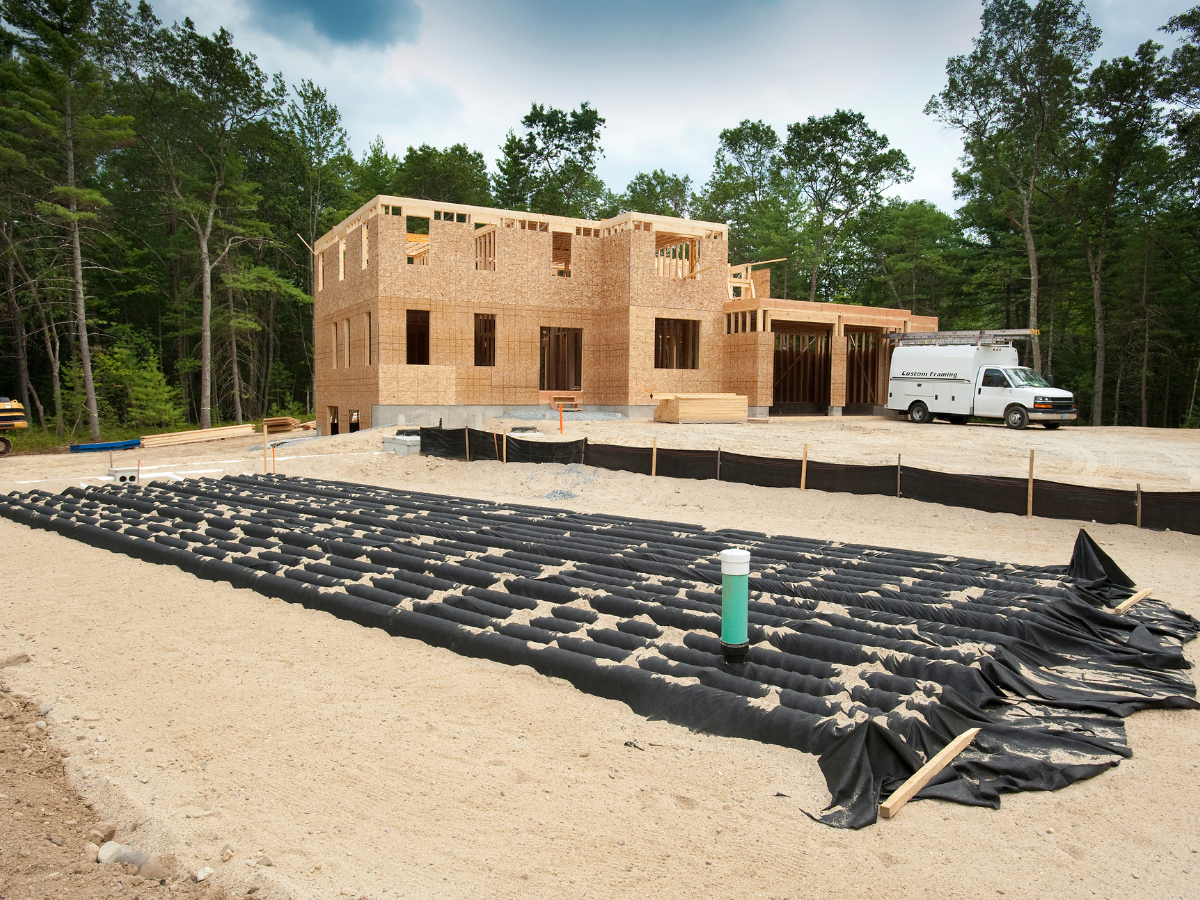
Drain Bros llc installing a drainage system at a new house build, using pipes and black sheeting on the sandy ground.

Small Property Size

Aerobic systems' smaller drain field requirements make them suitable for properties too small for conventional systems. Space constraints include small residential lots (under 1/2 acre) common in suburban developments, properties with limited usable area due to slopes, wetlands, or other features, and sites needing compact systems preserving space for other uses. Conventional systems typically require 500-1,000+ square feet of drain field area plus equal reserve area for future replacement. Aerobic systems can function with 50-75% less drain field—maybe 300-500 square feet primary field. This space savings makes septic feasible on smaller properties where conventional systems won't fit within required setbacks from wells, property lines, and structures. Small lot septic installation through aerobic technology enables development where conventional systems cannot meet spacing requirements within available property area.
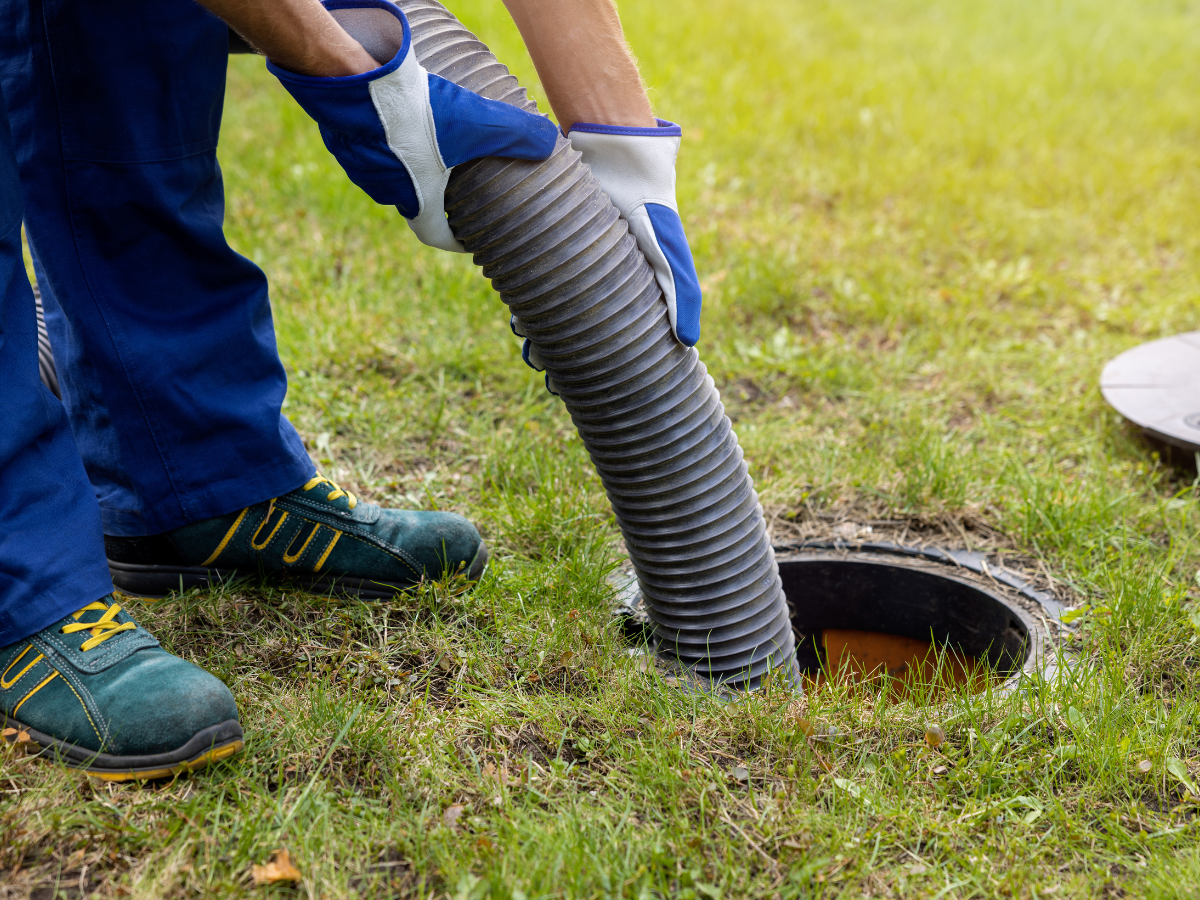
Drain Bros llc employee works on a septic tank, showing expert help for outdoor sewer or septic system needs.

Environmental Protection Requirements

Aerobic systems provide enhanced environmental protection through superior treatment. Protection situations include properties near lakes, streams, or other surface water where conventional effluent quality raises contamination concerns, locations over sensitive groundwater recharge areas, properties within wellhead protection zones, and areas where nutrient loading (nitrogen, phosphorus) is environmental concern. Aerobic treatment produces effluent with significantly lower BOD, suspended solids, and pathogens than conventional systems—enhanced quality protects receiving waters from contamination. Some health departments mandate aerobic systems or other advanced treatment in environmentally sensitive locations recognizing conventional systems' treatment limitations. Property owners in critical areas might choose aerobic systems voluntarily for superior environmental protection even when not strictly required. Enhanced treatment justifies higher aerobic system costs for sites where water quality protection is paramount concern.
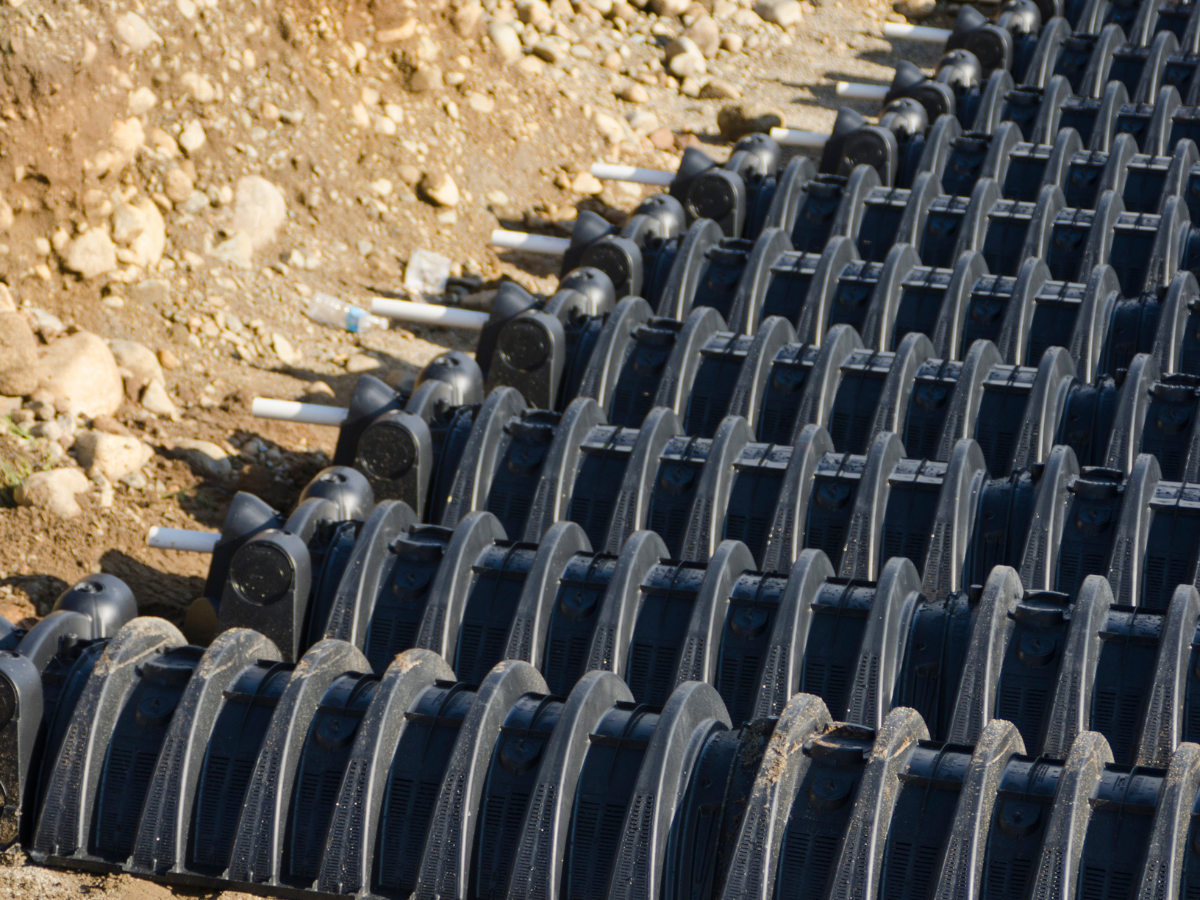
Drain Bros llc installs underground systems for stormwater or septic needs during home excavation projects.

Failed Conventional System Replacement

Replacing failed conventional systems sometimes requires or benefits from aerobic upgrades. Replacement situations include original system failures indicating marginal site suitability, health department requirement for advanced treatment on replacement (regulations evolving toward stricter standards), inadequate reserve field area for conventional replacement, and opportunity for improved environmental protection through upgrade. When conventional systems fail, health departments review replacement designs carefully—sites barely suitable for conventional systems originally may require aerobic systems for replacement reflecting evolved understanding of treatment needs. Failed system replacement provides opportunity reassessing property septic capacity and implementing superior technology. While aerobic replacement costs more than conventional ($12,000-$20,000+ versus $10,000-$15,000), enhanced treatment and smaller space requirements justify investment for challenging sites. See our drain field services for comprehensive replacement options.

Our Aerobic System Services

Drain Bros llc provides home drainage solutions, showing how a yard is improved with expert excavation and system installation.

New Installation

Professional aerobic system installation ensures reliable long-term operation. Installation includes comprehensive site evaluation determining system appropriateness, system design selecting proper ATU size and type for household needs, obtaining health department permits specific to aerobic systems, complete professional installation of all system components, electrical work connecting power to compressors and controls, startup service initializing bacterial activity and verifying operation, and homeowner training on system operation and maintenance requirements. Installation complexity exceeds conventional systems—electrical connections, mechanical component installation, and control system setup require specialized knowledge. Quality installation is critical—properly installed aerobic systems provide decades of service; poor installation causes premature failures. We handle complete installation from design through startup ensuring systems function correctly from day one.

Repair & Maintenance

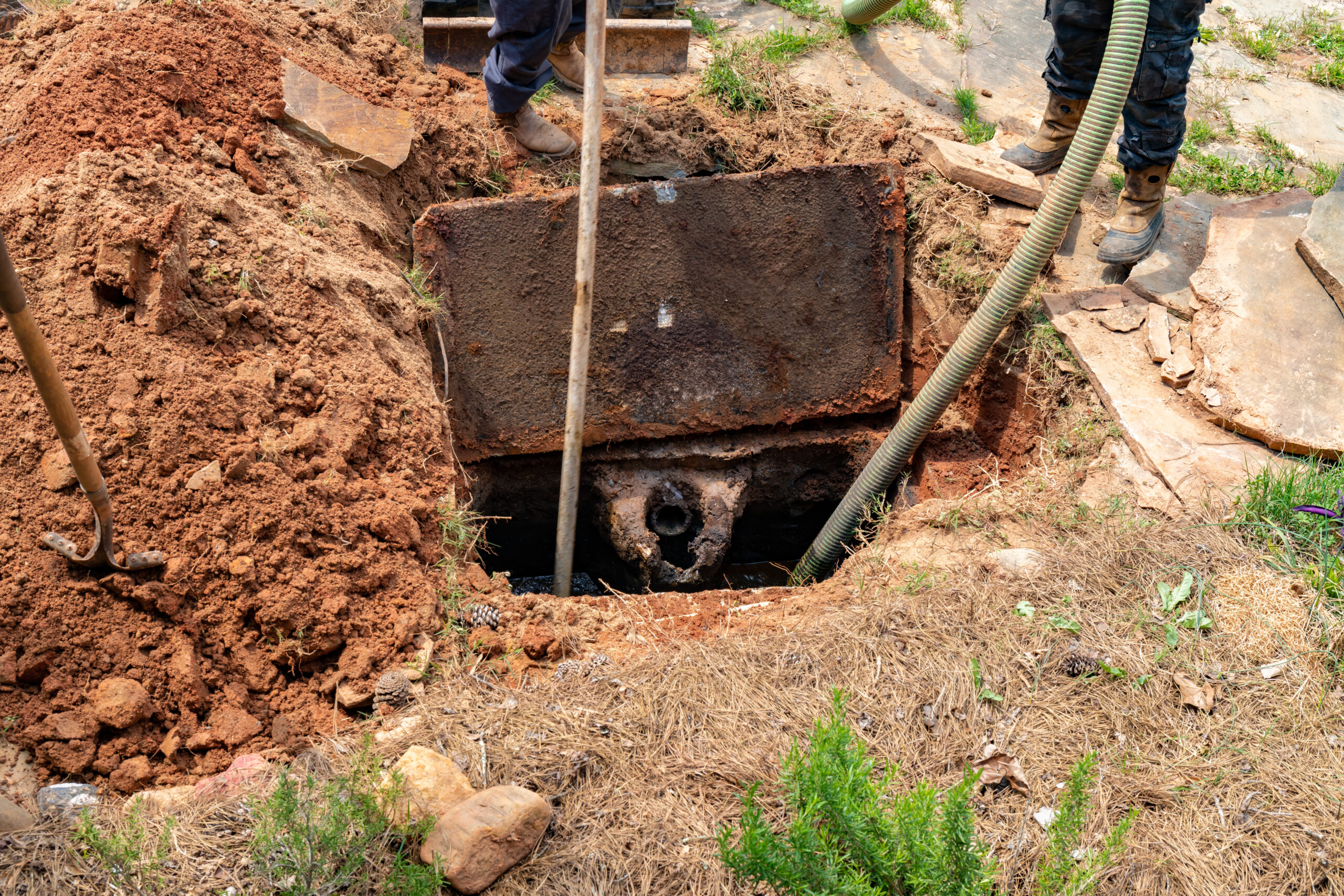
Aerobic systems require regular professional maintenance and occasional repairs. Maintenance and repair services include routine service (2-4 times yearly) checking all components, air compressor maintenance ensuring adequate aeration, alarm system testing verifying operational monitoring, tank pumping removing accumulated solids, component repairs replacing failed parts, control system troubleshooting addressing operational issues, and emergency repairs for system failures. Maintenance is not optional for aerobic systems—neglected systems fail rapidly. Regular professional service catches problems early, optimizes performance, and extends system life. Many health departments require maintenance contracts for aerobic systems ensuring proper attention. We provide comprehensive maintenance programs and prompt repair service keeping aerobic systems operating reliably. See our septic repair services for all system repair needs.

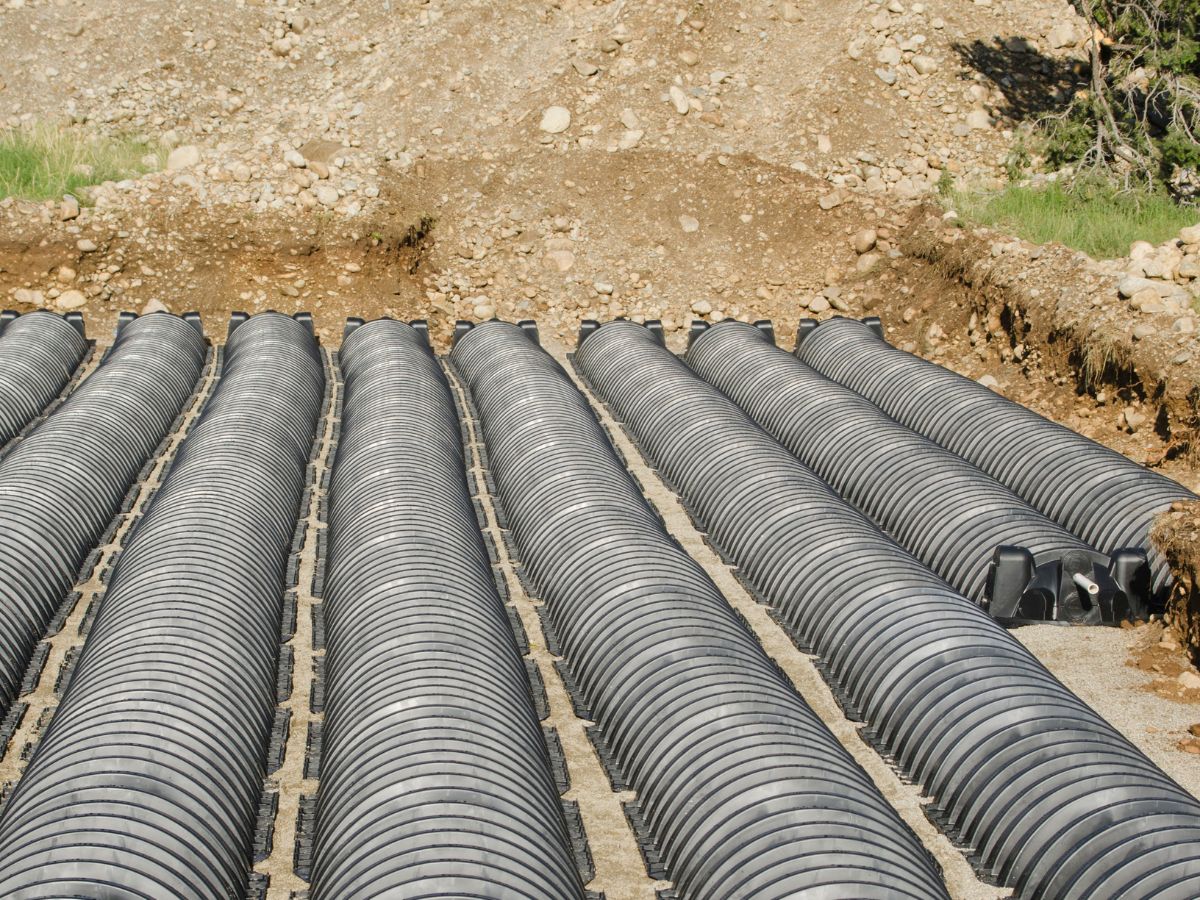
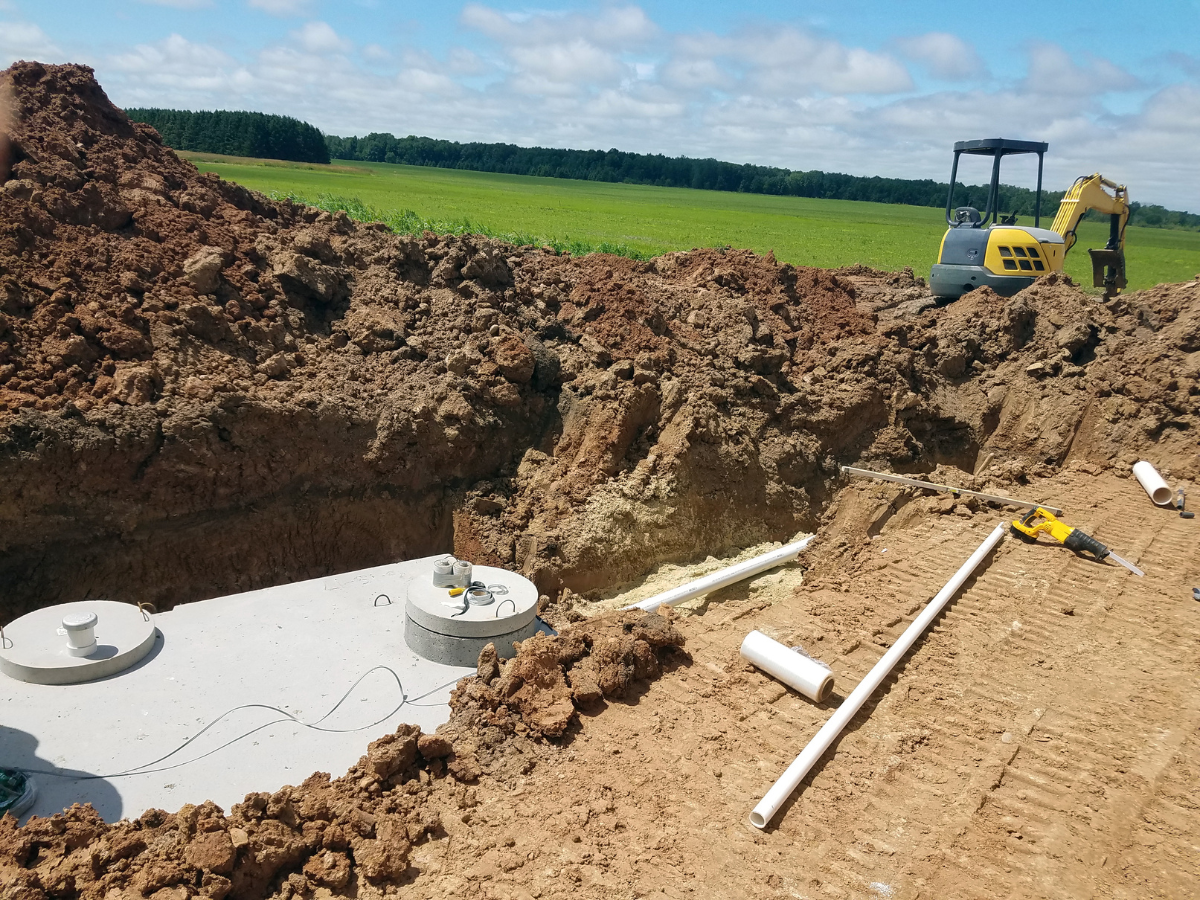
Drain Bros llc installs a new septic system in the country, with equipment and plumbing work visible near open land.
Drain Bros llc installs a drainage system using a backhoe, showing clear work progress on site.

System Upgrades

Existing conventional systems can sometimes be upgraded with aerobic treatment. Upgrade situations include failing conventional systems on challenging sites, voluntary enhancement for improved environmental protection, regulatory requirements changing demanding advanced treatment, and capacity expansion for household additions. Upgrades typically involve installing aerobic treatment unit between existing tank and drain field—existing tank becomes primary settling chamber while new ATU provides aeration treatment. Upgrades cost less than complete new systems ($8,000-$15,000 typical) but require compatible existing components and adequate remaining drain field life. Upgrades benefit properties with functional drain fields but aging tanks or desire for enhanced treatment. Professional evaluation determines upgrade feasibility—not all existing systems are suitable upgrade candidates but many can benefit from aerobic enhancement.

Emergency Service

Aerobic system failures require prompt professional attention. Emergency situations include air compressor failures stopping treatment processes, alarm systems indicating operational problems, electrical issues preventing system operation, sewage backups from system malfunctions, and component failures disrupting treatment. Aerobic system emergencies are serious—mechanical failures stop treatment processes unlike passive conventional systems. Quick response prevents untreated wastewater discharge and property damage. We provide emergency service for aerobic systems responding promptly to restore operation. Emergency service includes temporary measures providing immediate relief, diagnosis of failure causes, and implementation of permanent repairs. Maintenance contract customers receive priority emergency response. When aerobic systems fail, professional emergency service is critical restoring treatment function and preventing environmental or property damage from untreated wastewater release.

Drain Bros llc helps install septic systems, using heavy equipment for safe digging and concrete placement in homes.

Aerobic System Installation Process

STEP 1:

Site Evaluation

Aerobic installation begins with comprehensive site evaluation. Evaluation determines site suitability for aerobic systems, identifies specific site constraints requiring advanced treatment, assesses soil conditions through testing (percolation tests, deep holes), evaluates lot size and configuration affecting component placement, identifies setback limitations from wells, property lines, and water bodies, assesses electrical power availability for system components, and determines appropriate system type and size for property needs. Site evaluation confirms aerobic system appropriateness—ensures site requires or benefits from advanced treatment justifying higher costs. Evaluation also reveals site-specific design considerations affecting system configuration. Professional site evaluation provides foundation for successful aerobic installation matched to actual property conditions and requirements rather than generic designs.

STEP 2:

System Design & Permitting

Professional aerobic system design matches treatment technology to site needs and obtains required permits. Design process includes selecting appropriate ATU type and brand for application, sizing system for household wastewater flows, designing drain field or spray irrigation for effluent disposal, planning electrical connections and controls, providing reserve disposal area for future needs, and preparing detailed plans for health department review. Aerobic system permits require specialized documentation beyond conventional permits—treatment performance specifications, maintenance plans, and sometimes discharge quality monitoring. Health departments scrutinize aerobic designs carefully ensuring systems will provide claimed treatment levels. Permit process typically takes 3-6 weeks. We handle complete design and permitting navigating health department requirements specific to advanced treatment systems ensuring approval before installation begins.

STEP 3:

Professional Installation

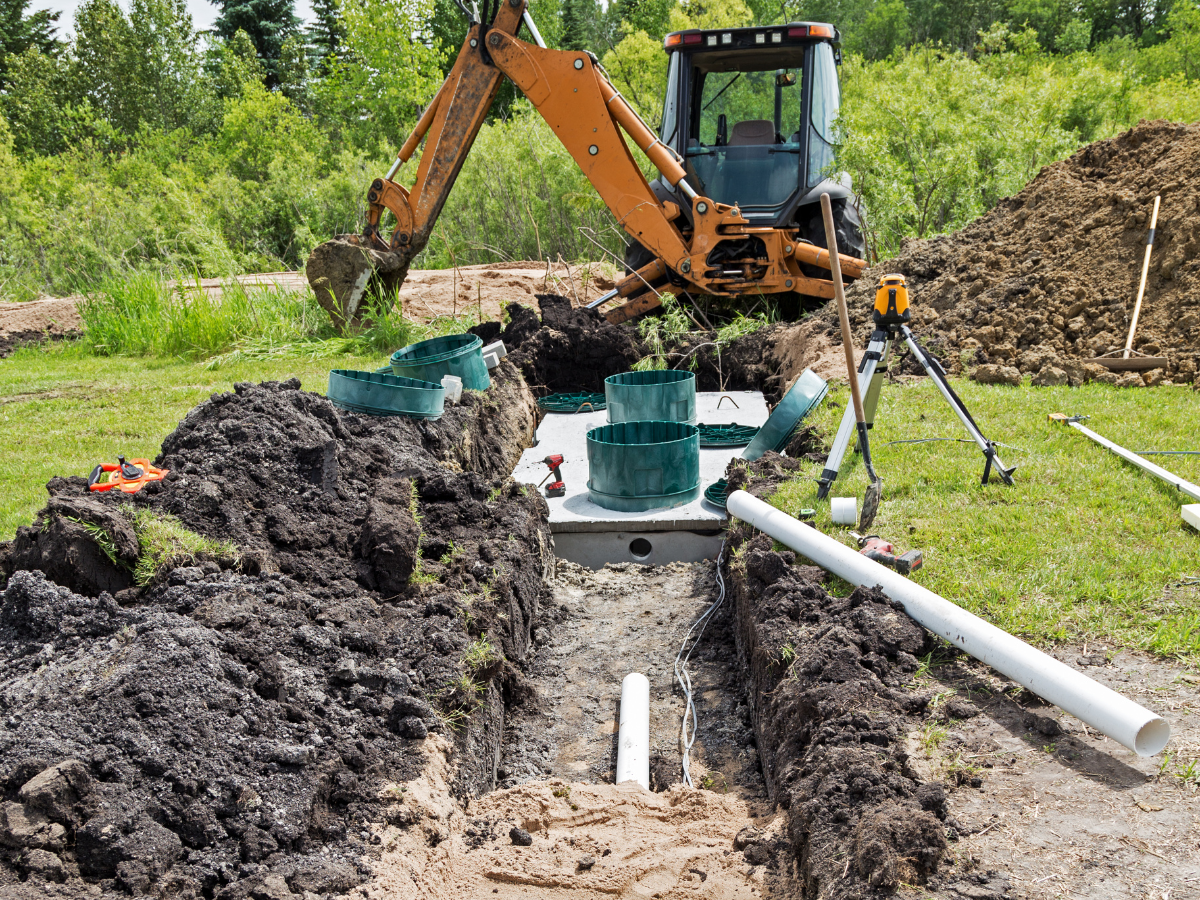
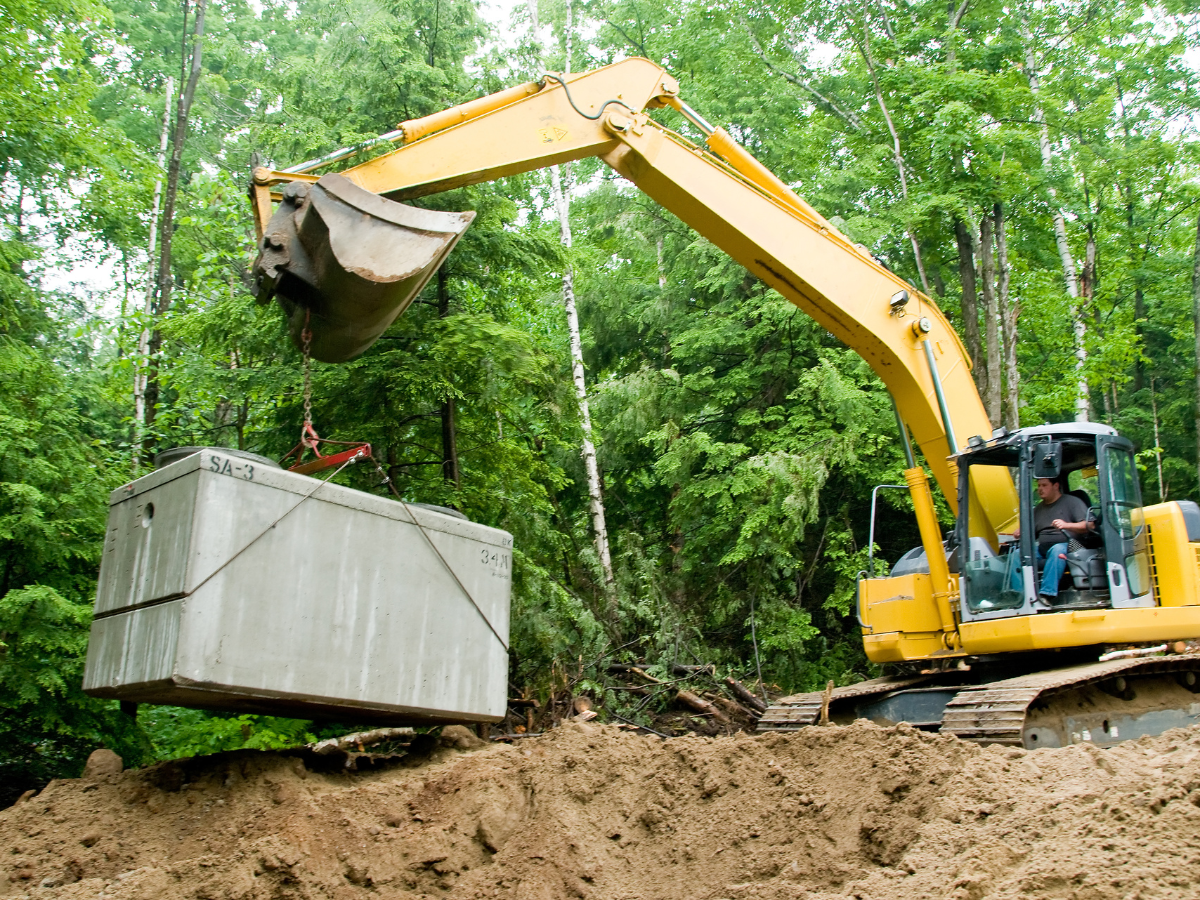
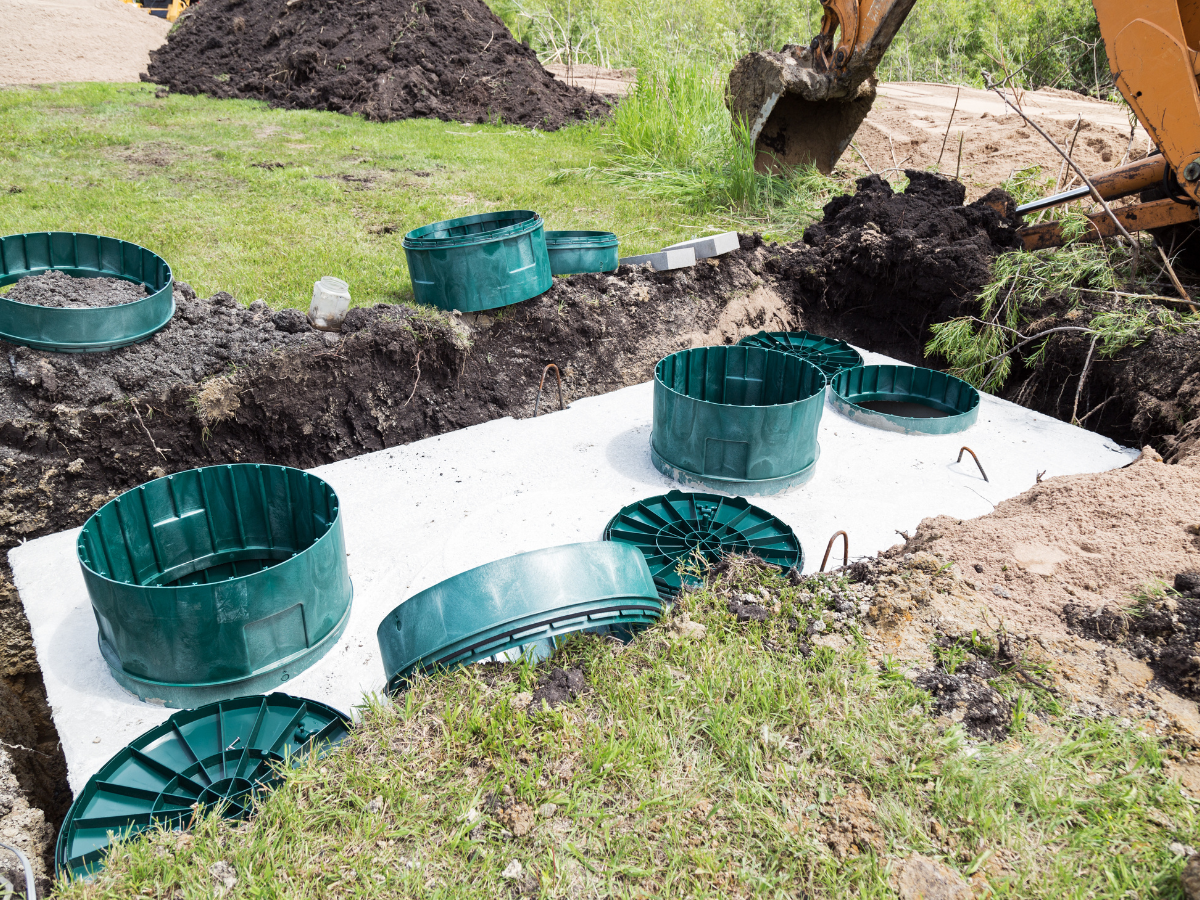
Quality aerobic installation requires specialized expertise beyond conventional system installation. Installation includes precision excavation for all system components, setting and leveling treatment tanks properly, installing aeration equipment per manufacturer specifications, making electrical connections to power compressors and controls, installing effluent pumps and disposal systems, setting up control panels and alarm systems, making all piping connections correctly, backfilling and surface restoration, and testing all components verify proper operation. Our excavation services provide expert site preparation for aerobic installations. Installation quality critically affects system performance—electrical connections must be correct, mechanical components properly installed, and all specifications followed precisely. Poor installation causes failures regardless of equipment quality. Professional installation ensures systems work correctly providing reliable wastewater treatment for decades.

STEP 4:

Testing & Startup

Professional startup service initializes aerobic system operation. Startup includes adding bacterial seed cultures starting treatment processes, verifying air compressor operation and adequate aeration, testing control systems and timers ensuring proper cycling, verifying alarm system function, checking all electrical connections and components, operating system through cycles confirming proper function, providing homeowner training on operation and maintenance, and scheduling initial maintenance service. Startup is critical transition from installation to operation—systems must begin treating wastewater properly from first use. Professional startup ensures all components function correctly and homeowners understand operation requirements. We provide complete startup service including homeowner education and follow-up ensuring smooth transition to reliable operation. Initial maintenance visit after 30-60 days verifies proper operation and addresses any adjustment needs.

Aerobic System Maintenance

Required Maintenance Schedule

Aerobic systems require regular professional maintenance for reliable operation. Maintenance frequency includes service visits 2-4 times yearly checking all components, tank pumping typically annually (more frequently than conventional systems), air compressor inspection and service with each visit, control system testing ensuring proper operation, and alarm system verification confirming monitoring function. Maintenance is not optional—health departments often require maintenance contracts for aerobic system permits. Neglected aerobic systems fail rapidly—mechanical components break, treatment processes fail, and systems discharge untreated wastewater. Regular maintenance prevents failures, optimizes treatment performance, and extends system life. Well-maintained aerobic systems provide 20-25 years of reliable service; neglected systems fail within 5-10 years despite advanced technology. Investment in regular professional maintenance protects expensive aerobic system investment.

Service Contracts

Aerobic system service contracts provide scheduled professional maintenance. Contract benefits include scheduled regular service visits (2-4 times yearly), priority emergency service for contract customers, comprehensive component inspection and maintenance, service records documentation, parts and labor coverage (comprehensive contracts), and compliance with health department maintenance requirements. Service contracts cost $300-$800 annually depending on coverage level—basic contracts provide scheduled service visits; comprehensive contracts include parts and emergency service. Contracts provide peace of mind that systems receive necessary attention and immediate support when problems occur. Many property owners find contracts valuable—aerobic maintenance requirements make professional service essential, and contracts ensure consistent appropriate attention. We offer comprehensive service contract programs tailored to aerobic system needs providing reliable ongoing maintenance and support.

Air Compressor Care

Air compressors are critical aerobic system components requiring special attention. Compressor maintenance includes checking operation during each service visit, inspecting air filters and replacing as needed, checking diaphragms or pistons for wear, verifying adequate air output to aeration chamber, listening for abnormal sounds indicating problems, and replacing compressors when necessary (typical 3-5 year lifespan). Compressor failures stop aerobic treatment processes—without oxygen, systems revert to anaerobic operation producing poor quality effluent. Failed compressors require prompt replacement ($300-$800 typical). Regular inspection catches developing compressor problems before complete failures. Proper maintenance extends compressor life and ensures consistent aeration supporting optimal treatment performance. Compressor care is critical aerobic maintenance component—without functioning aeration, systems cannot provide advanced treatment they're designed to deliver.

Alarm System Monitoring

Alarm systems alert to operational problems requiring attention. Alarm system functions include monitoring air compressor operation (alerts if compressor fails), monitoring effluent pump operation (alerts if pump fails), detecting high water levels indicating problems, and providing visual/audible alerts to homeowners. Alarm activation requires prompt professional response—indicates problems preventing proper system operation. Common alarm causes include compressor failures, pump failures, electrical issues, or system overloads. When alarms activate, call for service immediately—continuing system use without operational treatment processes causes problems. Alarm system testing during maintenance visits verifies proper monitoring function. See our septic pumping services for comprehensive maintenance including alarm testing. Well-functioning alarms provide early warning of problems allowing prompt intervention before minor issues become major failures.

Benefits of Aerobic Systems

Enhanced Treatment Quality

Aerobic systems provide vastly superior wastewater treatment compared to conventional systems. Treatment benefits include 90%+ removal of biochemical oxygen demand (BOD) versus 30-40% conventional, 90%+ removal of suspended solids versus 30-40% conventional, significant reduction in pathogens and bacteria, reduced nutrient loading (nitrogen, phosphorus), and clearer effluent with lower environmental impact. Enhanced treatment protects receiving environments—groundwater, surface water, and surrounding property areas. Superior treatment also protects drain fields from clogging—higher quality effluent reduces biomat development extending field life. For environmentally sensitive sites, enhanced treatment is critical benefit justifying aerobic system costs. Properties near water bodies, in wellhead protection zones, or other sensitive areas benefit substantially from advanced treatment protecting water quality and reducing environmental impact from wastewater disposal.

Drain Bros llc works on a drainage system, showing active construction with new septic tanks being installed.

Smaller Drain Field Requirements

Aerobic treatment enables significantly smaller drain fields than conventional systems. Space-saving benefits include drain fields 50-75% smaller than conventional requirements, compact systems fitting on small properties, preservation of usable yard space, and potential cost savings from smaller field excavation and materials. Smaller drain field requirements result from enhanced treatment quality—better effluent requires less soil treatment and absorption capacity. For space-constrained properties, this benefit is critical—enables septic installation where conventional drain field area requirements cannot be met within available property area and required setbacks. Smaller footprint also benefits property aesthetics and usability preserving more space for landscaping, recreation, or other purposes. Combined with enhanced treatment, space efficiency makes aerobic systems excellent solutions for challenging small-lot situations.

Drain Bros llc workers handle septic tank maintenance, showing expertise in fixing drainage systems safely and efficiently.

Environmental Protection

Aerobic systems provide superior environmental protection through advanced treatment. Environmental benefits include dramatically reduced pollutant discharge to groundwater and surface water, protection of sensitive receiving waters (lakes, streams, wetlands), reduced nutrient loading preventing eutrophication, lower pathogen release protecting public health, and compliance with stringent environmental regulations in sensitive areas. Enhanced environmental protection benefits entire community—properly functioning aerobic systems contribute less pollution than conventional systems. For property owners, environmental responsibility is increasing priority—aerobic systems align with sustainability values while meeting regulatory requirements. Properties in ecologically sensitive areas particularly benefit from advanced treatment minimizing environmental footprint of wastewater disposal. While aerobic systems cost more initially and require more maintenance, environmental protection benefits justify investment for sites where water quality protection is important consideration.

Drain Bros llc workers put a manhole cover in place, showing teamwork and skill in utility installation.

Aerobic System Cost

Installation Costs

Aerobic system installation costs more than conventional systems. Installation cost ranges:

  • Basic residential aerobic system: $12,000-$16,000
  • Complete ATU installation with drain field: $15,000-$20,000
  • Systems with spray irrigation: $18,000-$25,000
  • Aerobic upgrade to existing system: $8,000-$15,000
  • Commercial or complex systems: $20,000-$40,000+

Costs include site evaluation, system design, permits, ATU equipment, installation, electrical work, disposal system, startup, and homeowner training. Advanced treatment technology and additional components (compressors, controls, pumps) increase costs versus conventional systems. However, smaller drain fields partially offset higher equipment costs. Installation investment provides decades of enhanced treatment justifying premium over conventional systems for sites requiring advanced treatment.

Operating Costs

Aerobic systems have ongoing operating costs beyond conventional systems. Operating costs include:

  • Electrical costs: $10-$20/month for air compressor operation
  • Maintenance service contracts: $300-$800/year
  • Tank pumping: $300-$500 annually
  • Component replacements: Air compressors $300-$800 every 3-5 years
  • Repair costs: Variable, $200-$1,500 for typical repairs

Total operating costs typically run $600-$1,200+ annually—significantly more than conventional systems (typically $100-$200 annually). Operating costs are tradeoff for enhanced treatment and suitability for challenging sites. Budget for ongoing costs when considering aerobic systems—lifetime costs exceed conventional systems substantially. However, for sites requiring advanced treatment, aerobic systems enable septic installation where conventional systems cannot function adequately.

Value Proposition

Aerobic system value depends on specific situation. Value considerations include enabling septic installation on sites unsuitable for conventional systems (invaluable for otherwise unbuildable properties), superior environmental protection for sensitive sites, compliance with regulatory requirements mandating advanced treatment, smaller space requirements for compact properties, and potential property value enhancement from advanced treatment system. For sites requiring aerobic systems, value is clear—enables property development or use otherwise impossible. For sites where conventional systems would work, aerobic systems are harder to justify purely economically given higher costs. However, environmental benefits, future-proofing against evolving regulations, and personal values favoring advanced treatment provide non-monetary value. Professional assessment determines whether site conditions justify or require aerobic system investment versus conventional alternatives.

Local Aerobic Septic Services

Lancaster ATU Installation

Lancaster and Fairfield County properties with challenging site conditions benefit from our aerobic system expertise. We’ve installed aerobic treatment units throughout Lancaster on small lots and marginal soil sites. Our Fairfield County experience ensures proper ATU installation and maintenance. Trust our aerobic septic systems in Lancaster for advanced treatment solutions.

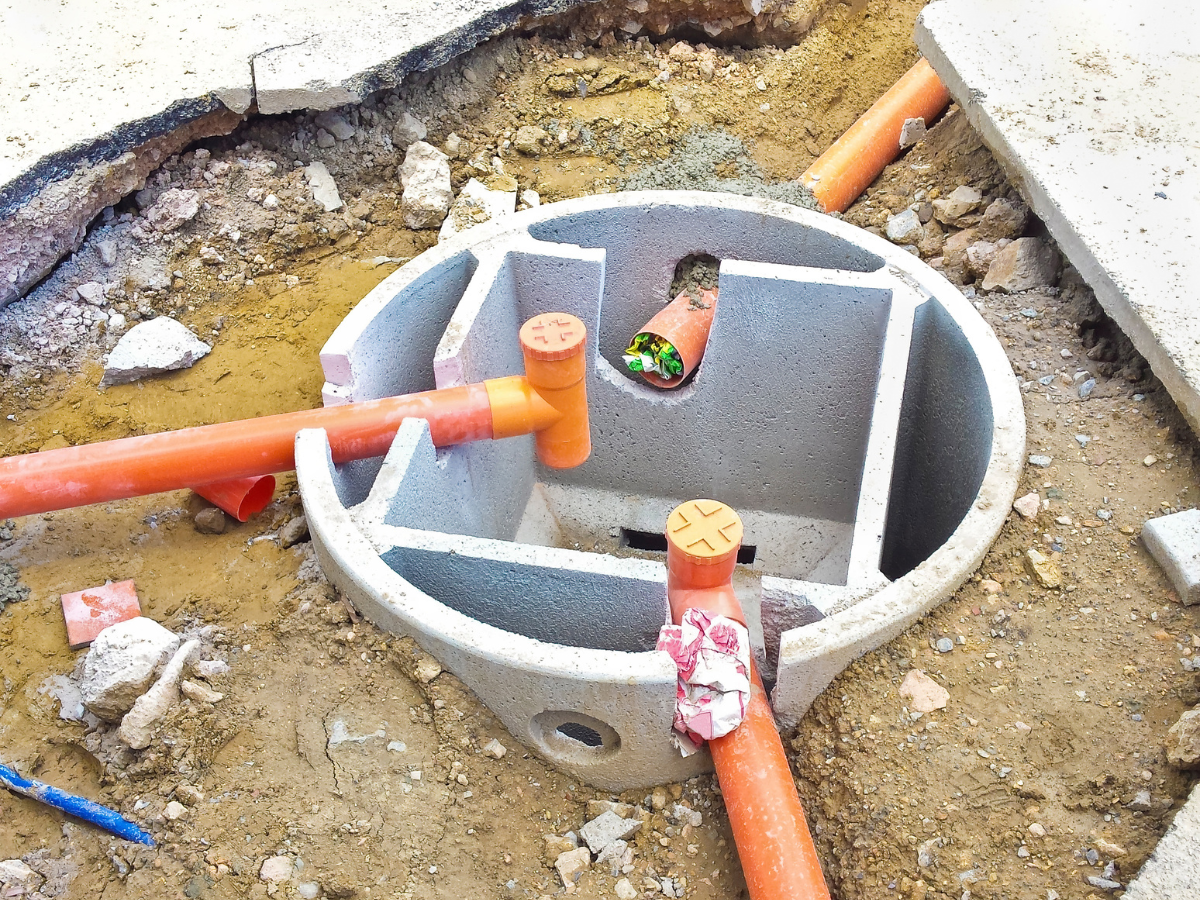
Drain Bros llc installs drainage chambers to fix sewer line issues or upgrade septic systems for better water flow and safety.

Circleville Aerobic Systems

Circleville and Pickaway County receive professional aerobic system services from our experienced team. We’ve handled ATU installations and maintenance throughout Circleville for diverse applications. Our Pickaway County knowledge ensures appropriate aerobic solutions. Choose our ATU installation in Circleville for expert advanced treatment.

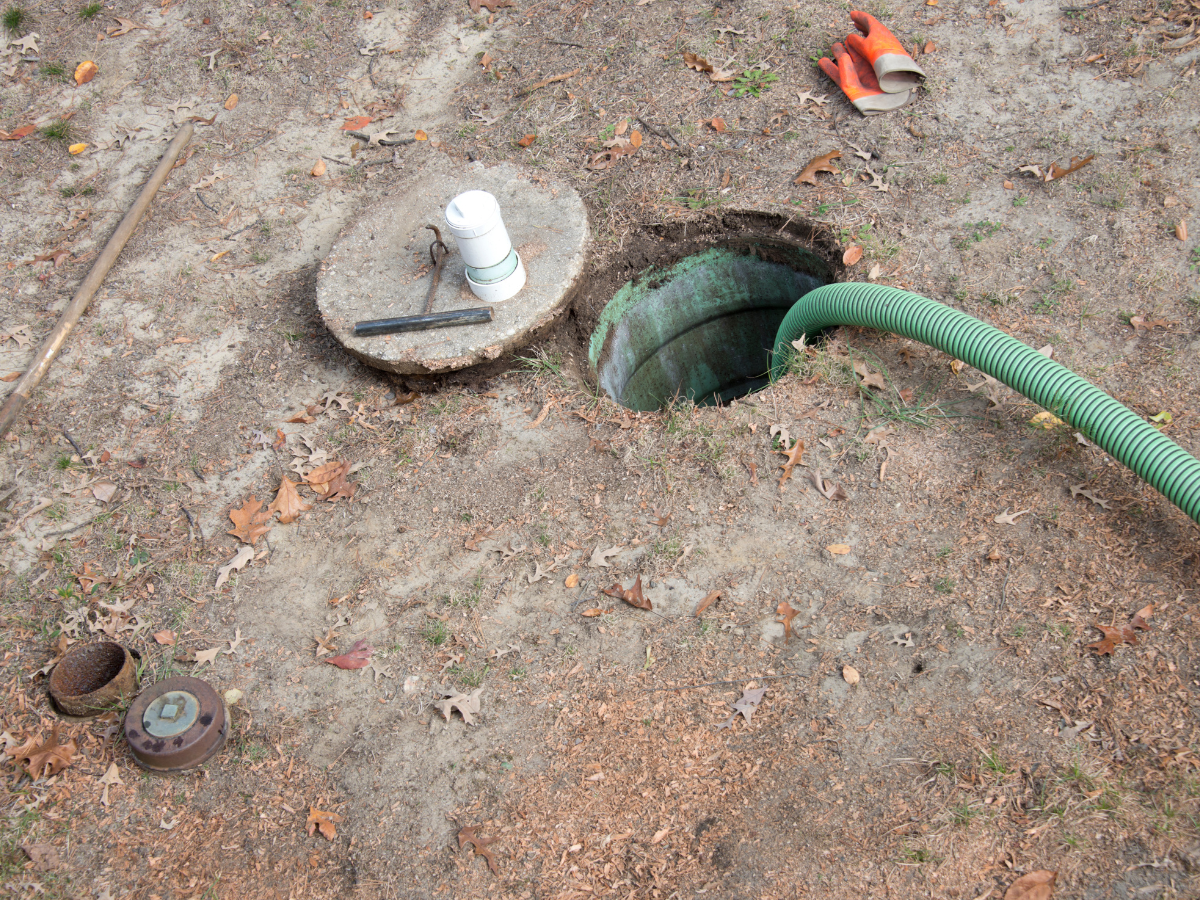
Drain Bros llc cleaning a septic tank, using equipment and tools for plumbing service and maintenance work.

Chillicothe Advanced Treatment

Chillicothe and Ross County aerobic system installation and service receives professional attention from our specialists. We’ve provided aerobic treatment solutions throughout Chillicothe for challenging sites. Count on our aerobic treatment in Chillicothe for expert ATU service.

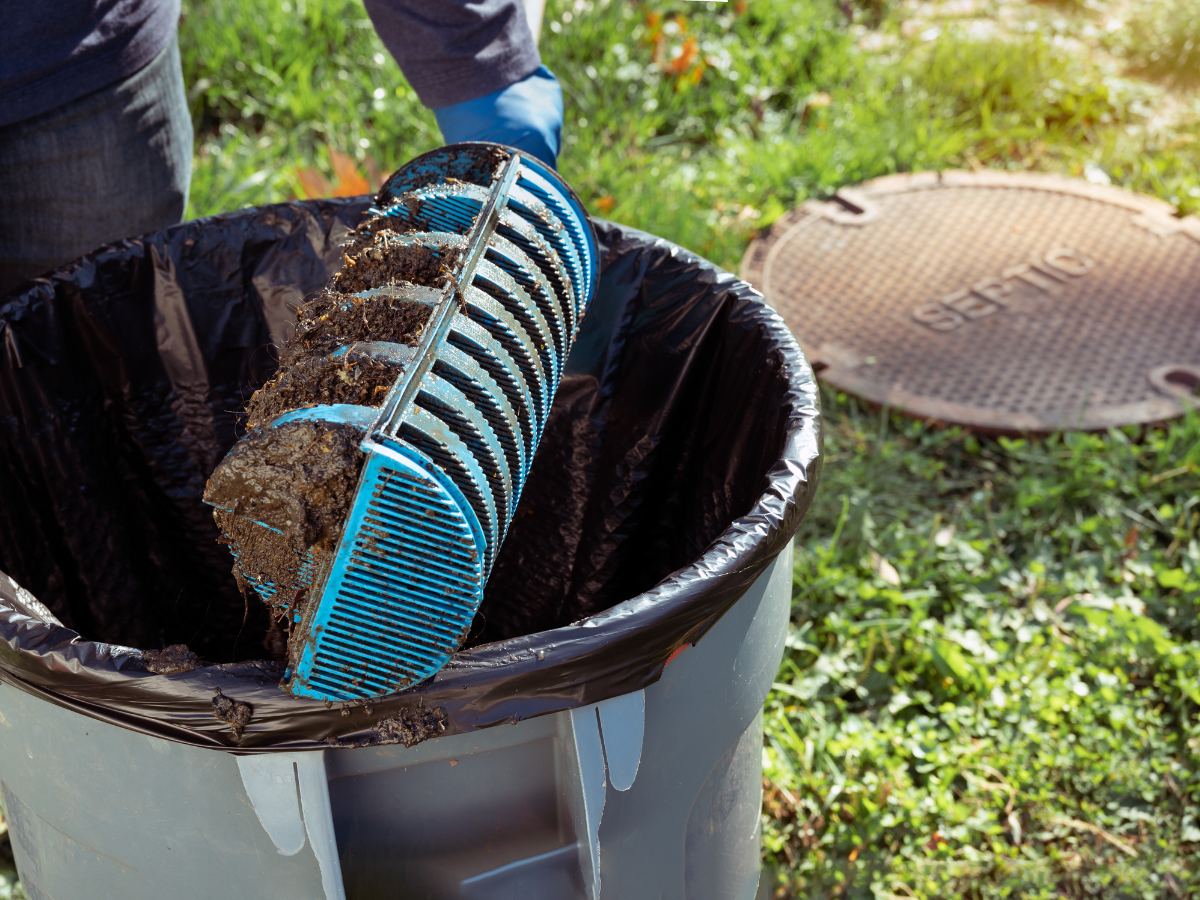
Drain Bros llc shows easy storm drain cleaning, helping prevent sewer issues by clearing debris and keeping drains clear.

Common Aerobic System Problems

Aerobic systems experience problems requiring professional attention. Common issues include air compressor failures (most common problem—compressors wear out requiring replacement every 3-5 years), alarm activations indicating operational problems, effluent pump failures preventing disposal, control system malfunctions disrupting operation, clogged air diffusers reducing aeration efficiency, excessive solids buildup from inadequate pumping, and electrical problems affecting components. Most problems result from inadequate maintenance—neglected aerobic systems fail rapidly. Regular professional service prevents most problems through early detection and component maintenance. When problems occur, prompt professional response prevents minor issues from becoming major failures. Aerobic system complexity means homeowner repairs are generally impractical—specialized knowledge and parts access make professional service necessary. Service contract customers receive priority response ensuring problems are addressed quickly. Common problems are manageable through proper maintenance and prompt professional attention—well-maintained aerobic systems provide decades of reliable service despite mechanical complexity. See our drainage solutions for comprehensive property wastewater management.

Frequently Asked Questions

How much does an aerobic septic system cost?

Aerobic septic systems typically cost $12,000-$20,000 for residential installation including ATU equipment, drain field, electrical work, and startup. Basic systems cost $12,000-$16,000; complete installations with disposal systems cost $15,000-$20,000. Systems with spray irrigation cost $18,000-$25,000. Aerobic upgrades to existing systems cost $8,000-$15,000. Operating costs add $600-$1,200+ annually for electricity, maintenance, and repairs. While aerobic systems cost significantly more than conventional systems ($8,000-$12,000 installation), enhanced treatment and smaller space requirements justify investment for challenging sites requiring advanced treatment.

Aerobic systems require professional maintenance 2-4 times yearly. Maintenance includes checking air compressor operation, inspecting and servicing all mechanical components, testing alarm systems, verifying treatment performance, and pumping tanks annually. Air compressors typically need replacement every 3-5 years. Many health departments require maintenance contracts for aerobic systems. Annual maintenance costs run $300-$800 depending on service level. Maintenance is essential—neglected aerobic systems fail rapidly. Well-maintained systems provide 20-25 years of reliable service. Maintenance requirements significantly exceed conventional systems (3-5 year pumping) but are necessary for aerobic system reliability and regulatory compliance.

“Better” depends on situation. Aerobic systems provide superior treatment quality (90%+ pollutant removal versus 30-40% conventional) and enable smaller drain fields. However, aerobic systems cost more to install ($12,000-$20,000 versus $8,000-$12,000) and maintain ($600-$1,200 annually versus $100-$200), require more frequent service, and have mechanical complexity. For challenging sites with poor soil, small lots, or environmental sensitivity, aerobic systems are superior—enable installations where conventional systems cannot meet requirements. For sites where conventional systems work well, conventional provides reliable economical treatment without aerobic complexity. Neither is universally superior—appropriate choice depends on specific site conditions and requirements.

Well-maintained aerobic systems last 20-25 years typically. Treatment tanks last 20-30+ years. Mechanical components (air compressors, pumps, controls) need periodic replacement—compressors every 3-5 years, pumps every 10-15 years. System longevity depends heavily on maintenance—regular professional service prevents failures extending system life. Neglected aerobic systems fail within 5-10 years despite advanced technology. Lifespan is somewhat shorter than well-maintained conventional systems (25-35+ years) due to mechanical component wear, but proper maintenance provides decades of reliable service. Investment in regular professional maintenance maximizes aerobic system longevity protecting installation investment.

No, aerobic system installation requires professional expertise and is typically prohibited by health departments. Installation complexity includes specialized equipment installation, precise electrical connections, control system setup, treatment process initialization, and regulatory compliance verification. Health departments require licensed professional installers for aerobic systems due to complexity and environmental importance. Improper installation causes treatment failures, environmental violations, and expensive problems requiring professional correction. Professional installation ensures systems function correctly, meet regulations, pass inspections, and provide reliable long-term treatment. DIY installation is impractical and generally illegal—hire qualified professionals for aerobic system installation ensuring proper setup and operation from day one.

Power outages affect aerobic systems since air compressors require electricity. During outages, systems continue receiving wastewater but cannot provide aerobic treatment—systems revert to anaerobic operation in tanks like conventional systems. Short outages (hours) cause no problems—resume aeration when power returns. Extended outages (days+) reduce treatment quality as aerobic bacterial populations decline. Resume normal operation within days after power restoration. Minimize water use during extended outages reducing system load. Backup generators benefit properties with frequent extended outages but aren’t necessary for occasional short interruptions. Alarm systems (if battery-backed) alert to power losses. Extended repeated outages compromise treatment performance—consider backup power for properties with chronic power reliability issues. Brief occasional outages don’t harm aerobic systems significantly.

Schedule Your Aerobic System Service

Professional aerobic septic system installation, maintenance, and repair throughout Central Ohio. Contact Drain Bros for expert ATU services.