
Home > Services > Drainage Solutions > Catch Basin Installation
Expert Surface Water Collection Systems Throughout Lancaster, Circleville & Chillicothe
Catch basins are essential components of effective property drainage, collecting surface water at strategic points and directing it into underground drainage systems. Drain Bros provides professional catch basin installation throughout Central Ohio, preventing water accumulation, flooding, and erosion through properly designed and installed collection systems. As part of our comprehensive drainage solutions, catch basins work independently or integrate with other drainage methods to manage surface water effectively.
Unlike subsurface drainage that intercepts groundwater, catch basins collect water from surfaces—driveways, patios, lawns, and paved areas. They’re particularly effective for managing water that pools in low spots, collecting runoff from multiple sources, preventing water from flowing toward structures, and capturing surface water before it causes problems. We design catch basin systems with strategic placement ensuring maximum effectiveness, connecting them to appropriate discharge locations through underground piping.
Serving Lancaster, Circleville, Chillicothe, and throughout Fairfield, Pickaway, and Ross Counties, we’ve installed hundreds of catch basin systems solving drainage problems that surface grading alone can’t address. Our installations use quality components—durable basin bodies, heavy-duty grates, and proper connections—ensuring decades of reliable performance.



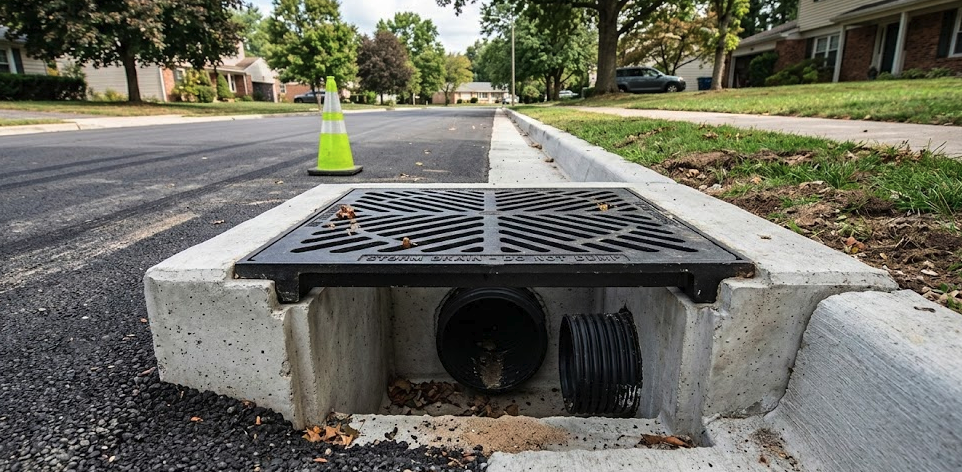
A catch basin is an underground chamber that collects surface water through a grated opening at ground level. Water flows through the grate into the basin chamber below, where heavier sediment settles to the bottom while cleaner water exits through an outlet pipe connected to the drainage system. This simple but effective design prevents debris from clogging underground drainage pipes while efficiently collecting and redirecting surface water.
Catch basins work through gravity—water naturally flows to low points where basins are strategically placed. The grate allows water entry while preventing large debris. Inside the basin, a sediment bucket or sump area traps dirt, leaves, and debris, protecting downstream drainage pipes. The outlet pipe, positioned above the sediment zone, carries relatively clean water to discharge points—storm systems, dry wells, or appropriate drainage areas.
Professional catch basin systems include several essential components:
Quality components ensure long-term performance. We use durable basin materials, heavy-duty grates rated for expected loads, and proper connections preventing leaks and separations.
Different catch basin types serve specific applications:
Type selection depends on water volume, location, aesthetic preferences, and site conditions. Our assessment determines which type works best for your specific situation.
If water consistently pools in specific low spots—at the end of driveways, corners of yards, low areas of patios—catch basins provide targeted solutions. Rather than trying to regrade entire areas (which may not be feasible), strategically placed catch basins collect water exactly where it accumulates. This targeted approach efficiently solves localized pooling problems. Catch basins excel at managing water that naturally flows to specific collection points, working with your property’s topography rather than fighting it.
Hardscaped surfaces—driveways, patios, walkways—generate substantial runoff because they’re impermeable. Without proper drainage, water pools on these surfaces or floods adjacent areas. Catch basins installed at low points of driveways and patios collect this runoff before it causes problems. They’re particularly effective at driveway ends where water tends to accumulate, patio corners where water collects, and transitions between hardscape and lawn. Combined with our yard drainage systems, catch basins keep all areas dry.
Properties often have natural or created low spots where water collects—depressions in yards, at the base of slopes, or where different elevations meet. These low spots become persistent problem areas, staying wet long after rain and creating unusable muddy zones. Catch basins installed at these low points intercept water before it pools, redirecting it to appropriate drainage. This is often more practical and cost-effective than extensive regrading to eliminate the low spot entirely.
Properties with water from multiple sources—roof runoff from various downspouts, runoff from different paved areas, water flowing from adjacent properties—benefit from multiple catch basins creating a collection network. Each basin collects water from its area, all connecting to a common drainage system. This distributed collection approach is more effective than trying to channel all water to a single point. Multiple basins also provide redundancy—if one basin becomes temporarily clogged, others continue functioning.
Water flowing across properties creates erosion, washing away soil and damaging landscapes. Catch basins positioned to intercept runoff before it gains velocity prevent erosion by collecting water before it flows. By capturing water at strategic points, catch basins eliminate the flowing water that causes erosion. This is particularly important on slopes, in landscaped areas with valuable plantings, and anywhere erosion threatens property or structures.
Effective catch basin systems begin with careful site assessment. We observe water flow patterns during or after rain when possible, identify areas where water pools or flows, evaluate existing drainage infrastructure, assess soil conditions and permeability, and determine appropriate discharge locations. This assessment reveals where basins should be placed for maximum effectiveness. We look for natural collection points where water already flows, making basin placement work with—not against—natural drainage patterns.
Based on assessment findings, we design catch basin systems with strategic placement. Design considerations include positioning basins at optimal collection points, sizing basins for expected water volume, planning underground piping routes and slopes, determining discharge methods and locations, and integrating with existing drainage infrastructure when present. We present design plans showing exact basin locations, pipe routing, and discharge points. You understand where basins will be placed and how the system will function before installation begins.
Installation day, our crew performs precision professional excavation for basin chambers and piping trenches. We excavate to appropriate depths (typically 24-36 inches for basins, 18-24 inches for pipes), set basins level and at correct elevations, install outlet piping with proper slopes (minimum 1% grade), connect all components securely, and backfill excavations carefully. We use quality materials—durable basin bodies, heavy-duty grates, and professional drainage pipe. Installation precision ensures proper function and longevity.
After installation, we connect basins to discharge points and test system performance. Testing includes introducing water into basins to verify drainage, checking that outlet pipes carry water efficiently to discharge, inspecting all connections for proper sealing, and ensuring grates are level and secure. We don't consider work complete until we've verified your catch basin system works correctly. Final grading around basins directs surface water toward grates, maximizing collection efficiency.
Standard round or square catch basins are the most common type. These range from 12-24 inches in diameter (or square dimension) and 24-36 inches deep. They feature single grated openings at ground level and work for most residential applications—yard drainage, general surface water collection, and typical low spot situations. We install standard basins using either precast concrete (extremely durable, heavy-duty) or heavy-duty plastic (lighter weight, easier handling, still very durable). Grates come in various styles—cast iron for heavy traffic areas, plastic for lighter applications.
Trench drains (also called channel drains) feature long, narrow basins with linear grates. Rather than collecting water at a point, they collect along their entire length. This makes them ideal for driveways (across the apron preventing water entry to garages), along building foundations, across slopes intercepting sheet flow, and in areas where water flows in a line rather than to a point. Trench drains integrate with standard catch basins—water collected by the trench drain flows to a catch basin with outlet connection.
Area drains are smaller, shallower versions of standard catch basins—typically 9-12 inches diameter and 12-18 inches deep. Their compact size makes them suitable for tight spaces, minor pooling issues, and locations where full-size basins aren't necessary. Area drains often connect to larger catch basins or directly to drainage pipes. They're cost-effective for spot drainage problems and work well in landscaped areas where smaller, less visible grates are preferable.
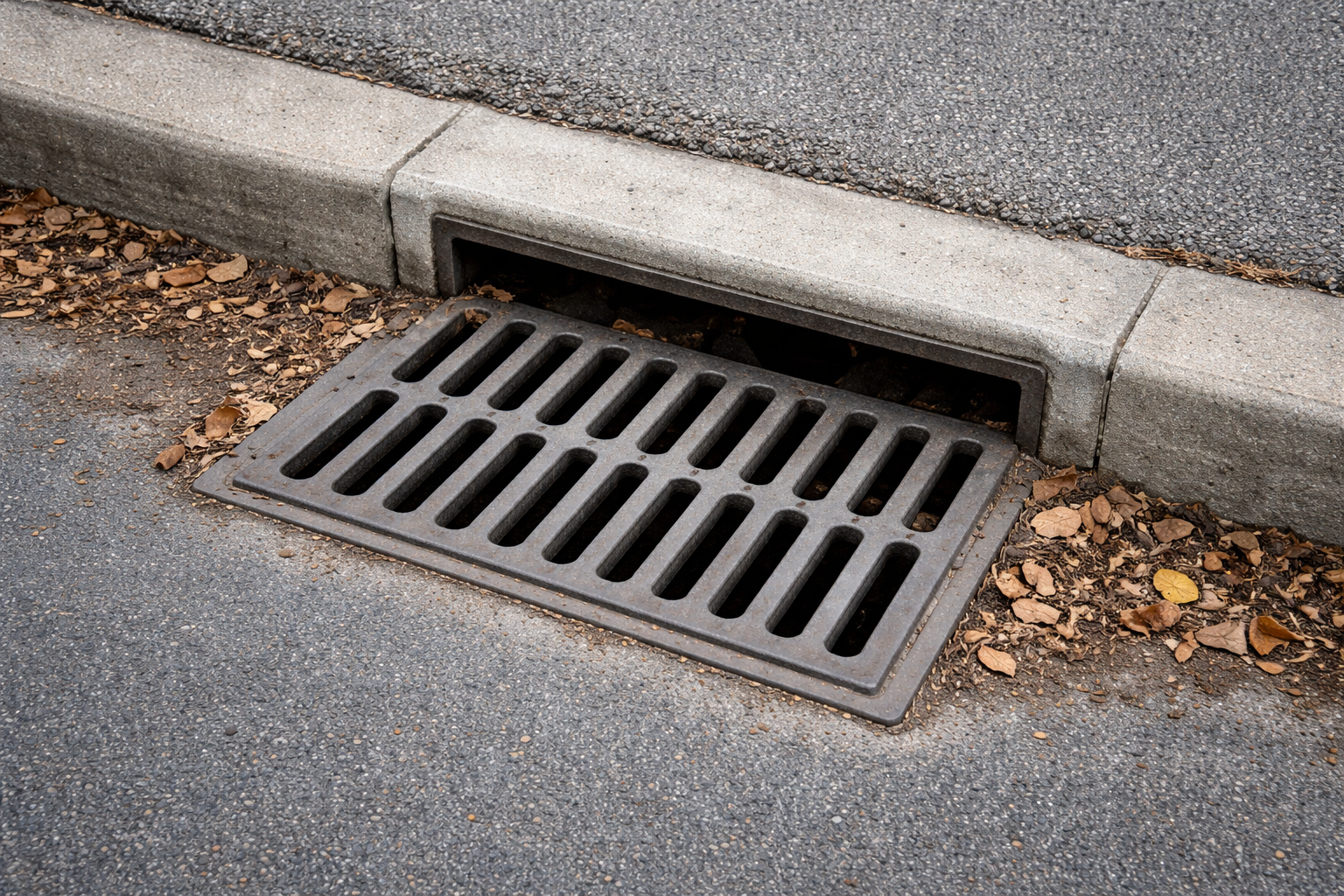
Curb inlet basins feature openings at curb or ground level rather than grates on top. Water enters through side openings. These work well at driveway entrances, along streets or curbs, and in locations where top grates might be covered by vehicles or materials. Curb inlets are common in commercial applications but also useful residentially. They provide drainage without grates that could be obstructed or that might create tripping hazards.
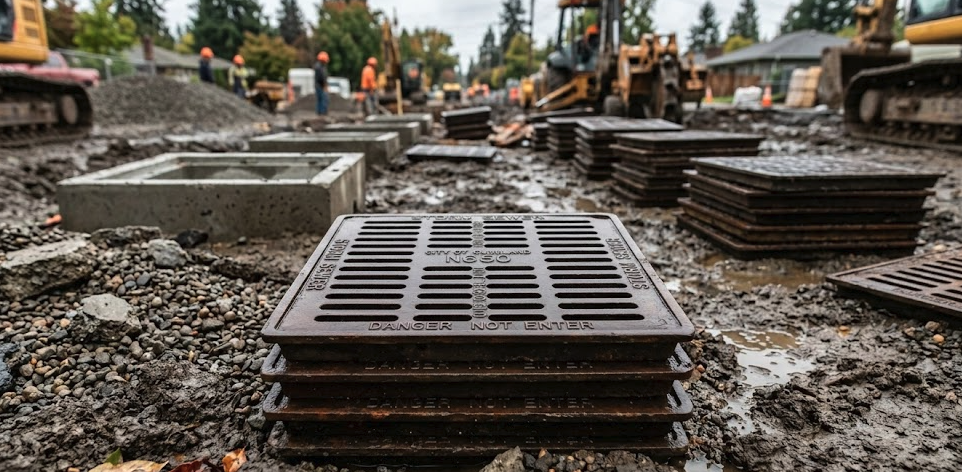
Basin bodies—the underground chambers—come in several materials. Precast concrete basins are extremely durable, supporting heavy loads, and lasting indefinitely. They’re ideal for driveways and areas with vehicle traffic. Heavy-duty polyethylene basins are lighter, easier to install, still very durable, and won’t crack like concrete in freeze-thaw cycles. They work excellently for yard applications. We select appropriate basin materials based on your specific application, load requirements, and budget.
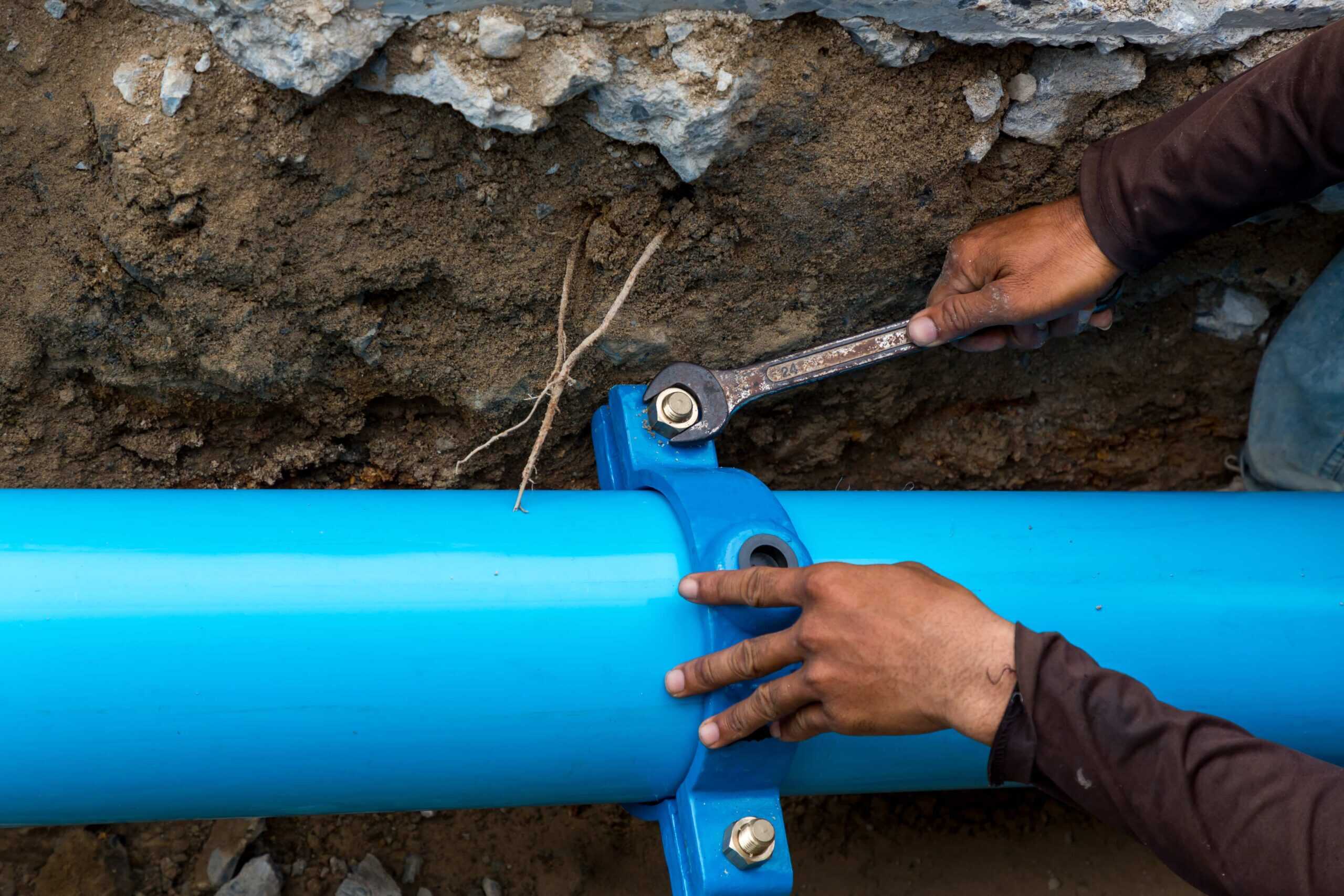
Grates are critical components—they must support expected loads while allowing maximum water entry. Options include cast iron grates (extremely strong, rated for vehicle traffic, long-lasting), ductile iron grates (even stronger than cast iron for heavy applications), steel grates (strong and durable for most applications), and plastic grates (suitable for non-traffic areas, lightweight). Grate selection depends on location and expected loads. Driveway basins need vehicle-rated grates; yard basins can use lighter options.
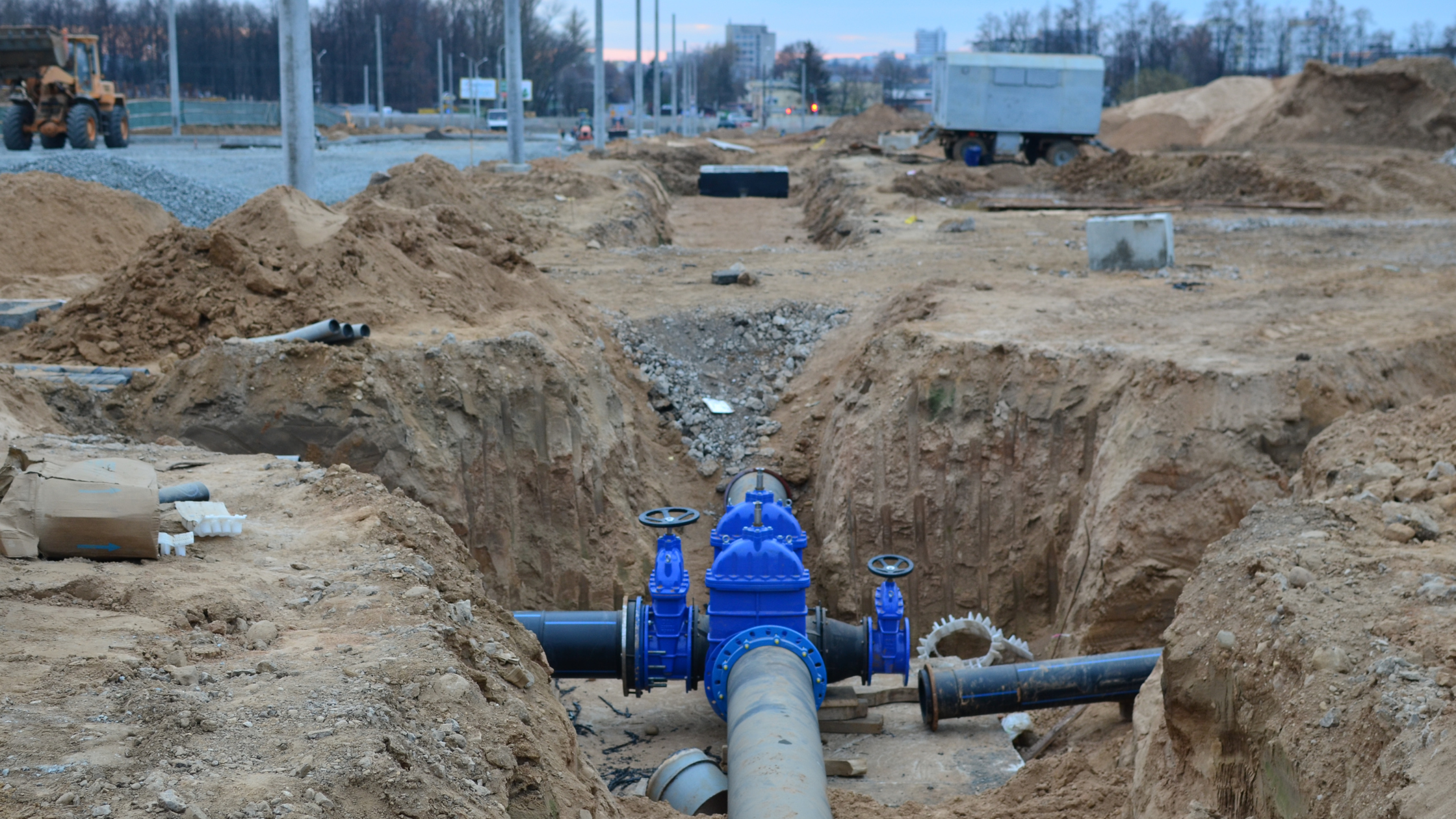
Sediment buckets inside catch basins trap debris before it enters drainage pipes. These removable chambers sit at basin bottoms, collecting leaves, dirt, and other materials that wash into basins. Sediment buckets make maintenance much easier—remove the bucket, dump contents, replace. Without sediment buckets, cleaning requires reaching into basin chambers. Quality sediment buckets are essential for maintainable, long-lasting systems. We include appropriately sized sediment buckets in all catch basin installations.
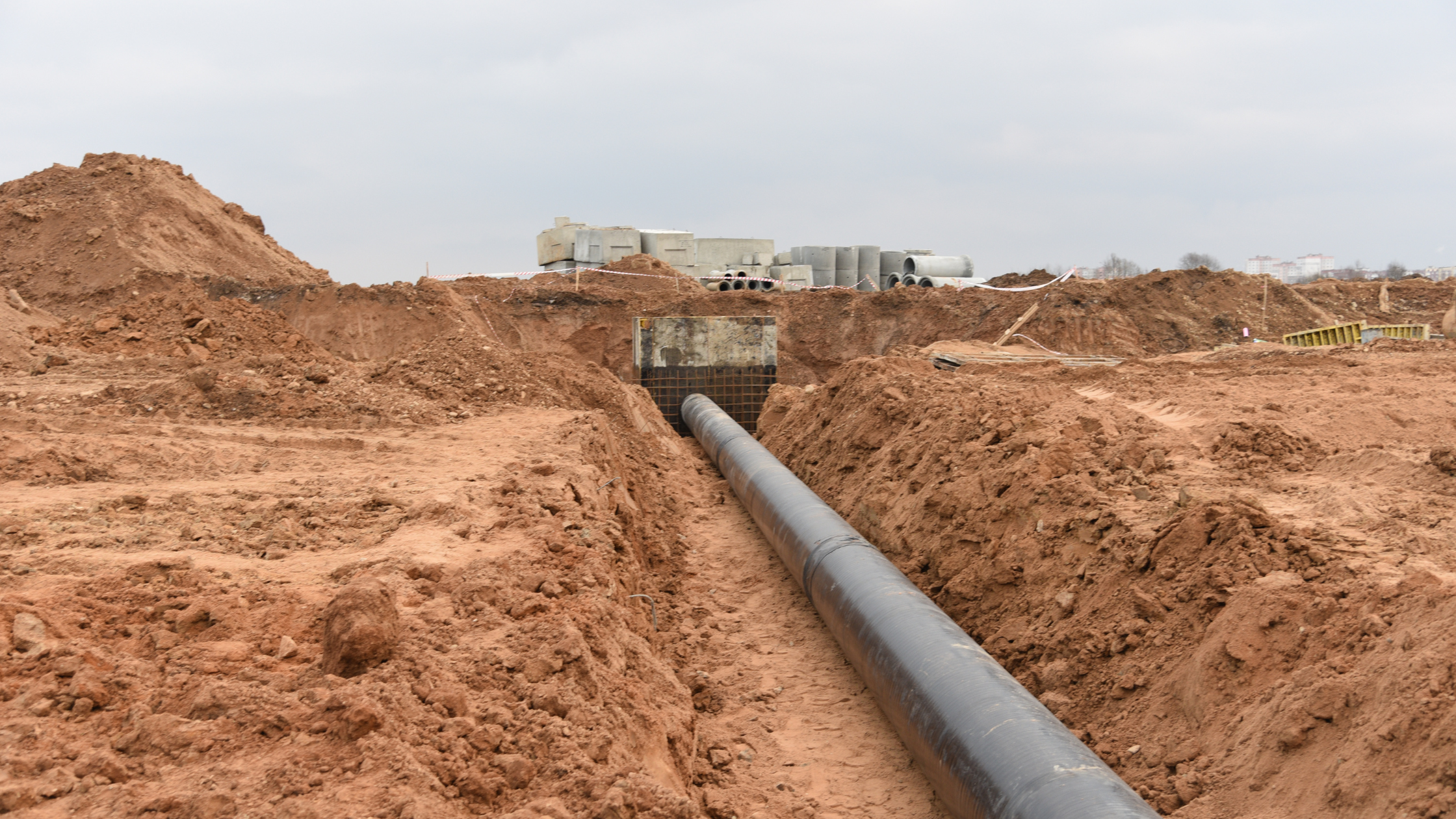
Outlet pipes connect catch basins to drainage systems. Connections must be properly sealed preventing leaks and root intrusion. We use appropriate connection methods based on basin and pipe materials—rubber boot connections for flexible joints, PVC solvent welds for permanent connections, and mechanical couplings for adjustable connections. All connections are tested for proper seal. Outlet pipes typically use 4-inch PVC for most residential applications, with larger diameters for higher flow volumes.
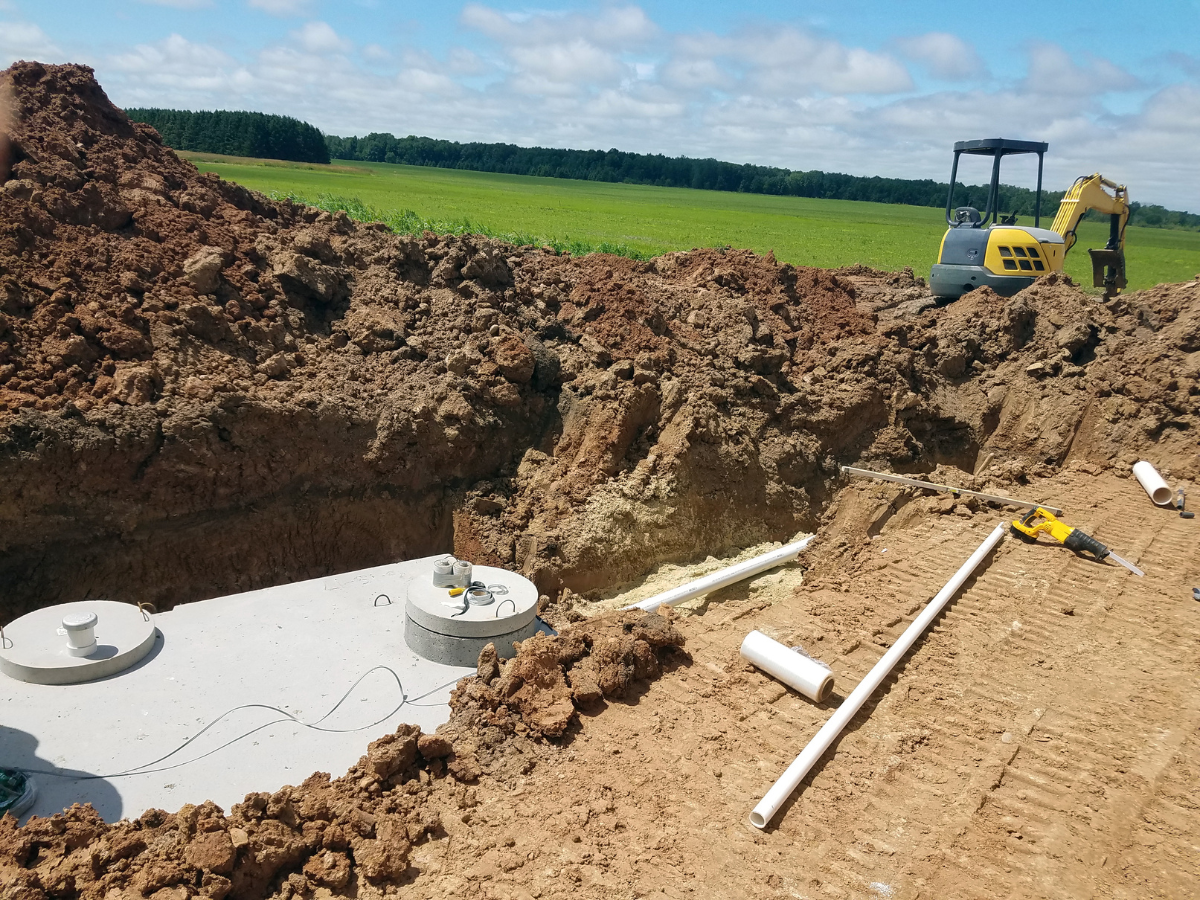
Effective catch basin placement requires identifying exactly where water naturally collects. We look for obvious low spots visible during rain, subtle depressions that hold water briefly, and points where water flow converges from multiple directions. These natural collection points are ideal basin locations—water already flows there, so basins work with natural drainage patterns. Proper low point identification ensures basins collect maximum water with minimum system complexity.
Understanding how water moves across your property guides basin placement. We trace water paths from high to low points, identify where flowing water gains velocity (creating erosion), note where water crosses from hardscape to lawn, and determine where water threatens structures. Strategic basin placement intercepts water before it causes problems—collecting it while flowing slowly rather than waiting until it's pooled in problem areas. This proactive approach prevents issues rather than just managing them after they occur.
Properties often need multiple catch basins creating a collection network. Each basin handles water from its area, all connecting to a common drainage system. Multiple basin systems provide several advantages—distributed collection is more effective than channeling all water to one point, systems handle higher total volumes by spreading collection, and if one basin temporarily clogs, others continue functioning. We design multi-basin systems as cohesive networks working together, not just individual basins scattered randomly. Strategic placement ensures comprehensive coverage.
Catch basins and French drain systems serve different purposes. Catch basins collect surface water at specific points—where it pools or flows to. They’re ideal for managing water on surfaces and in low spots. French drains are subsurface systems intercepting groundwater before it surfaces. They address soggy areas caused by high water tables and seeping groundwater. The key difference: catch basins work on surfaces; French drains work underground. Many effective drainage solutions combine both—catch basins for surface water, French drains for groundwater.
Channel drains (trench drains) are linear catch basins—they collect water along a line rather than at a point. Standard catch basins work for point collection where water converges. Channel drains work for intercepting water flowing across a line—across driveways, along foundations, or across slopes. Often, channel drains connect to catch basins—the channel collects water along its length, directs it to a catch basin, and the basin’s outlet carries water to discharge. They’re complementary rather than competitive solutions.
Most effective drainage solutions combine multiple methods. A comprehensive system might include catch basins for low point collection, French drains for groundwater management, proper surface water management through grading, and downspout drainage for roof runoff. Each method addresses specific water sources. Combined systems provide complete solutions rather than partial fixes. We design integrated systems where all components work together, creating comprehensive water management rather than isolated solutions.
Catch basin installation costs depend on basin type, quantity, and system complexity. General ranges:
Most residential installations involving 2-3 catch basins with connecting piping cost $2,000-$4,000. These ranges reflect quality materials and professional installation ensuring long-term performance.
Several variables influence catch basin installation costs:
We provide detailed estimates after site assessment, breaking down all costs clearly.
Catch basin systems provide excellent long-term value. Benefits include eliminating persistent pooling and flooding problems, protecting driveways, patios, and landscaping from water damage, preventing foundation moisture from surface water, requiring minimal maintenance (periodic cleaning only), and lasting 50+ years with quality installation. The investment in professional catch basin installation typically pays for itself through prevented damage and increased property value. Quality systems continue performing reliably for decades.
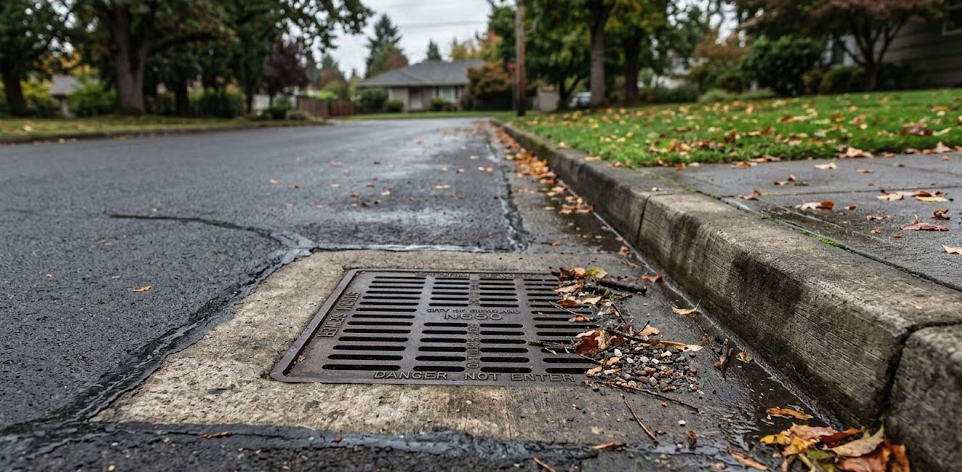
Catch basins require periodic cleaning to maintain performance. Debris—leaves, dirt, grass clippings—accumulates in sediment buckets over time. When sediment buckets fill, they reduce basin capacity and eventually allow debris into outlet pipes. Regular cleaning maintains system performance. Maintenance frequency depends on your landscape—properties with lots of trees need more frequent cleaning (2-3 times per year), while properties with minimal tree coverage may only need annual cleaning. We recommend checking basins in spring and fall as minimum maintenance.
Cleaning catch basins involves removing grates, lifting out sediment buckets, dumping collected debris, and replacing buckets and grates. With proper sediment buckets, this is straightforward maintenance. Grates lift off easily. Sediment buckets lift out for emptying. The process takes minutes per basin. Without sediment buckets (older or low-quality installations), cleaning requires reaching into basins—much more difficult. Quality installations with proper sediment buckets make maintenance simple enough for homeowners, though we also provide maintenance services if preferred.
With regular cleaning, catch basin systems last 50+ years. The basin body, grate, and piping are extremely durable—concrete, heavy plastic, and PVC last indefinitely under normal conditions. The only maintenance requirement is periodic cleaning preventing debris accumulation. Unlike mechanical systems with moving parts, catch basins are simple devices working through gravity. There’s nothing to wear out, break, or replace under normal use. This longevity makes catch basins one of the most cost-effective drainage solutions per year of service.
Lancaster properties benefit from our extensive catch basin installation experience throughout Fairfield County. We’ve solved drainage problems for Lancaster homeowners through strategic basin placement, understanding local drainage challenges including clay soil, varied terrain, and seasonal rainfall patterns. Our catch basin installation in Lancaster provides effective surface water collection preventing pooling, flooding, and erosion throughout your property.
Circleville’s mix of urban and rural properties requires flexible catch basin solutions. Our Pickaway County team has installed systems handling all scenarios—compact lots with limited space to expansive properties with multiple drainage zones. We understand Circleville’s typical drainage issues and design catch basin systems that work effectively with local conditions. Trust our storm drain basin in Circleville for professional surface water management.

Chillicothe’s diverse landscape—from hillside properties to flat yards—benefits from our catch basin expertise. Our Ross County contractors have installed drainage basin systems throughout Chillicothe, addressing various drainage challenges with customized solutions. We’ve helped countless property owners eliminate pooling and flooding through strategic catch basin placement. Count on our drainage basin installation in Chillicothe for effective surface water collection.
Single catch basin installation costs $800-$1,500 including basic piping. Area drains cost $400-$800. Multiple basin systems typically cost $2,500-$6,000 depending on number of basins and complexity. Most residential installations with 2-3 basins and connecting piping cost $2,000-$4,000. Final cost depends on basin type, quantity, excavation complexity, and piping distances. We provide detailed estimates after site assessment.
Cleaning frequency depends on your landscape. Properties with lots of trees should clean basins 2-3 times per year (spring, fall, and possibly mid-summer). Properties with minimal tree coverage typically need only annual cleaning. Regular cleaning prevents sediment bucket overflow that would allow debris into drainage pipes. Inspection in spring and fall is recommended minimum maintenance.
Yes, catch basins function year-round including winter. They drain snowmelt and winter rain just like they drain summer storms. The key is preventing ice from completely blocking grates. Grate design with adequate openings allows some water flow even if partial ice forms. In extreme cold, basins may temporarily freeze but resume normal function when temperatures moderate. Unlike mechanical systems, catch basins have no moving parts to freeze or fail.
Catch basins should be placed at natural low points where water collects, at the end of driveways where water pools, in corners or low spots of patios and paved areas, where water flow from multiple directions converges, and before water reaches structures or areas it threatens. Proper placement works with natural water flow patterns rather than fighting them. Professional assessment identifies optimal locations for maximum effectiveness.
Yes, catch basins can connect to existing drainage systems including storm sewers, existing drainage pipes, dry wells and infiltration systems, and swales or drainage ditches. Connecting to existing infrastructure often saves costs compared to creating entirely new discharge points. We assess existing drainage and integrate catch basins appropriately. Proper connections ensure new and existing systems work together effectively.
If a catch basin grate clogs with debris, water may overflow before entering the basin. However, proper maintenance prevents this. Sediment buckets catch most debris before it can clog outlet pipes. If a basin does overflow temporarily during heavy rain while partially clogged, it will drain once rain stops and debris can be removed. This is why we include quality grates with adequate openings and sediment buckets that make cleaning easy.
(740) 327-8775
Eliminate water pooling and flooding
with professional catch basin installation. Contact Drain Bros for
assessment throughout Central Ohio.