


Home > Services > Septic Systems >Septic Repair
Expert Septic System & Tank Repair Throughout Lancaster, Circleville & Chillicothe
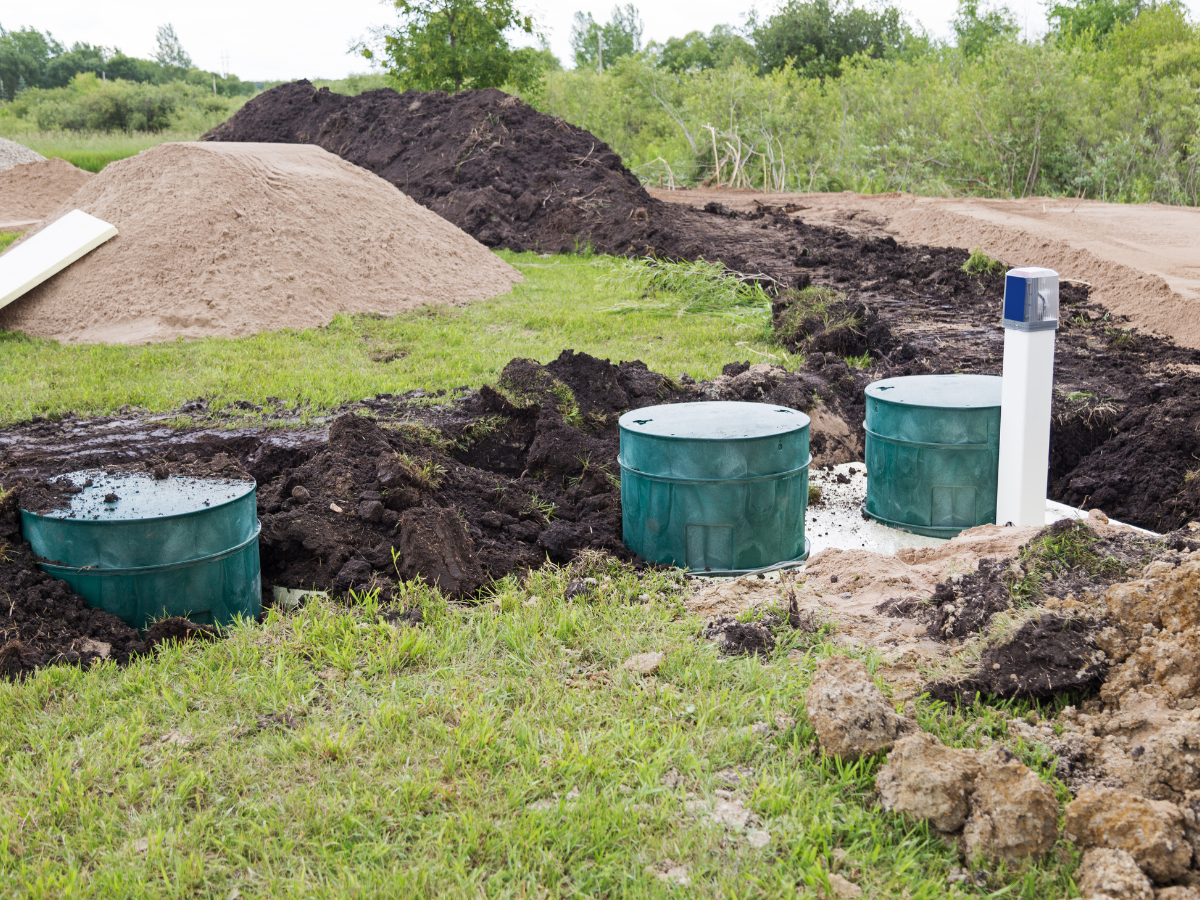
Septic system problems require prompt professional repair preventing property damage, health hazards, and complete system failure. Whether dealing with tank cracks, failed baffles, broken pipes, or mysterious backups, accurate diagnosis and appropriate repair restore system function and protect your investment. Drain Bros provides comprehensive septic repair services throughout Central Ohio, fixing problems ranging from minor tank issues to major component failures. As part of our complete septic system services, our repair expertise ensures problems are addressed correctly the first time, preventing recurring issues and unnecessary expense.
Effective septic repair requires accurate problem diagnosis distinguishing symptoms from root causes, honest assessment of repair feasibility versus replacement necessity, proper repair techniques ensuring long-term solutions, and understanding when repairs make economic sense versus system replacement. Not all septic problems are repairable—sometimes replacement is the only appropriate solution. However, many problems that seem catastrophic have straightforward repairs extending system life for years. We provide honest professional assessment, repairing what can be fixed appropriately and recommending replacement only when repairs don’t make sense economically or functionally.
Serving Lancaster, Circleville, Chillicothe, and throughout Fairfield, Pickaway, and Ross Counties, we’ve repaired hundreds of septic systems facing diverse problems. Our experience includes concrete tank repairs, baffle replacements, pipe repairs, distribution box fixes, and emergency repairs preventing property damage. We understand septic repair urgency—system failures affect daily life and can create health hazards. We respond promptly to repair needs, diagnosing problems accurately and implementing effective solutions restoring system function. When you need septic repair, trust professionals who fix problems correctly rather than applying temporary patches leading to recurring issues.
Concrete septic tank cracks develop from age, soil settlement, tree root pressure, or freeze-thaw cycles. Small cracks allow groundwater infiltration overloading systems or effluent leakage contaminating soil. Large cracks compromise structural integrity risking tank collapse. Crack repair feasibility depends on location, size, and accessibility. Surface cracks on accessible tank walls can often be repaired with specialized sealants or coatings. Structural cracks, cracks below grade requiring excavation, or extensive cracking typically warrant tank replacement rather than repair. We assess crack severity honestly, repairing when appropriate but recommending replacement when repairs won’t provide reliable long-term solutions. Tank replacement through our septic installation services provides complete system restoration when repair isn’t feasible.
Inlet and outlet baffles control flow through septic tanks, preventing solids from exiting to drain fields. Baffle failures are common problems—baffles deteriorate from age and septic environment exposure. Failed inlet baffles allow turbulent flow disrupting settling; failed outlet baffles allow solids to flow directly to drain fields causing premature field failure. Baffle problems manifest as system backups, drain field problems despite recent tank pumping, or floating solids observed during pumping. Baffle replacement is straightforward repair accessed through tank lids—new baffles install where old baffles failed. Baffle replacement costs $300-$800 typically—inexpensive compared to drain field replacement ($10,000-$20,000+) from field damage caused by failed baffles. Catching and repairing baffle failures early protects drain fields from permanent damage.
Pipes connecting homes to septic tanks or tanks to drain fields break from tree root intrusion, soil settlement, freezing, or age-related deterioration. Broken pipe symptoms include sewage backups, wet areas along pipe routes, foul odors, or slow drains. Pipe repairs require excavation exposing damaged sections—repair involves removing broken pipe sections and installing replacement pipe with proper connections and grading. Pipe repair costs vary by depth, access difficulty, and repair length ($500-$3,000+ typically). Camera inspection identifies pipe problems and exact locations preventing unnecessary excavation. Prompt pipe repair prevents sewage leakage damaging property and creating health hazards. Root intrusion in pipes may require ongoing treatment preventing recurrence. See our sewer repair services for related pipe repair expertise.
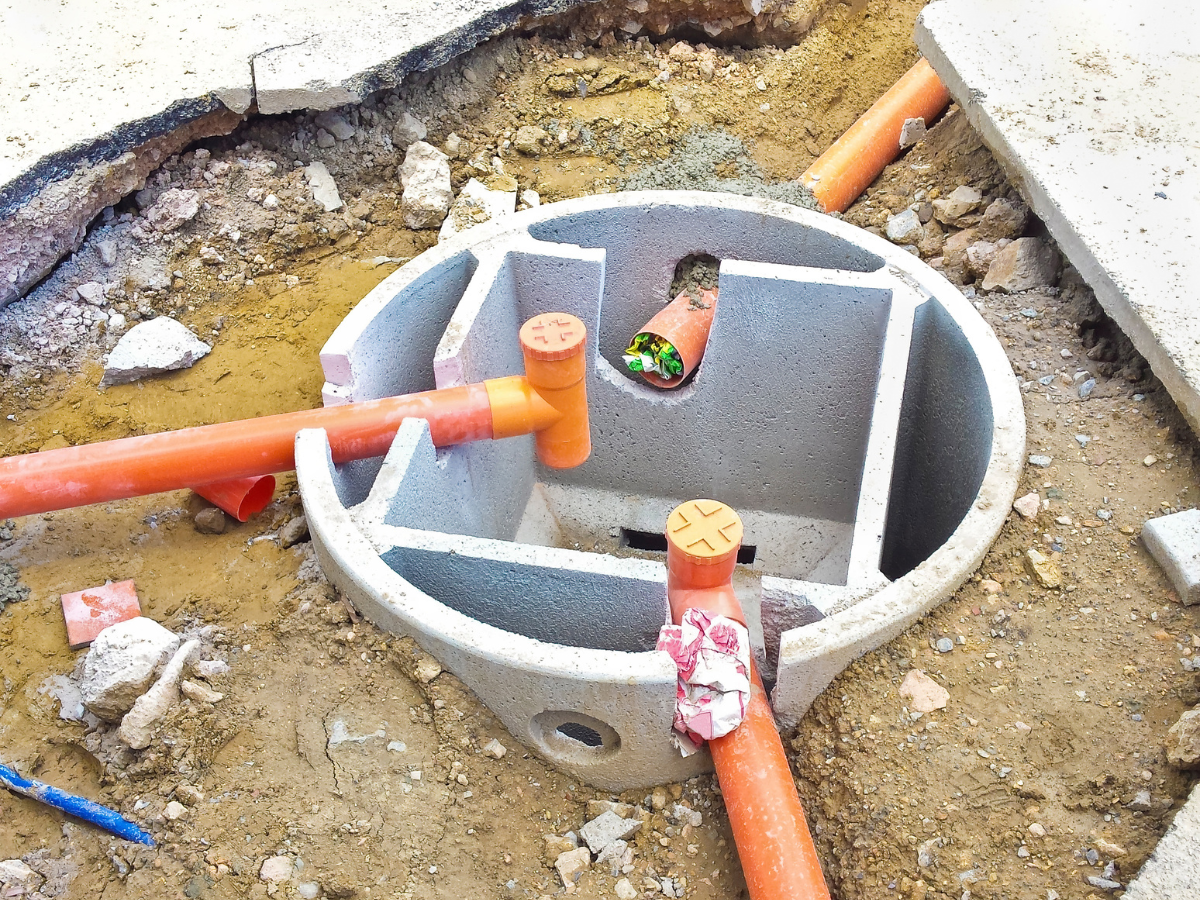
Distribution boxes (D-boxes) divide flow between drain field lines. D-box problems include unlevel boxes causing unequal flow distribution (overloading some lines while others sit unused), clogged outlets preventing flow to some field lines, cracked or deteriorating boxes leaking effluent, and separated connections allowing leakage. D-box repair involves excavation for access, releveling boxes for equal distribution, clearing clogged outlets, sealing minor cracks, or replacing severely damaged boxes. Proper D-box function ensures equal drain field use extending field life. Neglected D-box problems cause premature drain field failure in overloaded sections. D-box repair typically costs $400-$1,200 depending on problem severity and access difficulty—worthwhile investment protecting expensive drain fields from premature failure.
Sewage backups into homes indicate serious septic problems. Backup causes include full tank needing pumping (most common), blocked pipes between house and tank, failed baffles, drain field failure, or frozen pipes (winter). Backup response requires identifying cause then implementing appropriate repair. If tank is full, emergency pumping provides immediate relief. If pipes are blocked, clearing or repair restores flow. If drain field has failed, repair becomes more complex—sometimes requiring field replacement. We provide emergency backup service, responding quickly to diagnose causes and implement solutions. Temporary pumping may provide relief while investigating underlying problems requiring more extensive repairs. Never ignore backups—they indicate problems needing professional attention preventing property damage and health hazards.
Effective repair begins with accurate diagnosis distinguishing symptoms from root causes. Diagnostic process includes gathering symptom history (when problems started, how symptoms present, any changes over time), visual inspection of accessible system components, tank pumping and internal inspection when appropriate, camera inspection of pipes identifying blockages or damage, and testing system function. Accurate diagnosis prevents wasting money on wrong repairs. For example, slow drains might indicate full tank needing pumping, blocked pipes requiring clearing, or beginning drain field failure needing field attention. Different causes require different solutions. We diagnose systematically, identifying actual problems rather than guessing. Professional diagnosis through our septic inspection services guides appropriate repair decisions.
After diagnosis, we assess repair feasibility and economics. Assessment includes determining whether problems are repairable or require replacement, evaluating repair longevity expectations, calculating repair costs versus replacement costs, considering system age when making repair versus replace recommendations, and providing honest professional opinion on best course. Some problems have straightforward repairs providing years of additional service economically. Other problems technically can be repaired but costs approach replacement costs, or repairs provide only short-term solutions before other problems develop. We provide honest assessment helping you make informed decisions balancing immediate costs against long-term value. Sometimes spending $1,000 on repairs buys 5-10 more years of service; other times spending $5,000 on extensive repairs makes less sense than $10,000 for complete system replacement providing 20-30 years of service.
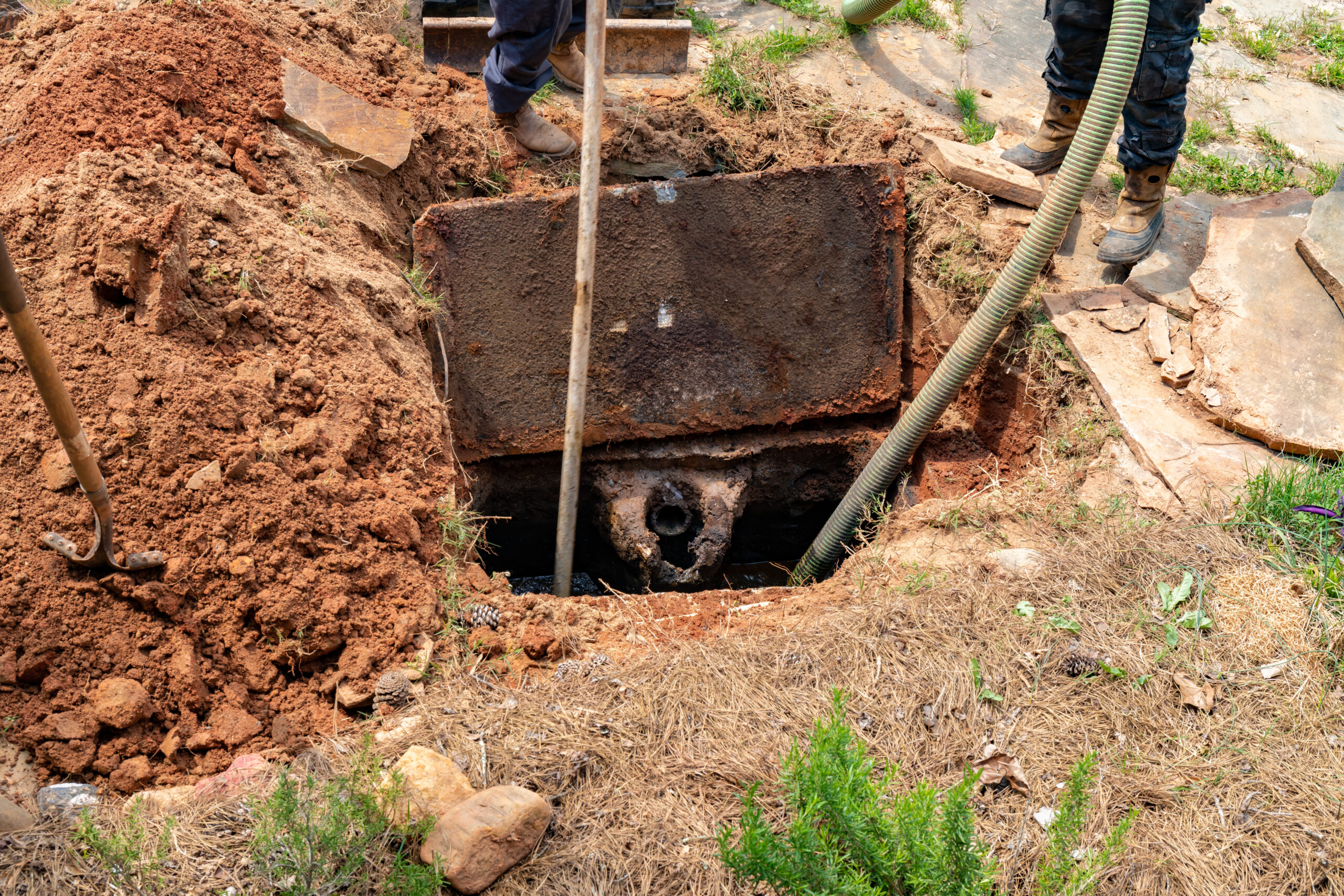
Approved repairs proceed using proper materials and techniques ensuring long-term solutions. Repair work includes excavation when needed for access to buried components, removing and replacing failed components, sealing cracks or leaks appropriately, making connections properly with correct materials, testing repairs ensuring proper function, and backfilling and surface restoration. Quality repair work requires proper materials—temporary fixes with inappropriate materials fail quickly. We use materials suited for septic environments providing reliable long-term performance. Repairs also require skill—improper work creates new problems or fails to address underlying issues. Professional repair provides lasting solutions rather than temporary patches requiring repeated service calls. Our excavation services provide expert access for buried component repairs.
After repairs, thorough testing confirms problems are resolved. Testing includes running water through system verifying proper flow, checking for leaks at repair locations, observing system operation through several cycles, monitoring for recurring symptoms, and in some cases, performing water tests confirming repairs. Testing identifies any issues before we leave allowing immediate correction. We don't consider repairs complete until testing confirms problems are resolved and systems operate properly. Follow-up may be recommended for some repairs—checking after several weeks of use ensures repairs continue performing correctly. Thorough testing and verification provide confidence your septic system is repaired properly and will serve reliably going forward.
Septic tank crack repair feasibility depends on crack characteristics and location. Repairable cracks include small surface cracks on accessible walls (above liquid level), hairline cracks not compromising structure, and cracks accessible without major excavation. Repair methods include hydraulic cement for small cracks, epoxy injection for structural cracks, and specialized coatings for surface protection. Unrepairable situations include extensive cracking throughout tank, cracks below liquid level requiring draining and extensive excavation, structural cracks compromising tank integrity, and situations where repair costs approach replacement costs. We assess cracks honestly—some can be repaired providing years of additional service; others warrant tank replacement. Tank age factors into repair decisions—repairing cracks on 40+ year old concrete tanks may not make sense when other problems are likely imminent.
Baffle replacement is one of the most straightforward and cost-effective septic repairs. Replacement process includes pumping tank to access baffles safely, removing deteriorated baffle remnants, installing new baffles (typically concrete or plastic), securing baffles properly preventing displacement, and verifying proper positioning and function. Modern replacement baffles use durable materials lasting decades. Baffle replacement cost ($300-$800 typically) is minimal compared to consequences of failed baffles—drain field damage from solids intrusion costs $10,000-$20,000+ to repair. Baffle condition should be checked during routine tank pumping—catching deterioration early allows planned replacement before baffles fail completely. Baffle replacement significantly extends system life by protecting drain fields from damage.
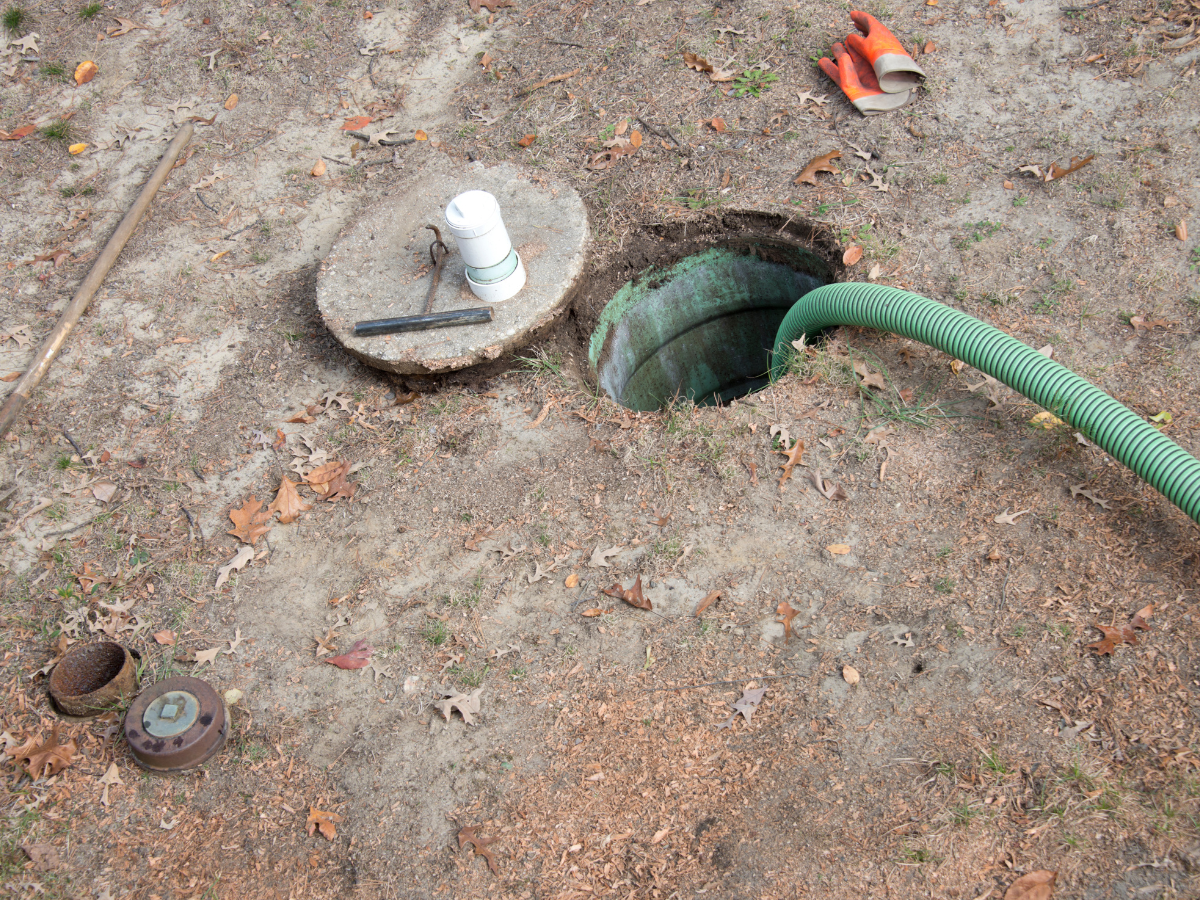
Septic tank lids deteriorate from age and environmental exposure creating safety hazards. Lid problems include cracked or broken concrete lids, rusted metal lid frames, lids that don’t seal properly allowing groundwater entry or odor escape, and missing or inadequate lids creating fall hazards. Lid repair or replacement is important safety work and prevents groundwater infiltration overloading systems. Lid replacement involves removing deteriorated lids, installing new concrete or plastic lids meeting current safety standards (childproof, adequate strength), and ensuring proper sealing. Modern plastic lids are lighter and more durable than old concrete. Lid repair typically costs $200-$600 depending on lid type and access. Proper lids protect public safety and system function—deteriorated lids should be addressed promptly.
Inlet pipes carry wastewater from homes to septic tanks. Inlet pipe problems include broken pipes from tree roots or settlement, separated joints leaking sewage, crushed pipes from surface loads, and bellied pipes holding wastewater. Inlet pipe repair requires excavation exposing damaged sections, removing broken pipe, installing replacement pipe with proper grade (minimum 1/4 inch per foot slope toward tank), making sealed connections, and backfilling carefully. Inlet pipe problems cause backups into homes—urgent repairs are needed restoring wastewater flow. Camera inspection identifies exact problem locations preventing unnecessary excavation. Inlet pipe repair costs $500-$2,000+ depending on depth, length, and access difficulty. Prompt repair prevents sewage backup damage to homes.
Outlet pipes carry effluent from septic tanks to distribution boxes or drain fields. Outlet pipe problems mirror inlet problems but consequences differ—outlet pipe failures don't typically cause house backups but do prevent proper drain field function and may cause tank overfilling. Outlet pipe repair follows similar process to inlet repair—excavation, pipe replacement, proper connections, and backfilling. Outlet pipe problems sometimes remain unnoticed until systems back up from tank overfilling. Regular tank pumping provides opportunity to inspect outlet pipe condition identifying problems before failures occur. Outlet pipe repair costs are similar to inlet repair ($500-$2,000+). Proper outlet pipe function is critical for drain field protection and system operation.
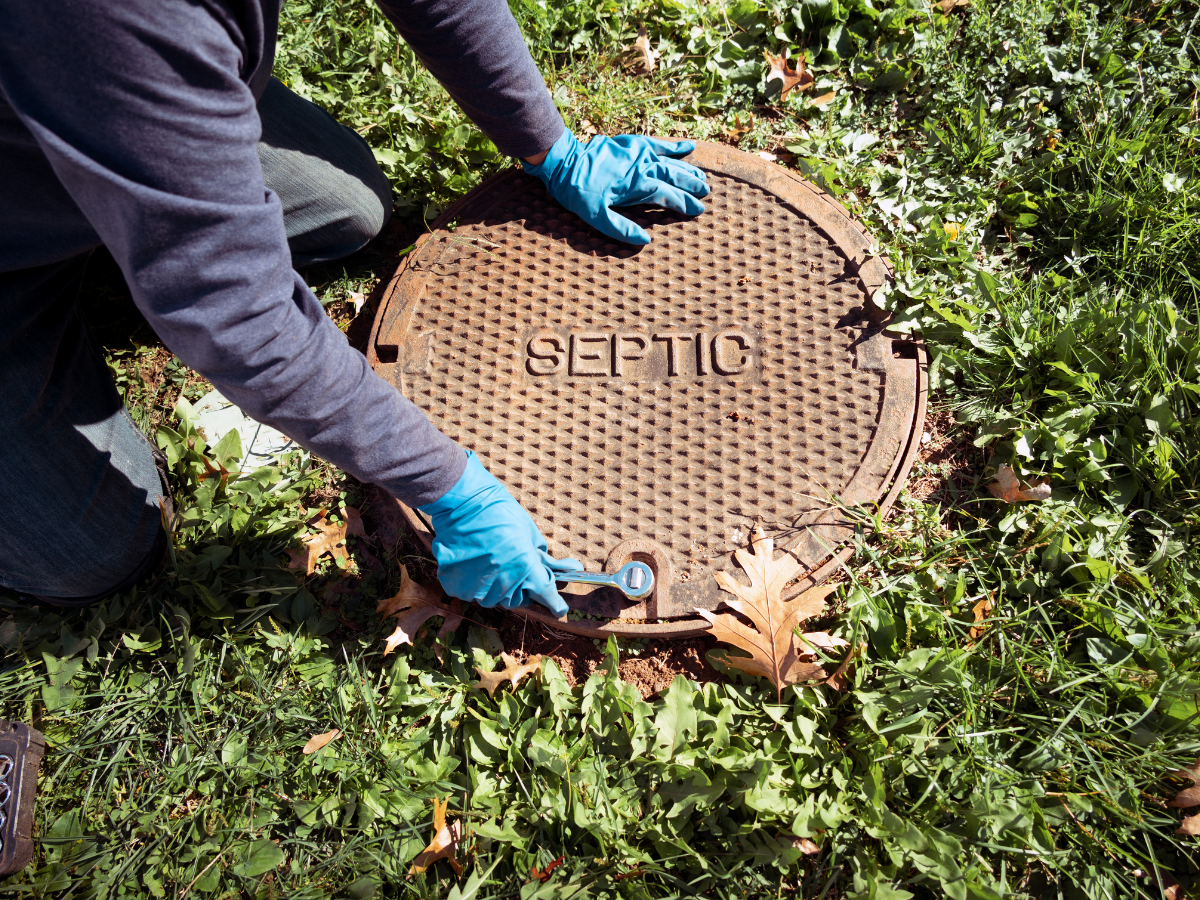
Drain field pipes distribute effluent throughout drain fields. Field pipe problems include crushed pipes from compaction or vehicle traffic, root intrusion blocking pipes, separated joints disrupting distribution, and degraded perforations in old pipes. Field pipe repair feasibility depends on problem extent—localized problems in specific lines may be repairable; widespread field deterioration typically requires complete field replacement. Limited field pipe repair involves excavating specific problem areas, replacing damaged pipe sections, ensuring proper grade and connections, and restoring field around repairs. However, extensive field problems often indicate overall field failure warranting complete replacement. We assess field problems honestly, repairing when appropriate but recommending field replacement through our drain field repair services when repairs won't provide reliable solutions. Field pipe repair costs $800-$3,000+ for localized repairs; complete field replacement runs $10,000-$20,000+.
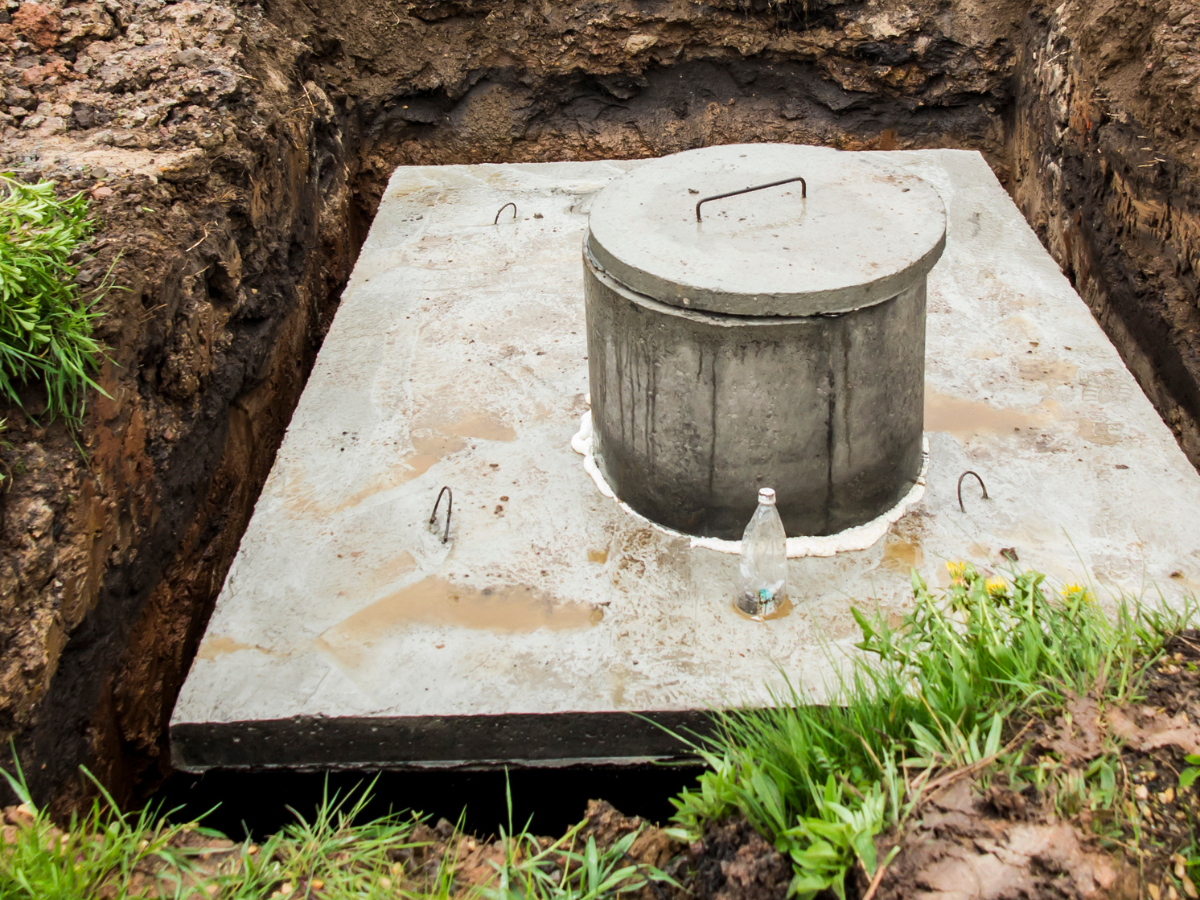
Many septic problems have cost-effective repairs extending system life significantly. Typically repairable issues include failed baffles (straightforward replacement), tank lid deterioration (simple lid replacement), minor tank cracks on accessible surfaces, localized pipe breaks, distribution box releveling or minor repairs, and clogged drain field lines in otherwise functional fields. Repair economics favor fixing when repair costs are substantially less than replacement (typically 25% or less of replacement cost), systems are relatively young (under 15-20 years), overall system condition is good beyond specific problem, and repairs provide reasonable longevity expectation (5-10+ years of additional service). Professional assessment determines whether repairs make sense—we recommend repairs when they provide good value, not just because repairs are possible.
Some septic problems warrant system replacement rather than repair. Replacement-appropriate situations include complete drain field failure (most common replacement scenario), severely deteriorated tanks with extensive cracking or structural damage, undersized systems for current household needs, old systems (30+ years) with multiple developing problems, systems not meeting current codes discovered during property sales, and situations where extensive repairs approach replacement costs. Drain field failure particularly warrants replacement—fields are expensive to replace ($10,000-$20,000+) and attempting repairs on failed fields rarely provides lasting solutions. When multiple problems exist simultaneously, replacement often makes better economic sense than piecemeal repairs. We provide honest replacement recommendations when repairs don’t represent good long-term value. See our septic installation services for complete system replacement.
Repair versus replacement decisions require cost-benefit analysis considering multiple factors. Analysis includes repair cost versus replacement cost (as percentage), expected longevity from repairs versus new system (20-30+ years), system age and overall condition, likelihood of other problems developing soon, and long-term property plans. General guidelines include repair when costs are under 25-30% of replacement and system has reasonable remaining life, replacement when repair costs exceed 50% of replacement, and careful evaluation when repair costs fall between 30-50% of replacement. System age matters—spending $3,000 on repairs to 10-year-old system may provide 15-20 more years of service (good value); same repair on 30-year-old system might provide only 3-5 years before other problems develop (questionable value). We help analyze repair versus replacement economics, providing information for informed decisions balancing immediate costs against long-term value.
Some septic problems constitute emergencies requiring immediate attention. Emergency situations include sewage backing up into homes creating health hazards and property damage, sewage surfacing in yards creating health hazards, complete system failure preventing wastewater disposal, and broken pipes allowing raw sewage escape. Emergencies threaten health and property requiring prompt response. Non-emergency problems—slow drains developing gradually, minor odors, or small wet areas—don't require after-hours calls but do need timely professional attention preventing escalation to emergencies. When facing septic emergencies, call immediately—we prioritize emergency calls, responding as quickly as possible to protect health and property. Emergency repairs may involve temporary solutions providing immediate relief while investigating underlying problems requiring more extensive repairs.
Emergency septic response focuses on immediate health and property protection. Emergency service includes rapid response to urgent calls (within hours when possible), assessment of immediate hazards and protective measures, implementation of temporary solutions providing immediate relief (emergency pumping, temporary bypasses), and development of permanent repair plans addressing underlying problems. After-hours emergency service may involve additional fees reflecting urgency and inconvenience. However, emergency fees are worthwhile preventing property damage, health hazards, and quality of life impacts from septic failures. Not all after-hours calls are true emergencies—we help assess urgency, scheduling truly urgent situations immediately while arranging next-day service for problems that can wait safely. Our goal is responsive service protecting customers while managing resources efficiently.
Emergency situations sometimes require temporary measures providing immediate relief while permanent solutions are developed. Temporary options include emergency tank pumping providing immediate capacity when systems back up, temporary water usage restrictions reducing system load, portable toilet rental (extreme situations) allowing system rest during extensive repairs, and temporary bypasses (carefully controlled) during pipe repair work. Temporary solutions are exactly that—temporary. They provide breathing room for proper diagnosis and permanent repair planning rather than rushing repairs under emergency pressure potentially missing underlying problems or making poor decisions. We implement temporary measures judiciously, always with plans for permanent repairs addressing root causes. Temporary solutions buy time for proper permanent repairs but should never become long-term approaches avoiding necessary work.
Proper maintenance prevents many septic repairs. Preventive practices include regular tank pumping every 3-5 years (single most important maintenance task), water conservation reducing system load and stress, avoiding chemical drain cleaners protecting beneficial bacteria and tank components, keeping drain fields clear of vehicle traffic preventing compaction and pipe crushing, and protecting system from tree root intrusion. Many septic repairs result from neglect rather than inherent problems—full tanks cause baffle damage and drain field problems, excessive water use overloads systems, and harsh chemicals damage tank components. Simple preventive attention costs little but prevents expensive repairs. See our septic pumping services for regular maintenance keeping systems healthy.
Regular septic inspection catches problems early when repairs are simpler and less expensive. Inspection frequency includes visual inspection annually checking for surface indications of problems (wet areas, odors, lush vegetation over drain field), professional inspection every 3-5 years during pumping service checking tank condition, baffles, and system operation, and pre-sale inspections when selling property identifying problems allowing planned repairs rather than emergency response during sale negotiations. Early problem detection through inspection allows planned, economical repairs. For example, catching baffle deterioration during routine pumping allows scheduled baffle replacement ($300-$800) preventing complete baffle failure causing drain field damage ($10,000-$20,000+ for field replacement). Regular inspection is inexpensive insurance against expensive surprises.
Appropriate system use prevents damage and extends septic life. Proper use practices include flushing only human waste and toilet paper (never wipes, feminine products, or trash), keeping fats, oils, and grease out of drains (they clog pipes and fields), limiting garbage disposal use (food waste strains systems), spacing laundry loads throughout week rather than all one day, fixing leaky faucets and toilets promptly (even small leaks strain systems), and educating household members about septic-safe practices. Abuse causes premature system failure requiring expensive repairs or replacement. Many “failed” systems have been damaged by improper use rather than normal wear. Proper use allows systems to reach expected 20-30+ year lifespans without major repairs. Treating systems appropriately is the best way to avoid repair needs.
Septic repair costs vary significantly by problem type and complexity. General ranges:
Costs include diagnosis, excavation when needed, materials, labor, and restoration. Access difficulty, problem complexity, and material choices affect costs. We provide detailed estimates after diagnosis explaining all work and cost components.
Several variables influence septic repair costs:
Catching problems early through regular maintenance and inspection typically results in lower repair costs—small problems caught early cost less to fix than major problems developing from neglected minor issues.
Professional septic repair provides value justifying costs. Benefits include accurate diagnosis identifying actual problems rather than guessing, appropriate repair techniques providing lasting solutions, proper materials suited for septic environments, experience preventing common repair mistakes, equipment for efficient excavation and access when needed, and honest assessment of repair versus replacement economics. DIY septic repair is usually not advisable—specialized knowledge, potential health hazards from sewage exposure, excavation requirements, and risk of making problems worse through improper work make professional service prudent choice. Professional repair costs are investments in reliable system operation and avoiding more expensive problems from improper repairs. Well-executed repairs extend system life significantly, amortizing repair costs over years of additional service.
Lancaster and Fairfield County property owners trust us for septic repair service. We’ve repaired septic systems throughout Lancaster, handling tank repairs, pipe fixes, and emergency repairs. Our Fairfield County experience ensures efficient, effective repairs restoring system function. When you need septic repair in Lancaster, trust our septic repair in Lancaster for professional service.
Circleville and Pickaway County receive expert septic repair service from our experienced technicians. We’ve handled diverse septic repairs throughout Circleville for all system types. Our Pickaway County knowledge ensures appropriate repair solutions. Choose our septic tank repair in Circleville for reliable repair service.
Chillicothe and Ross County property owners rely on our septic repair expertise including emergency service. We’ve provided septic repairs throughout Chillicothe, responding promptly to emergencies and providing quality routine repairs. Count on our emergency septic repair in Chillicothe for professional repair service.
Professional septic repair offers advantages justifying service costs. Benefits include accurate problem diagnosis preventing wasted money on wrong repairs, appropriate repair methods providing lasting solutions rather than temporary patches, proper materials suited for septic environments and long-term performance, experience with diverse septic problems and effective repair techniques, equipment for safe excavation and access to buried components, honest assessment of repair feasibility versus replacement necessity, and warranty protection on repair work. Attempting DIY septic repairs risks health hazards from sewage exposure, environmental contamination from improper work, worsening problems through incorrect repairs, and wasting money on repairs that don’t address underlying issues. Professional septic repair provides peace of mind problems are fixed correctly, systems will function reliably, and repairs represent appropriate long-term solutions rather than just temporary fixes. Investment in professional repair protects expensive septic systems and provides reliable wastewater treatment protecting property and health.
Septic repair costs vary by problem type. Common repairs include baffle replacement ($300-$800), tank lid replacement ($200-$600), pipe repair ($500-$2,500), and distribution box repair ($400-$1,200). More extensive repairs like tank crack repair cost $400-$1,200+, while drain field replacement runs $10,000-$20,000+. Costs include diagnosis, materials, labor, and any needed excavation. We provide detailed estimates after diagnosing problems, explaining all work and associated costs.
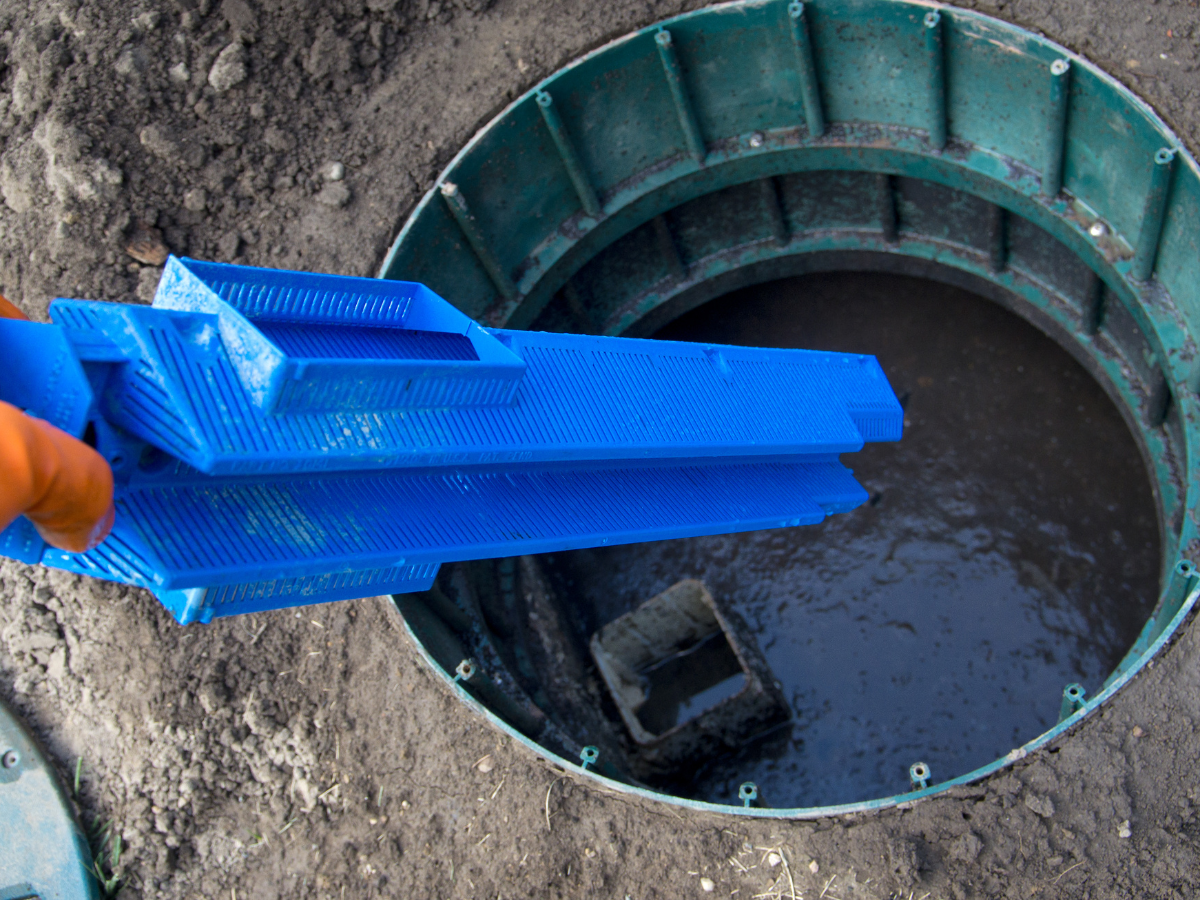
Many septic tank problems can be repaired. Commonly repaired issues include failed baffles, deteriorated lids, minor accessible cracks, and connection problems. However, extensive cracking, structural damage, severely deteriorated tanks, or situations where repair costs approach replacement costs warrant tank replacement. Professional assessment determines repair feasibility—we repair when repairs provide good value and longevity, recommending replacement when repairs don’t make economic sense or won’t provide reliable long-term solutions.
Septic tank baffles fail from age and exposure to corrosive septic environment. Concrete baffles deteriorate from sewage gases and bacteria; steel baffles rust. Most baffles last 15-25+ years but eventually deteriorate. Failed baffle symptoms include system backups, drain field problems despite recent tank pumping, and visible baffle deterioration during tank pumping. Baffle replacement is straightforward repair ($300-$800) protecting drain fields from solids damage. Regular tank pumping provides opportunity to inspect baffle condition, catching deterioration before complete failure occurs.
Septic repair needs show various symptoms including sewage backing up into home, slow drains throughout house, sewage odors around property or in home, wet areas or standing water over septic components, bright green grass over drain field, gurgling sounds from drains, and toilets slow to flush or bubbling. Any of these symptoms warrant professional inspection diagnosing problems and determining needed repairs. Early attention to symptoms prevents problems from worsening and becoming more expensive to repair. Regular maintenance including routine pumping and inspection catches problems before symptoms develop.
Yes, we provide emergency septic repair for urgent problems like backups and system failures. Septic emergencies create health hazards and property damage requiring prompt response. We prioritize emergency calls, responding as quickly as possible to protect health and property. Emergency service may involve additional fees for after-hours work. However, not all septic problems are true emergencies—we help assess urgency, providing immediate service for genuine emergencies while scheduling next-day service for problems that can wait safely. When facing sewage backups or system failures, call immediately for emergency service.
Properly executed septic repairs typically last many years. Baffle replacements last 15-25+ years, pipe repairs last decades with proper materials and installation, tank crack repairs vary (5-15+ years depending on crack severity and repair quality), and component replacements match new component expected lifespans. Repair longevity depends on problem type, repair quality, system maintenance, and system use. Professional repairs using proper materials and techniques provide reliable long-term performance. Poor repairs or temporary fixes fail much sooner requiring repeated service. Investment in professional repair provides lasting solutions extending system life significantly.
Professional septic repair throughout Central Ohio. Contact Drain Bros for diagnosis and expert repair service. Emergency repair available.