Home > Services > Sewer Services > Sewer Line Replacement
Complete Sewer Line Replacement with Modern Materials Throughout Lancaster, Circleville & Chillicothe
When your sewer line has reached the end of its service life or damage is too extensive for repair, complete replacement provides a permanent solution. Drain Bros specializes in professional sewer line replacement throughout Central Ohio, installing modern, durable materials that last 50-100 years. As part of our comprehensive sewer services, we offer multiple installation methods—including traditional excavation and trenchless options—to match your property’s needs and budget.
Our licensed contractors handle every aspect of replacement from initial camera inspection to assess your line through permit acquisition, installation, testing, and complete property restoration. We install only premium materials—PVC, ABS, and HDPE pipes designed for decades of trouble-free service. Every replacement is backed by comprehensive warranties covering both workmanship and materials.
Serving homeowners throughout Lancaster, Circleville, Chillicothe, and surrounding Fairfield, Pickaway, and Ross Counties, we understand that sewer line replacement represents a significant investment. We provide transparent pricing, honest assessments of repair versus replacement options, and financing to make this essential upgrade manageable. When replacement is the right choice, we make the process as smooth and stress-free as possible.
While repairs handle many sewer problems effectively, certain situations call for complete line replacement. Here are scenarios where replacement is the appropriate solution:
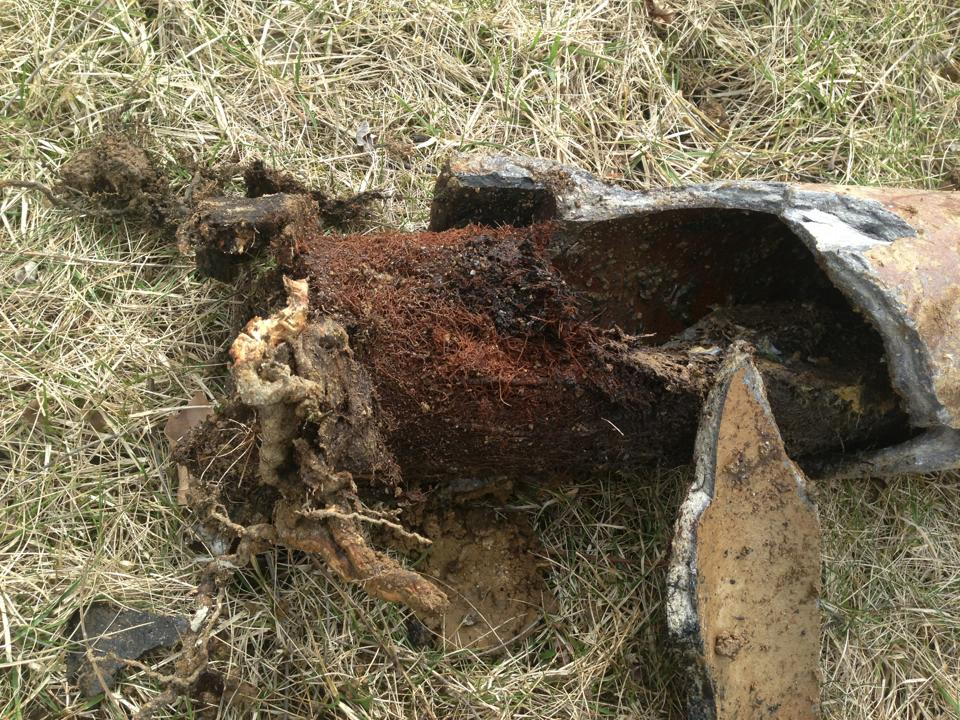
When camera inspection reveals deterioration throughout your line rather than isolated damage, replacement becomes more practical than multiple repairs. Cast iron pipes eventually corrode extensively, clay pipes crack and crumble with age, and obsolete materials like Orangeburg (compressed wood fiber) fail completely. Widespread deterioration means problems will continue developing even after addressing current issues—replacement eliminates this cycle.
Signs of extensive deterioration include rust and corrosion throughout cast iron lines, multiple cracks or fractures in various locations, crumbling or disintegrating pipe sections, and material breakdown from decades of use. When inspection shows the majority of your line is compromised, replacement provides better long-term value than patching individual problem areas.
Certain pipe materials used in older homes are now known to be inadequate or have limited service lives. If your home has these materials, replacement with modern alternatives prevents future problems:
Modern PVC and ABS materials outlast these older options by decades and resist roots, corrosion, and most deterioration causes.
When camera inspection reveals problems in numerous locations along your line, repairing each issue individually becomes impractical and expensive. Multiple breaks, cracks, separated joints, root intrusion points, or corroded sections indicate systemic problems. The cost of addressing each issue separately often exceeds replacement cost—and doesn’t prevent new problems from developing in remaining deteriorated sections.
Consider replacement when you have three or more problem locations, problems spread throughout the line length, recurring issues despite previous repairs, or inspection shows deterioration between current problem spots. Complete replacement addresses everything at once with a single investment.
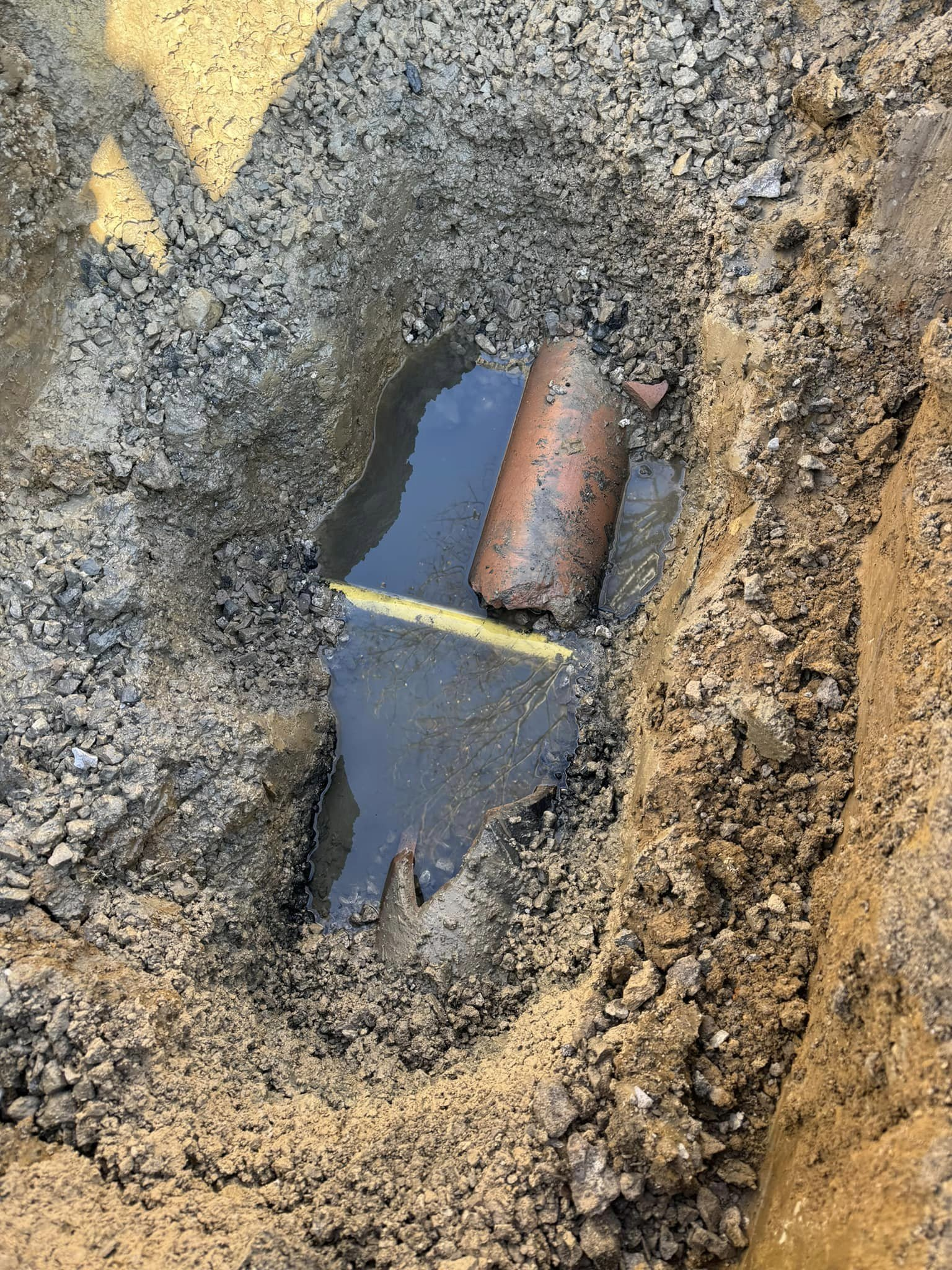
Collapsed pipe sections create total blockages requiring immediate attention. While collapsed areas can sometimes be repaired, collapse often indicates broader structural problems. Soil pressure, ground settling, or surface loads that caused one collapse will likely affect other sections. Camera inspection after clearing a collapse often reveals additional compromised areas waiting to fail.
Replacement becomes the practical choice when collapse is extensive, surrounding pipe shows deterioration, multiple collapses exist, or the collapse resulted from soil/foundation issues affecting the entire line. Modern materials and proper installation techniques prevent future collapse.
If you’re experiencing the same issues repeatedly despite repairs, it signals underlying problems that targeted repairs can’t resolve. Chronic backups, clogs returning every few months, or slow drains persisting after cleaning indicate systemic issues—improper grading, inadequate slope, undersized pipes, or extensive deterioration.
Repeated service calls waste money on temporary fixes. When you’ve spent significant amounts on repairs over several years, replacement makes financial sense. One permanent solution costs less long-term than continuing repairs while problems persist. Calculate your repair expenses over the past 3-5 years—if it approaches replacement cost, you’re better off replacing.
Bellied pipes—sections that sag creating low spots—allow waste to accumulate rather than flow properly. These low spots trap debris, causing recurring clogs. Bellies develop from soil settling, poor original installation, or ground movement. Camera inspection reveals bellies clearly through standing water and sediment in low spots.
Bellied sections can’t be fixed without replacement—you can’t “un-bend” a sagging pipe. Similarly, lines with inadequate slope won’t drain properly regardless of cleaning or repairs. Replacement allows proper grading ensuring waste flows correctly. This permanent fix eliminates chronic slow drains and backups caused by poor drainage.
Tree roots seeking moisture enter sewer lines through any opening—cracks, joints, or porous materials. Once inside, roots grow rapidly, creating massive blockages and causing significant structural damage. While root cutting and regular maintenance and cleaning control roots temporarily, they return if entry points remain.
Extensive root intrusion damages pipes beyond repair—roots crush clay pipes, split cast iron, and penetrate joints throughout systems. When roots have compromised multiple sections or caused structural damage, replacement with root-resistant PVC eliminates the problem permanently. Modern materials installed properly prevent root entry, ending the cycle of clearing and regrowth.
One of the most important decisions is whether to repair or replace. Here’s how to make an informed choice:
Sewer line repair services are appropriate when damage is isolated to specific locations, the rest of your line is in good condition, your pipe material is sound and not obsolete, and repair costs are reasonable relative to replacement. Targeted repairs work well for single breaks from specific events, localized root damage, one or two cracked sections, and isolated joint separations.
Benefits of repair when appropriate include lower immediate cost, faster completion, minimal property disruption, and effective resolution for localized problems. If camera inspection shows most of your line is healthy with just one or two problem spots, repair makes perfect sense.
Replacement becomes the smarter choice when pipes show extensive deterioration, you have multiple problem locations, material is obsolete or near end of service life, repairs have been needed repeatedly, or the line has structural issues like bellying or inadequate slope. While replacement costs more upfront, it provides superior long-term value.
Consider replacement when repair costs exceed 50% of replacement cost, you’ve spent significantly on repairs over recent years, your pipe material has limited remaining service life, or you want permanent resolution instead of ongoing concerns. Modern materials last 50-100 years—far outlasting repaired deteriorating pipes.
While replacement costs more initially, long-term economics often favor replacement over repeated repairs. Example scenarios:
Beyond direct costs, consider avoided emergency situations, eliminated stress and disruption, property value increase, and peace of mind. Modern replacement materials rarely require maintenance beyond routine cleaning every 18-24 months.
We provide honest assessment of whether repair or replacement best serves your situation. If repair will adequately address your problems, we say so. If replacement provides better long-term value, we explain why and present detailed cost comparisons.
Drain Bros offers multiple replacement methods, allowing us to select the most effective, economical approach for your property:
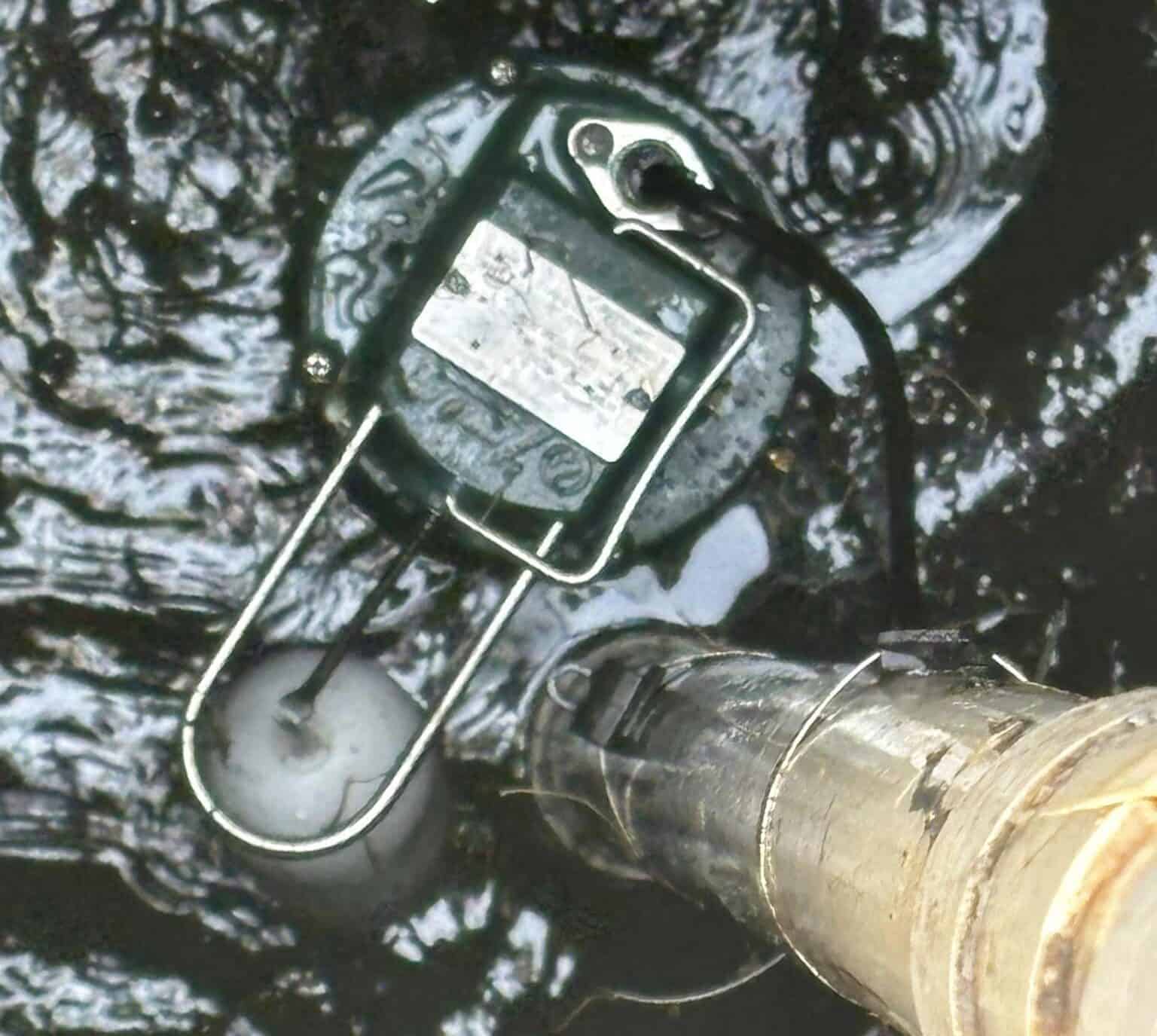
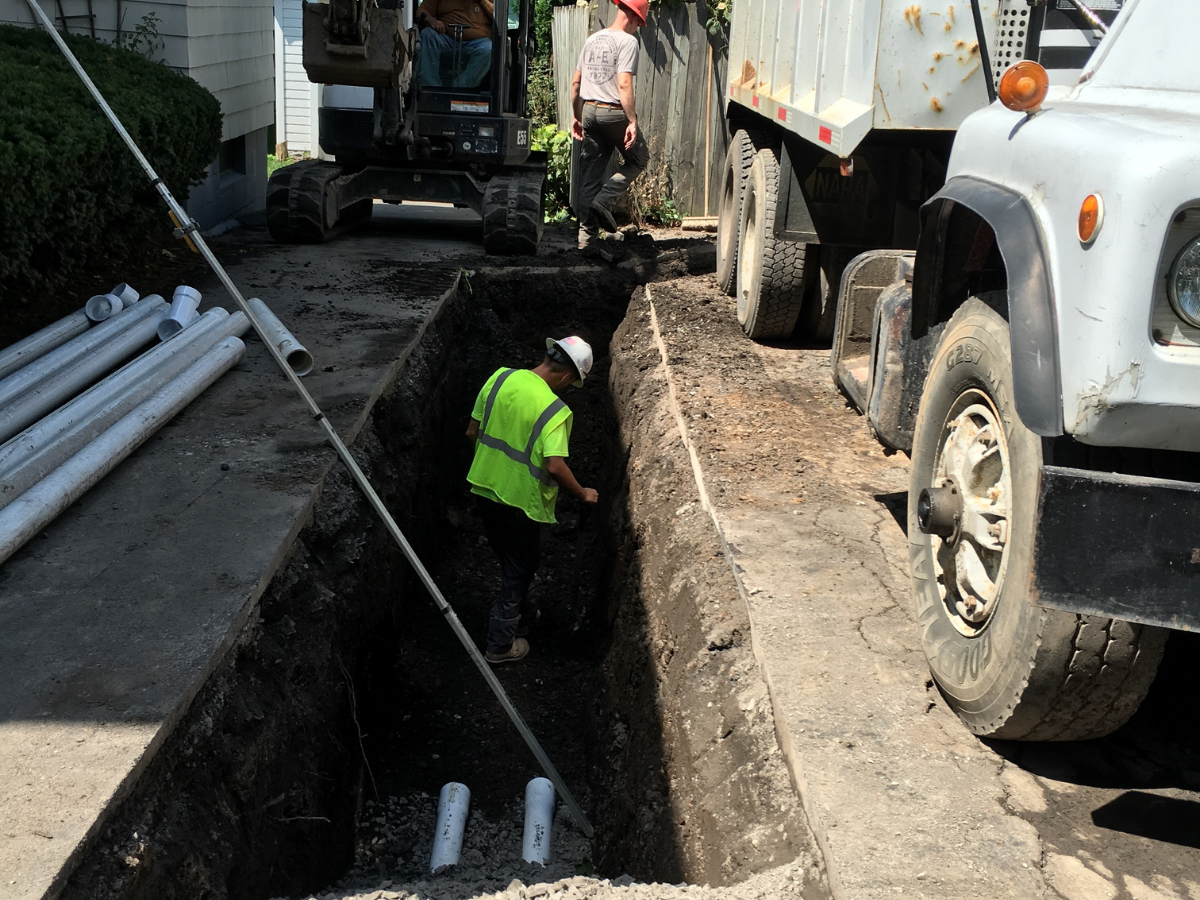
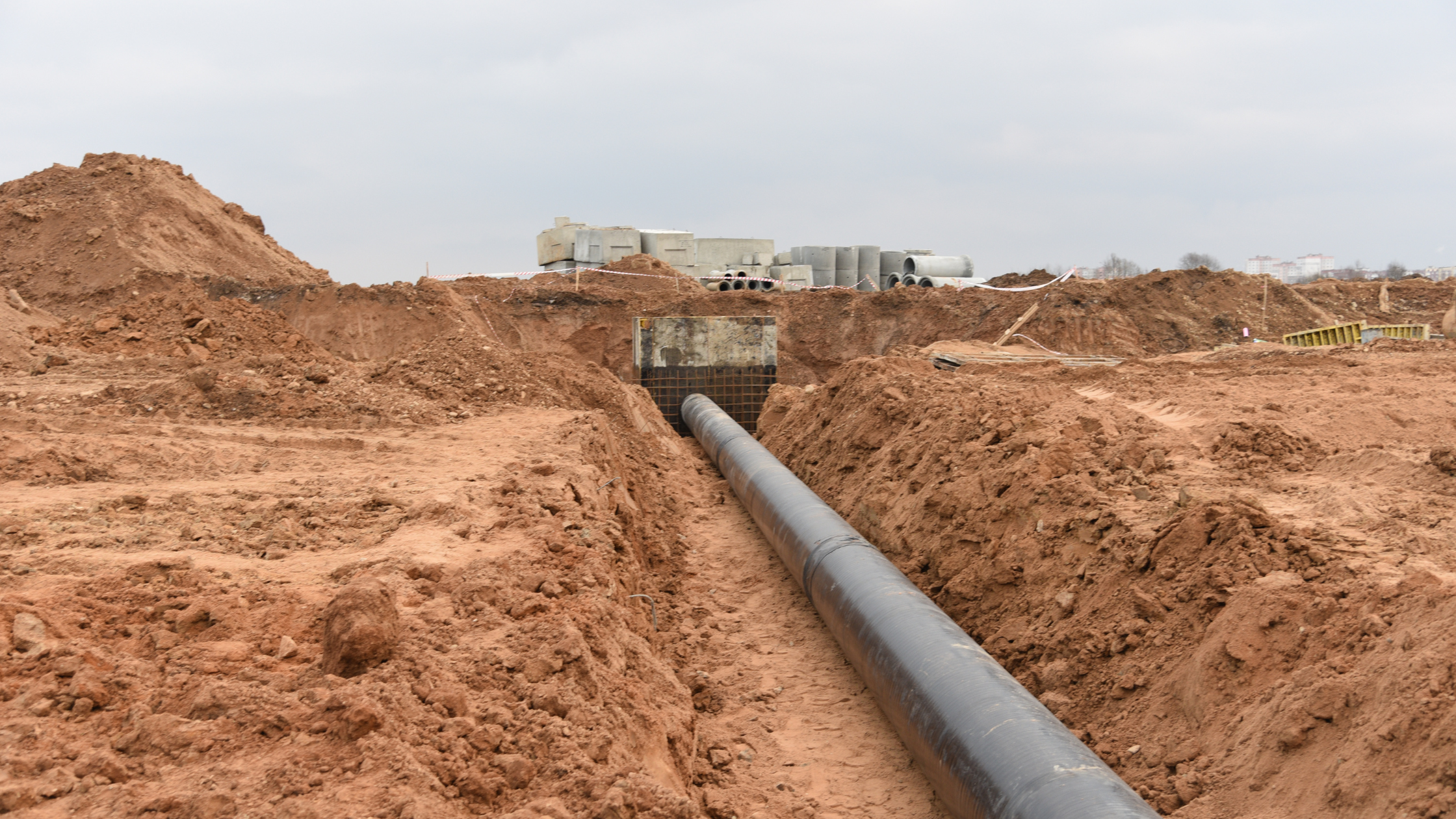
Traditional excavation involves digging a trench along your sewer line’s path, removing old pipe, and installing new materials. While this method requires surface disruption, it’s often the most practical and economical choice for many situations.
We excavate a trench following your existing line’s path, working carefully to protect utilities and structures. The old pipe is removed completely. New pipe—typically PVC or ABS—is installed with proper grading to ensure optimal flow. All connections are secured and tested. The trench is backfilled in compacted lifts preventing future settling. Finally, we restore your property surface.
Complete visual inspection of surrounding conditions, ability to correct grading and routing issues, access to address any complications, generally lower cost than trenchless, and proven reliable method with predictable results. Our experienced professional excavation services team works efficiently, minimizes disruption, and ensures proper restoration.
Pipe bursting is a trenchless replacement method that installs new pipe while simultaneously breaking apart the old line. This approach dramatically reduces surface disruption compared to full excavation.
We excavate small entry and exit pits at your line’s ends—typically just 3-4 feet square. A bursting head is pulled through your existing pipe, fragmenting it outward into the surrounding soil. New pipe—usually HDPE—is pulled into place immediately behind the bursting head. The new pipe occupies the same space as the old one (or slightly larger if upsizing). No full-length trench is needed.
Minimal surface disruption (only small access pits), faster completion than excavation, reduced restoration costs, ability to upsize pipe diameter, and less impact on landscaping and hardscaping. However, pipe bursting costs more than excavation and requires specific conditions—relatively straight lines, enough space for new pipe, and compatible soil conditions.
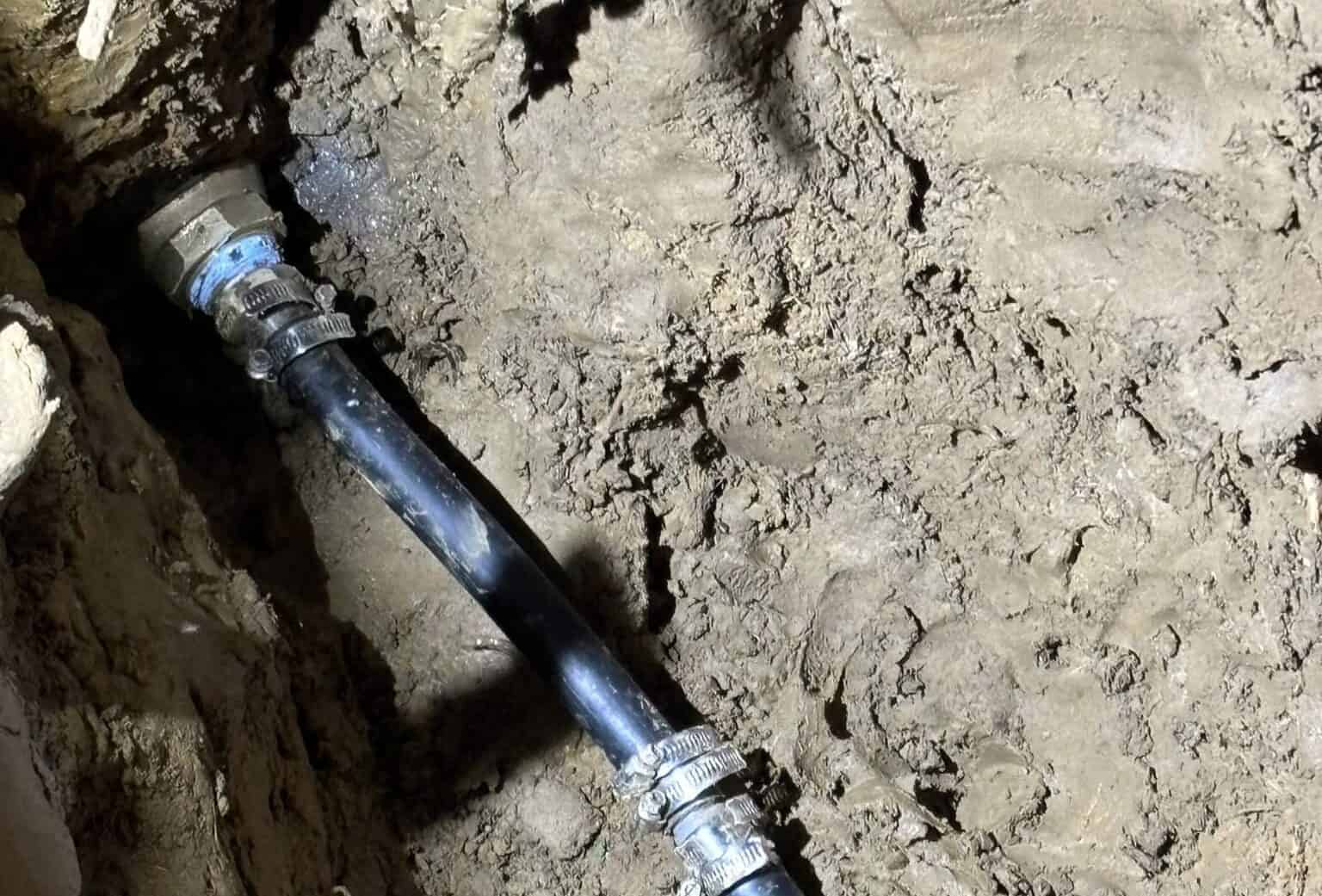
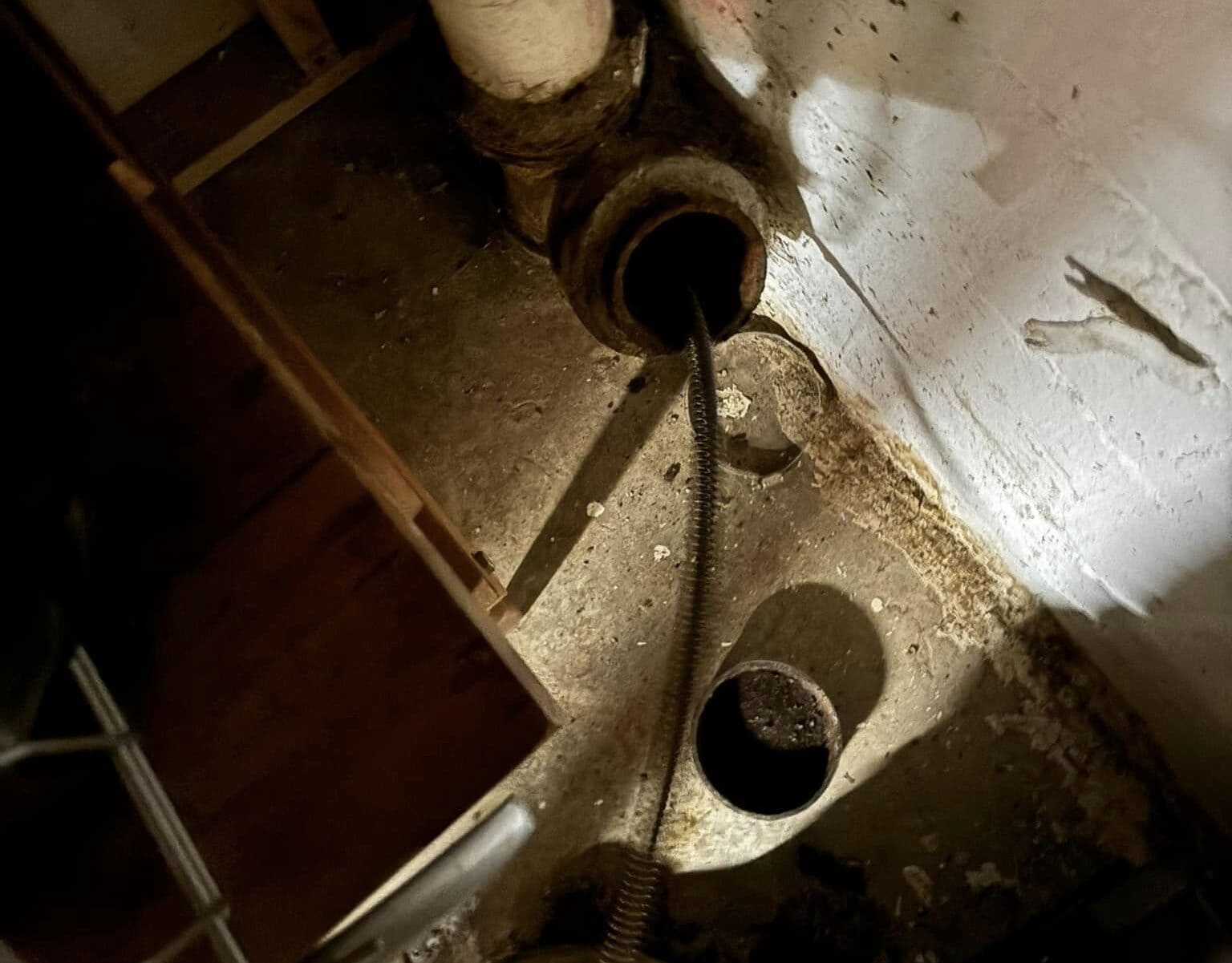
Directional boring creates a new path for your sewer line without disturbing the surface. This method is particularly useful when rerouting is beneficial or existing line path is problematic.
A guided boring machine creates an underground pathway along the desired route. The machine is steerable, allowing precise path control. Once the bore is complete, new pipe is pulled through the created pathway. This method installs completely new lines without following the old line’s path.
Directional boring is typically the most expensive method but provides maximum flexibility in routing. It’s ideal when the existing line’s location is part of the problem—such as running through areas with aggressive tree roots or under structures making future access difficult.
Many projects benefit from combining methods. We might use trenchless technology for sections under driveways or landscaping while excavating easily accessible areas. This balanced approach optimizes cost while minimizing disruption where it matters most.
Hybrid approaches often provide the best overall value—using cost-effective excavation where possible while employing trenchless methods strategically where they provide the most benefit. We evaluate your entire project and recommend the optimal combination of methods.
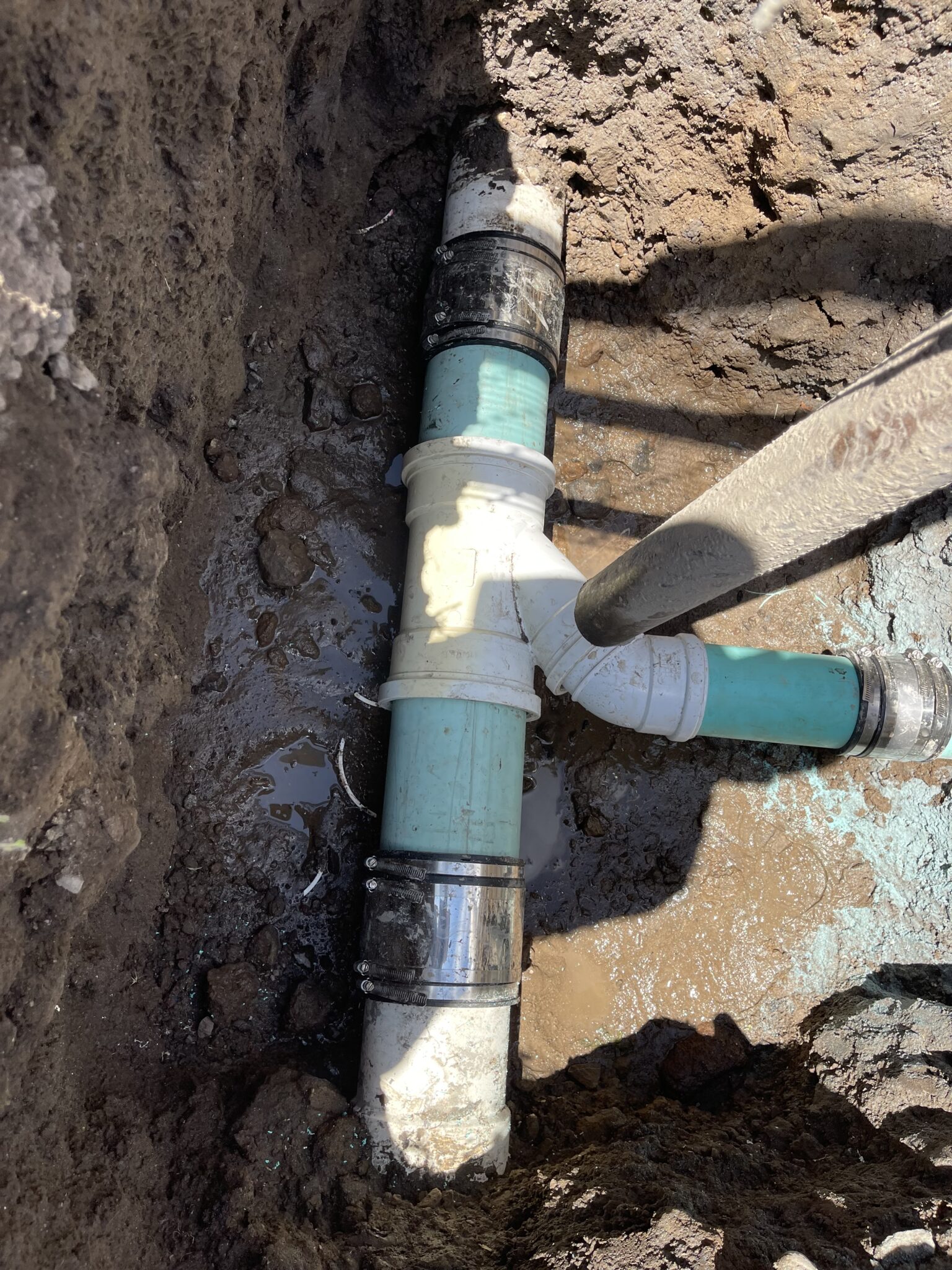
We install only premium materials engineered for decades of trouble-free service. Here are the modern pipe options we recommend:
PVC is the most common material for residential sewer line replacement and our most frequent recommendation. This plastic material offers outstanding durability, longevity, and resistance to most sewer problems.
PVC works excellently for virtually all residential sewer line replacements. It’s our default recommendation for most projects unless specific circumstances favor alternatives. PVC handles normal residential loads, resists typical sewer chemicals, and performs well in most soil conditions.
ABS is another plastic material similar to PVC but with slightly different properties. It’s particularly popular in colder climates and offers comparable performance to PVC.
ABS is preferred in very cold climates where extreme temperature fluctuations occur. It’s also chosen when local code specifically requires it or when its properties match project needs. For Central Ohio’s climate, either PVC or ABS performs excellently—we recommend based on specific project factors and pricing.
HDPE is a flexible plastic material particularly suited for trenchless installation methods. Its flexibility and joining methods make it ideal for pipe bursting and directional boring.
HDPE is our primary choice for trenchless replacement methods—pipe bursting and directional boring. Its flexibility allows navigation of curves, and fusion welding creates completely jointless installations. For traditional excavation, PVC or ABS typically offers better value, but HDPE excels in trenchless applications.
We recommend materials based on your project’s specific needs:
All three materials dramatically outlast older options like cast iron, clay, and Orangeburg. You can expect 50-100 years of trouble-free service regardless of which modern material we install. We provide honest guidance on which material best fits your situation and budget.
Our systematic approach ensures quality installation and keeps you informed throughout your project:
Every replacement project begins with thorough assessment. We perform professional camera inspection documenting your entire line's condition. This inspection reveals extent of damage, confirms replacement is necessary, identifies any complications, and provides documentation for permits and estimates.
We also evaluate your property to determine optimal installation method, assess access and obstacles, plan excavation or trenchless approach, and identify the best routing. This planning phase prevents surprises during installation and ensures accurate cost estimates.
Sewer line replacement requires permits in most municipalities. We handle all permit acquisition, including preparing required documentation, submitting applications, coordinating with officials, and scheduling required inspections. This ensures compliance with all codes and regulations.
During planning, we schedule work at your convenience, arrange for necessary equipment and materials, coordinate utility locates for safe excavation, and establish timeline expectations. Most residential replacements take 2-5 days depending on length and method.
Installation day, our crew arrives with all necessary equipment and materials. We protect your property with barriers and coverings, clearly mark work areas, and maintain organized, safe work zones.
For traditional excavation, we carefully dig trenches following the planned path, locate and mark all utilities, remove old pipe completely, and prepare for new installation. For trenchless work, we excavate only required access pits, set up specialized equipment, and execute pipe bursting or boring.
Throughout installation, we keep you updated on progress and any findings affecting the work. Our focus is completing the job correctly while respecting your property.
We install your new sewer line with meticulous attention to proper grading—ensuring adequate slope for gravity flow—secure connections at all joints, proper bedding and backfill supporting the pipe, and connection to existing systems at house and street.
Before backfilling excavations or completing work, we thoroughly test the new installation through flow testing confirming proper drainage, pressure testing for leaks (if applicable), camera inspection documenting installation quality, and municipal inspection as required by permit.
We never consider a job complete without verification that everything works correctly. Testing confirms you're receiving quality installation that will serve reliably for decades.
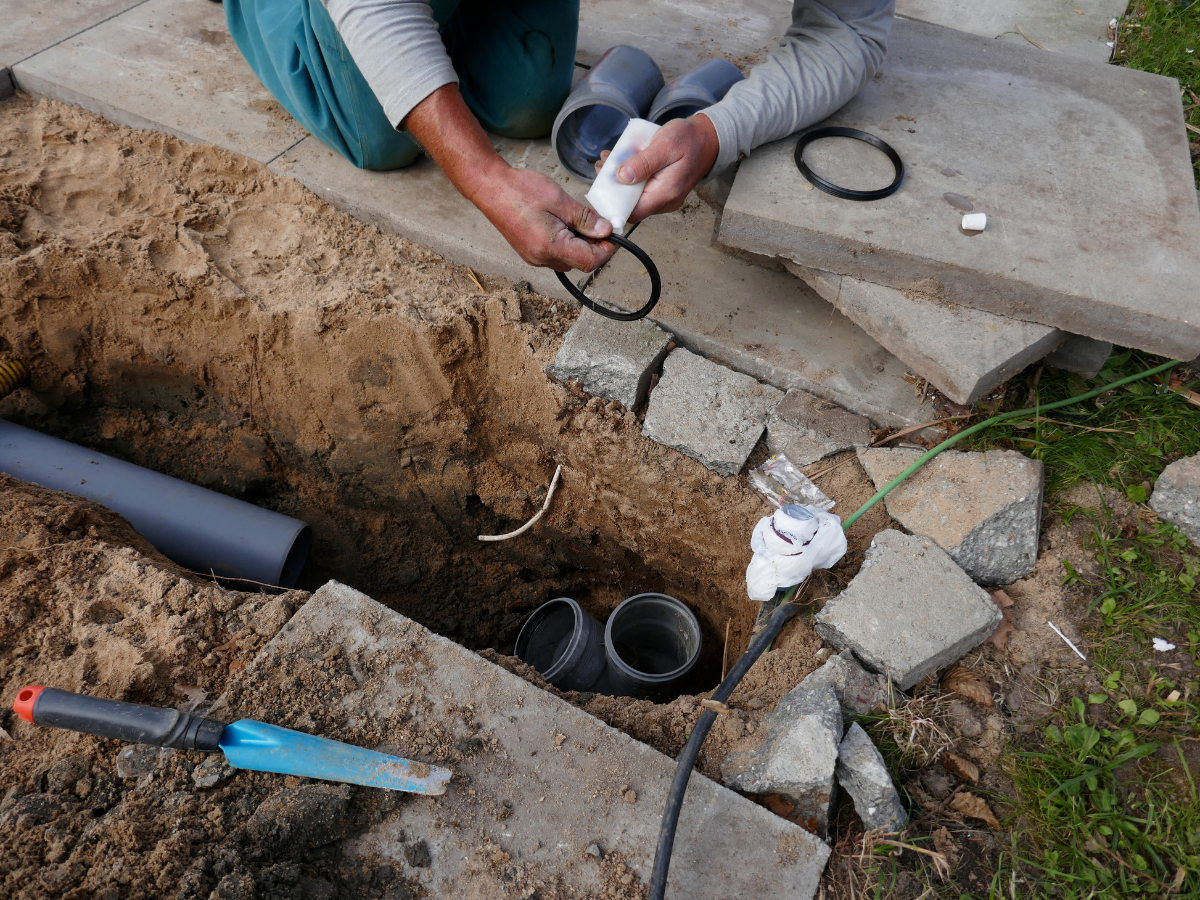
After installation and testing, we restore your property. For excavation work, this includes properly backfilling trenches in compacted lifts preventing settling, grading for proper drainage, restoring or replacing surface materials (sod, concrete, etc.), and thorough cleanup of work areas.
For trenchless work, restoration is minimal—just the small access pit areas. We coordinate with your landscaper if you prefer professional restoration of ornamental areas, or handle basic restoration ourselves as included in our service.
You receive warranty documentation, copies of permits and inspection reports, and maintenance recommendations for your new line. While modern materials require minimal maintenance, periodic cleaning every 18-24 months keeps your system performing optimally.
Replacement eliminates chronic sewer problems permanently rather than providing temporary fixes. You're not just patching one problem—you're installing a complete new system designed for decades of reliable service. This permanent solution means no more emergency calls, recurring clogs, or ongoing concerns about your sewer line. Peace of mind comes from knowing your system is new and reliable.
The modern materials we install—PVC, ABS, and HDPE—have expected service lives of 50-100 years with minimal maintenance. These materials don't corrode, resist root intrusion, and handle sewer environments without deteriorating. Most homeowners will never need another replacement during ownership. This longevity far exceeds older materials like cast iron (40-60 years) or clay (50-80 years under ideal conditions).
New lines perform noticeably better than old, deteriorated systems. Modern materials have smooth interiors that maintain full flow capacity, proper grading ensures optimal drainage, consistent diameter eliminates restrictions, and leak-free connections prevent issues. You'll notice faster draining, elimination of gurgling sounds, and overall better performance throughout your plumbing system.
A new sewer line adds significant value to your property. Savvy home buyers recognize the value of knowing major systems have been upgraded—they won't face expensive sewer replacement for decades. Real estate transactions often require sewer inspections, and a new line passes with flying colors. The investment in replacement often returns 80-100% of cost in increased property value.
We back every replacement with comprehensive warranties covering both workmanship and materials. Warranty terms typically include 1-5 years on workmanship and manufacturer warranties of 25-50 years on materials (often transferable to new owners). This warranty protection provides additional peace of mind and demonstrates our confidence in quality installation.
Trenchless methods excel when preserving surface features is priorities, such as lines under driveways, mature landscaping, or structures. The premium cost is often justified by avoiding extensive restoration expenses.
Traditional excavation is often the most practical and economical choice, especially for lines in open yard areas or when grading corrections are beneficial. Modern excavation techniques minimize disruption, and proper restoration returns your property to excellent condition.
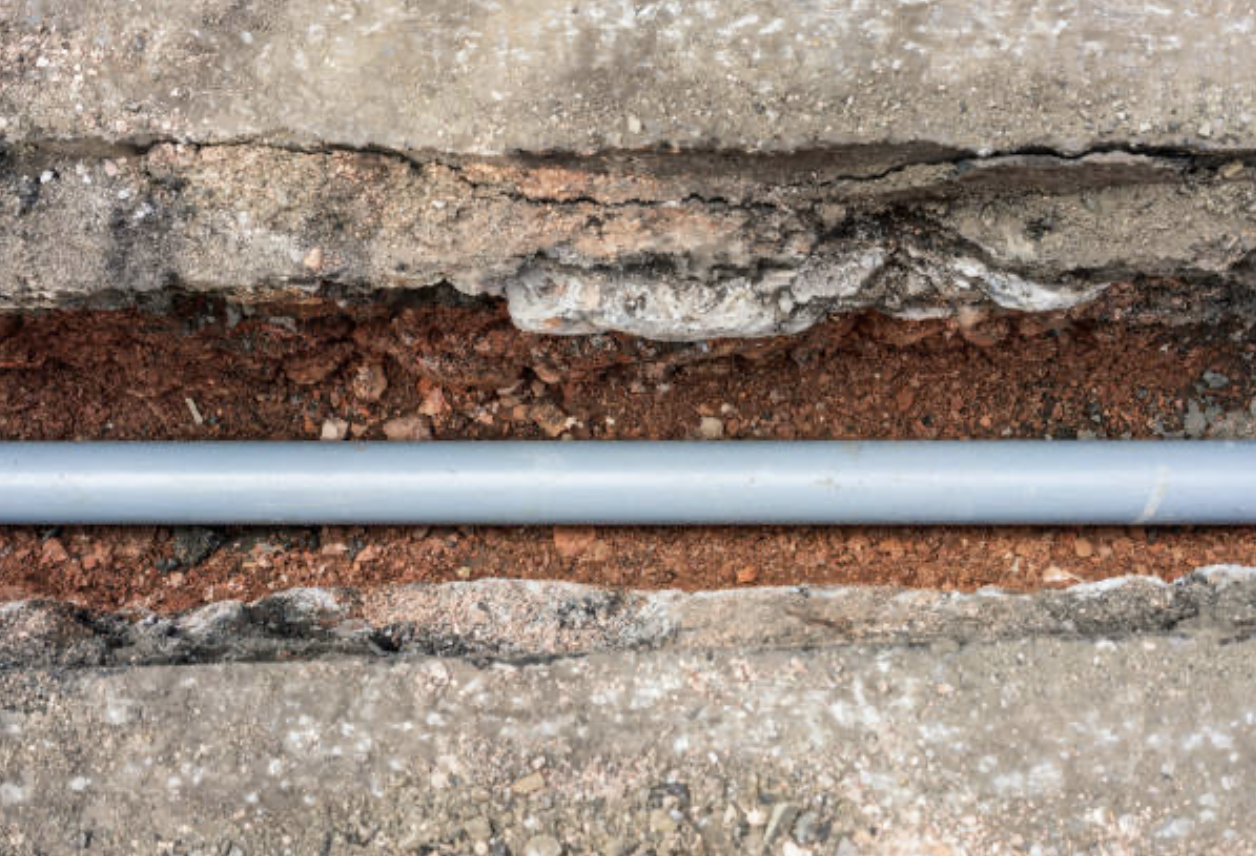
Cost differences depend on project specifics, but general ranges:
However, total project cost depends on length, depth, access, material selected, permit requirements, and restoration needs. Trenchless methods’ higher per-foot cost is often offset by lower restoration expenses—no driveway replacement, minimal landscaping repair, etc.
We provide detailed estimates for applicable methods, showing total project cost for each approach. Sometimes traditional excavation totals less even after restoration. Other times, trenchless is comparable when factoring in comprehensive restoration costs.
Which Method Is Right for You?
The optimal method depends on your specific situation:
We evaluate your property, discuss your priorities, and recommend the approach providing best overall value. There's no one-size-fits-all answer—the right method matches your specific situation.
Sewer line replacement represents a significant investment, but costs vary widely based on project specifics. General residential ranges:
These ranges include materials, labor, permits, testing, and basic restoration. Your specific cost depends on the factors discussed below. We provide detailed written estimates breaking down all costs—no hidden fees or surprise charges.
Multiple variables influence final project cost:
We evaluate all these factors during assessment and provide accurate estimates upfront. Our goal is transparency—you know total project cost before work begins.
We understand replacement represents a major expense. To make this essential upgrade manageable, we offer flexible financing options:
Many customers find financing allows them to proceed with necessary replacement without depleting savings or deferring other important expenses. Contact us to discuss available financing and find options that work for your situation.
While replacement requires substantial upfront investment, the long-term return is significant:
When you factor in avoided repairs, prevented emergencies, and increased property value, replacement often pays for itself over time while providing superior performance and peace of mind.
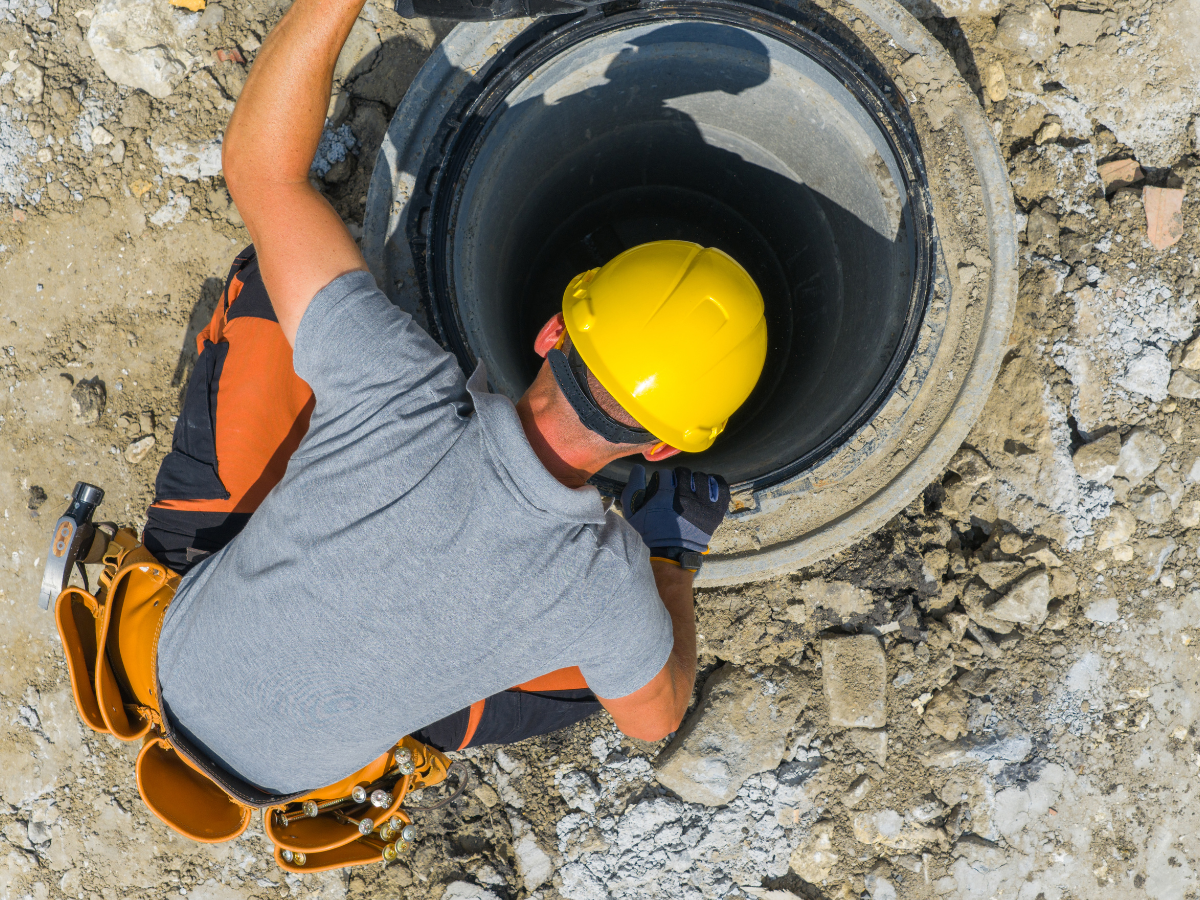
Property restoration is integral to our replacement service—not an afterthought. Our restoration process includes proper backfilling in compacted lifts to prevent settling, grading for appropriate drainage and appearance, basic surface restoration (sod replacement in excavated areas), cleanup of all work areas and debris removal, and final inspection to ensure quality.
For more extensive restoration needs—decorative landscaping, ornamental features, or complex hardscaping—we coordinate with your preferred landscaper or provide referrals to trusted professionals. Our focus is returning your property to excellent functional condition.
Restoration approach depends on what’s affected by installation:
Trenchless methods dramatically reduce restoration needs—typically only 3-4 foot access pits at line ends require attention versus full-length trenches.
Restoration timeline varies by scope:
We provide specific timeline information for your project and care instructions for newly restored areas. Most properties show no lasting signs of work within 3-6 months.
Drain Bros provides expert sewer line replacement throughout Central Ohio with local knowledge and licensed contractors:
Lancaster’s diverse housing—from historic downtown homes with aging sewer systems to modern developments—requires versatile replacement expertise. Our Fairfield County team has extensive experience with Lancaster’s typical sewer configurations, understands local permit and inspection requirements, knows soil conditions affecting installation, and maintains relationships with local officials for smooth project approval.
Lancaster homeowners trust our sewer line replacement in Lancaster for licensed professional service, quality materials and workmanship, comprehensive project management from permits to completion, and warranties protecting your investment.
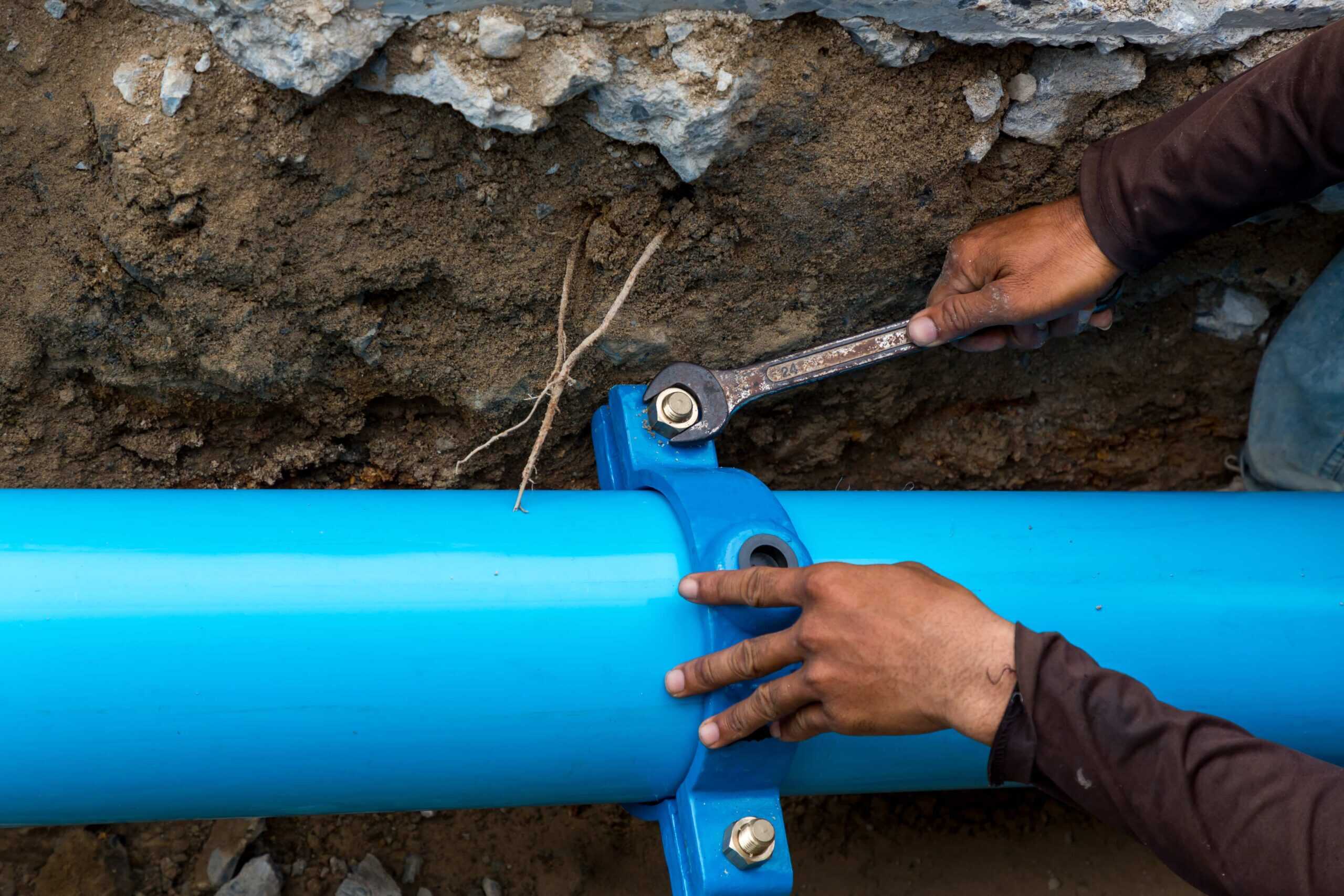
Circleville properties present unique challenges—tight urban lots in downtown areas, varying depths and configurations, and coordination with city utilities. Our Pickaway County contractors have completed hundreds of replacements throughout Circleville, understanding the specific requirements and considerations for successful projects in this market.
For reliable complete sewer replacement in Circleville, count on our local expertise, proven track record, and commitment to quality. We handle all aspects professionally, minimizing disruption to you and your neighbors.
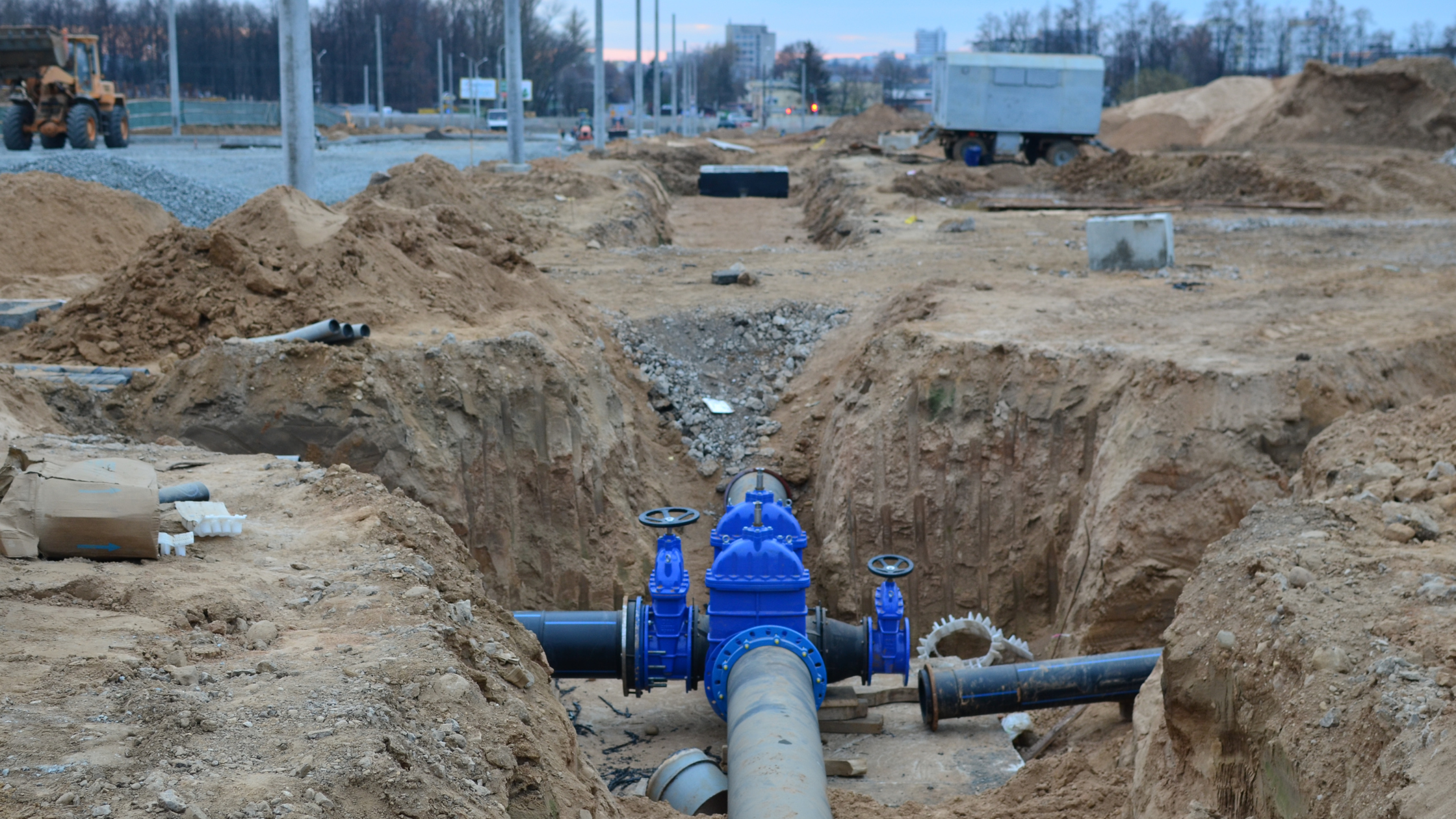
Chillicothe’s landscape varies from compact urban properties to rural homes with long sewer runs. Our Ross County team has experience across all scenarios, from complex urban installations with limited access to rural properties requiring longer line lengths. We adapt our approach to your property’s specific characteristics and requirements.
Trust our new sewer line installation in Chillicothe for comprehensive service including assessment, method selection, professional installation, complete testing, and quality restoration. Licensed, insured, and committed to your satisfaction.
Sewer line replacement requires permits in Lancaster, Circleville, Chillicothe, and most surrounding municipalities. We handle all permit acquisition including preparing required documentation and plans, submitting applications to appropriate authorities, paying permit fees, and scheduling required inspections.
Permit costs typically range from $100-$500 depending on jurisdiction and project scope. This cost is included in our project estimates. Processing usually takes 3-7 business days, which we factor into project scheduling.
Most jurisdictions require inspection before backfilling excavations or completing work. We coordinate all inspections, ensure work meets code requirements, address any inspector comments or requirements, and obtain final approval documentation. You receive copies of all inspection reports for your records.
We ensure full compliance with all applicable codes including local plumbing codes, state regulations, international plumbing code requirements, and utility company specifications. Our licensed contractors stay current on code requirements and ensure your project meets or exceeds all standards. Proper permits and inspections protect you and ensure quality work.
All our replacement work is performed by Ohio-licensed plumbing contractors with extensive experience in sewer line installation. We maintain comprehensive insurance protecting you and your property. Our licenses and insurance give you confidence that your project meets all legal and professional standards.
Unlike contractors specializing in just one method, we offer traditional excavation, trenchless pipe bursting, and directional boring. This versatility means we recommend what's truly best for your situation rather than forcing one approach. We present options with honest pros, cons, and costs for each method.
We install only premium materials from reputable manufacturers—PVC, ABS, and HDPE products backed by substantial manufacturer warranties. Our installation follows industry best practices ensuring proper grading, secure connections, and long-term reliability. Quality materials and workmanship mean decades of trouble-free service.
Every replacement includes comprehensive warranties covering workmanship (typically 1-5 years depending on project scope) and materials (manufacturer warranties of 25-50+ years). These warranties demonstrate our confidence in quality work and provide your peace of mind. Warranty terms are clearly explained before work begins.
We manage every project aspect from initial camera inspection through final restoration. This includes assessment and planning, permit acquisition, professional installation, required inspections, complete testing, and property restoration. One point of contact manages your entire project—no coordinating multiple contractors.
We provide detailed written estimates breaking down all costs before work begins. No hidden fees or surprise charges. We also offer financing options making major investments manageable. Our goal is transparency and making necessary replacement accessible and stress-free.
Sewer line replacement costs vary significantly based on length, depth, installation method, and site conditions. General ranges for typical residential projects (50-150 feet):
Costs include materials, labor, permits, testing, and basic restoration. Factors affecting your specific cost include line length (priced per foot), depth (deeper costs more), installation method selected, material chosen, access and obstacles, soil conditions, permit requirements, and restoration needs.
We provide detailed free estimates after assessing your property. The estimate breaks down all costs clearly so you understand exactly what you’re paying for. While replacement represents significant investment, modern materials last 50-100 years—making it typically a once-in-a-lifetime expense.
Timeline depends on project scope and method. Typical residential replacements take 2-5 days for active work. Detailed timeline breakdown:
From your initial call to completed restoration typically spans 1-3 weeks including permit time and scheduling. We work efficiently to minimize disruption while never sacrificing quality. Weather delays may extend outdoor work. We provide specific timeline estimates for your project.
Not necessarily. Whether you need complete replacement or targeted repair depends on your line’s condition. Complete replacement makes sense when pipes show extensive deterioration throughout, you have multiple problem areas, material is obsolete (Orangeburg, aging clay), repairs have been needed repeatedly, the line has structural issues (bellying, inadequate slope), or repair costs approach replacement cost.
Targeted repair is appropriate when damage is isolated, most of your line is sound, pipe material is good quality, and repair costs are reasonable. We perform thorough camera inspection and provide honest assessment. If repair adequately addresses your problems, we recommend it. If replacement provides better long-term value, we explain why with clear cost comparisons. Our goal is helping you make the best decision for your situation—not maximizing project cost.
Trenchless sewer replacement installs new pipe without full-length excavation. The primary trenchless method is pipe bursting, which works by excavating small entry and exit pits (3-4 feet) at line ends, pulling a bursting head through the existing pipe that fragments the old pipe outward, and simultaneously pulling new pipe (usually HDPE) into place behind the bursting head.
Benefits include minimal surface disruption, reduced restoration needs, faster completion, and ability to upsize pipe diameter. Limitations include higher cost, requirements for relatively straight lines, and less ability to correct grading. Trenchless is ideal under driveways, mature landscaping, or structures you want to preserve. We evaluate whether your property and line are suitable for trenchless methods.
We minimize property disruption through careful work practices and appropriate method selection. For traditional excavation, we dig only necessary trenches following the line path, protect surrounding landscaping with barriers, save existing sod when possible, and restore excavated areas properly. While grass may take one season to fully recover, we ensure proper restoration.
For trenchless work, surface disruption is minimal—only small access pits at line ends require excavation. Everything in between remains undisturbed. We coordinate with your landscaper for replanting ornamental areas if desired. Property restoration is included in our estimates—you know total costs upfront.
We provide comprehensive warranties on all replacement work including workmanship warranty (typically 1-5 years depending on project scope) covering our installation, and materials warranty (manufacturer warranties of 25-50+ years) on pipes and fittings used. Many material warranties are transferable to new property owners—valuable for resale.
Warranty terms are clearly explained before work begins and provided in writing upon completion. If any issue arises with our work during the warranty period, we return to make it right at no additional charge. These warranties demonstrate our confidence in quality materials and professional installation.
Don’t let sewer line problems disrupt your life. Contact Drain Bros for professional assessment and honest recommendations about replacement throughout Central Ohio.
Complete our online form and we'll contact you within 2 hours during business hours to schedule assessment.
Flexible financing options make replacement manageable. Contact us to discuss available plans.