Home > Services > Excavation Services > Trenching Services
Expert Utility & Drainage Trenching Throughout Lancaster, Circleville & Chillicothe
Trenching—narrow, linear excavation for utilities, drainage, and underground infrastructure—is specialized excavation work demanding precision, safety awareness, and understanding of both excavation techniques and the systems being installed. Drain Bros provides professional trenching services throughout Central Ohio, handling utility line trenching for water, sewer, gas, and electric services, drainage system trenching for French drains and drainage piping, footer drain trenching around foundations, irrigation system trenching, and service line trenching connecting properties to infrastructure.
As part of our comprehensive excavation services, trenching differs from general excavation through its linear nature, narrow width requirements, specific depth controls, and integration with pipe or conduit installation. Professional trenching requires calling 811 locating existing utilities before digging, excavating to precise depths meeting code requirements, maintaining proper widths accommodating pipes and bedding, creating proper slopes for gravity-flow systems, and protecting both workers and existing infrastructure. Our experienced crews have dug thousands of trenches, understanding the nuances of different soil conditions, utility types, and installation requirements.
Serving Lancaster, Circleville, Chillicothe, and throughout Fairfield, Pickaway, and Ross Counties, we handle trenching projects from simple residential utility connections to complex multi-trench commercial installations. Central Ohio’s clay soil presents unique trenching challenges—maintaining trench stability, managing water infiltration, and achieving proper compaction during backfill. Our experience with local conditions ensures efficient, safe trenching regardless of soil challenges encountered.
Trenching is specialized excavation creating long, narrow excavations—typically 1-3 feet wide and extending for tens or hundreds of feet. This differs from general excavation which creates larger, open areas. Trenching characteristics include linear path following utility or drainage routes, narrow width just accommodating pipes/conduit plus working room, specific depths determined by utility codes or drainage requirements, and typically vertical or near-vertical walls requiring shoring in deeper trenches. Trenching’s narrow, linear nature requires different equipment and techniques than general excavation. We use specialized trenching equipment and methods optimized for this type of work.
Different applications require different trenching approaches:
Each trench type has specific requirements. We match trenching approach to your project’s specific needs.
Trenching becomes necessary for installing underground utilities requiring connection to mains, installing drainage systems like French drains or footer drains, connecting service lines to buildings, installing irrigation systems, and burying electric or telecommunications lines. While some small projects might use alternatives like directional boring, most underground installations require traditional trenching providing direct access for proper pipe installation, bedding, and backfill. Professional trenching ensures installations meet all codes and function correctly for decades.
Utility line trenching is our core service. We trench for water service lines connecting properties to water mains, sewer lines connecting to municipal sewers or septic systems, gas lines for natural gas service, electric service lines for underground power, and telecommunications including phone, cable, and fiber. Each utility has specific trenching requirements—depths meeting codes, widths accommodating pipes and working room, and proper separation when multiple utilities are present. Our utility line excavation expertise ensures code-compliant trenching for all utility types.
Drainage trenching focuses on systems managing groundwater and surface water. We trench for French drain installation intercepting groundwater, yard drainage systems directing surface water, downspout drainage lines carrying roof runoff, and drainage system connections linking components. Drainage trenching requires precise slope control—minimum 1% grade (1/8 inch per foot) ensuring gravity flow. Too shallow and water doesn’t flow; too steep and it flows too fast potentially causing problems. We excavate drainage trenches with exact slopes ensuring proper function.
Service line trenching connects individual properties to public infrastructure. This work includes trenching from buildings to street mains, crossing driveways and sidewalks, trenching through lawns and landscaped areas, and coordinating with utility companies for connections. Service line trenching often involves working in developed areas requiring care protecting existing features, minimizing disruption, and coordinating with municipalities for permits and inspections. We handle service line trenching efficiently, completing connections while minimizing property impact.
Footer drains around foundations prevent water accumulation and basement moisture. We trench for perimeter footer drains around building foundations, drain lines carrying water from footer drains to discharge points, and connections to sump pump discharge lines. Footer drain trenching during foundation excavation allows installation before backfilling. For existing buildings, we trench alongside foundations installing footer drains retroactively. Footer drain trenching requires proper depth and slope ensuring effective drainage protecting foundations from water damage.
Irrigation system installation requires trenching for main lines, lateral lines to zones, and electric lines to valves and controllers. Irrigation trenching is typically shallow—12-24 inches deep—but extensive, covering large lawn areas. We trench irrigation systems minimizing lawn damage, establishing proper depths protecting lines from damage, creating pathways for efficient pipe routing, and coordinating with irrigation contractors for installation. Proper irrigation trenching ensures systems function reliably without frost damage or lawn maintenance interference.
Every trenching project begins with 811—Ohio's utility location service. Calling 811 at least 48 hours before trenching notifies all utility companies operating in the area, who send locators to mark buried utilities with flags and paint. This critical step identifies existing water, sewer, gas, electric, and telecommunications lines preventing dangerous, expensive utility strikes. We never trench without proper utility location—it's legally required and essential for safety. Even "simple" projects can encounter unexpected utilities; 811 provides crucial information protecting everyone involved.
With utilities located, we plan trench routes and specifications. Planning includes determining optimal trench path balancing directness with obstacle avoidance, calculating required depths meeting code minimums and system requirements, determining necessary trench width accommodating pipes and working room, planning slopes for gravity-flow systems, and identifying access points for equipment. We mark proposed trench routes for your approval before excavation begins. Good planning prevents problems during trenching and ensures installations meet all requirements.
Our crews excavate trenches with precision using appropriate methods for conditions. We use machine trenching with excavators or trenchers for most work, hand-dig near marked utilities within tolerance zones (24 inches), maintain specified trench widths and depths throughout runs, create proper slopes for drainage applications, and protect trench walls from collapse through sloping or shoring as needed. Continuous depth checking ensures trenches meet specifications. For residential excavation services, we work carefully minimizing lawn damage while achieving necessary trench specifications.
After pipe or conduit installation and inspection approval, we backfill trenches properly. Backfill procedures include placing specified bedding material around pipes (typically sand or pea gravel), backfilling in lifts (layers) with proper compaction, using appropriate backfill materials for different depths, restoring surface grades matching original conditions, and coordinating final restoration including seeding or sodding. Proper backfill prevents trench settlement that creates surface depressions or damages buried utilities. We compact thoroughly ensuring stable trenches that won't settle significantly over time.
Trench dimensions depend on what’s being installed but typically follow general patterns. Standard dimensions include width of 12-24 inches for most utility lines (wider for larger pipes or multiple lines), depth determined by utility type and code requirements, and sloped or vertical walls depending on depth and soil conditions. Trenches must be wide enough for pipe plus bedding material on sides (typically 3-6 inches per side) and working room for installation. Depth requirements vary significantly by utility type and application—we ensure all trenches meet applicable standards.
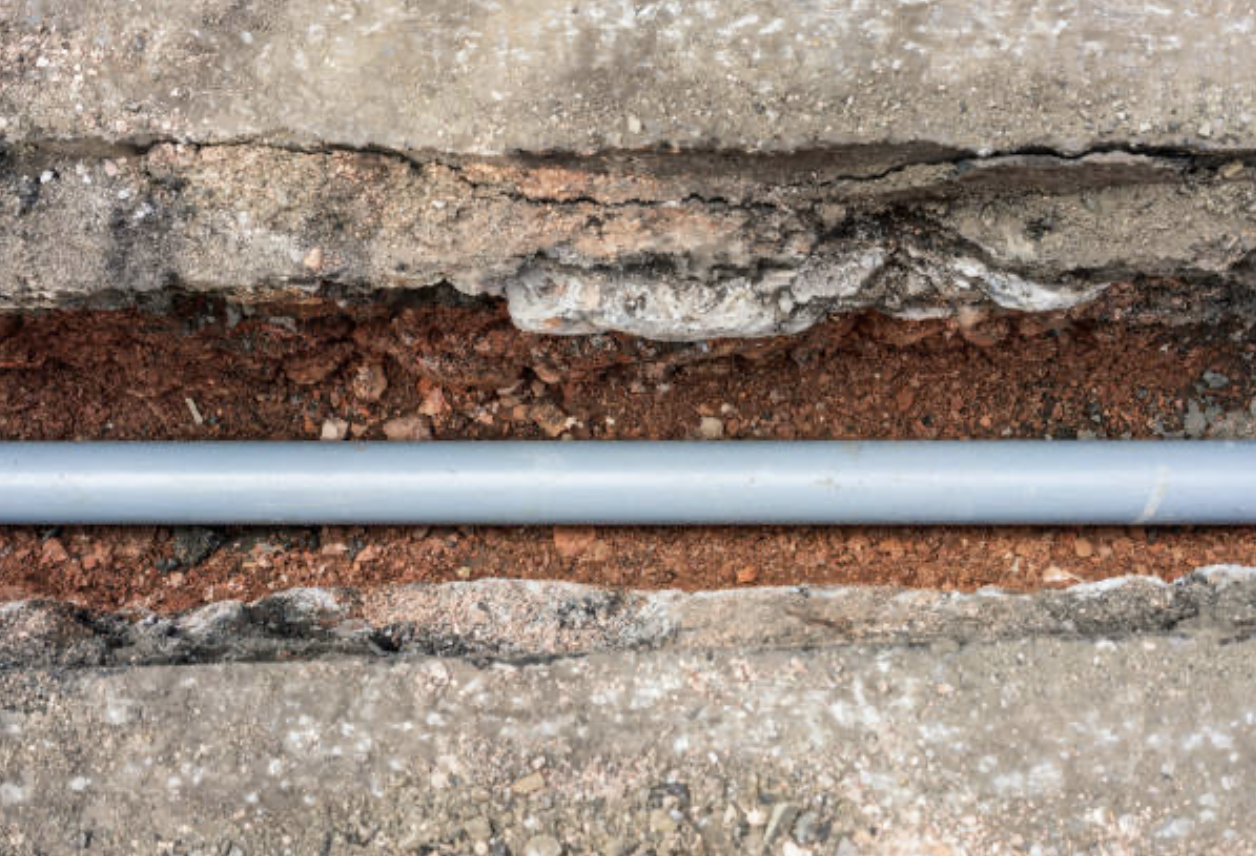
Different applications require different trenching depths:
These are typical depths—actual requirements depend on specific codes, conditions, and engineering specifications. We trench to exact depths required for each application.
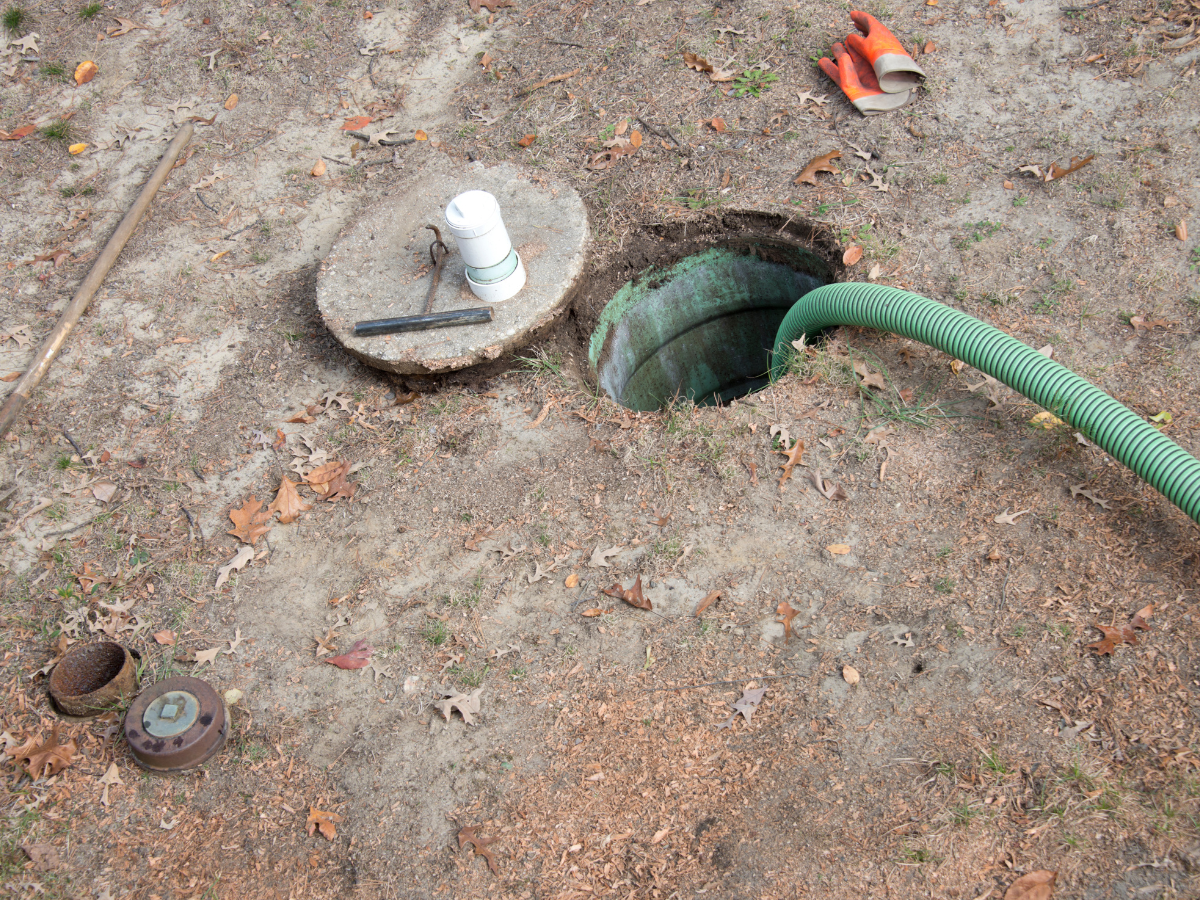
Trench width must accommodate pipe diameter plus bedding material and working room. Width calculations include pipe diameter, bedding requirements (typically 3-6 inches per side), working room for installation (varies by depth and pipe type), and access for proper backfill and compaction. Narrower trenches minimize excavation and backfill but must provide adequate room. Wider trenches ease installation but increase excavation volume and costs. We balance these factors determining optimal trench widths for each project—narrow enough for efficiency, wide enough for proper installation.
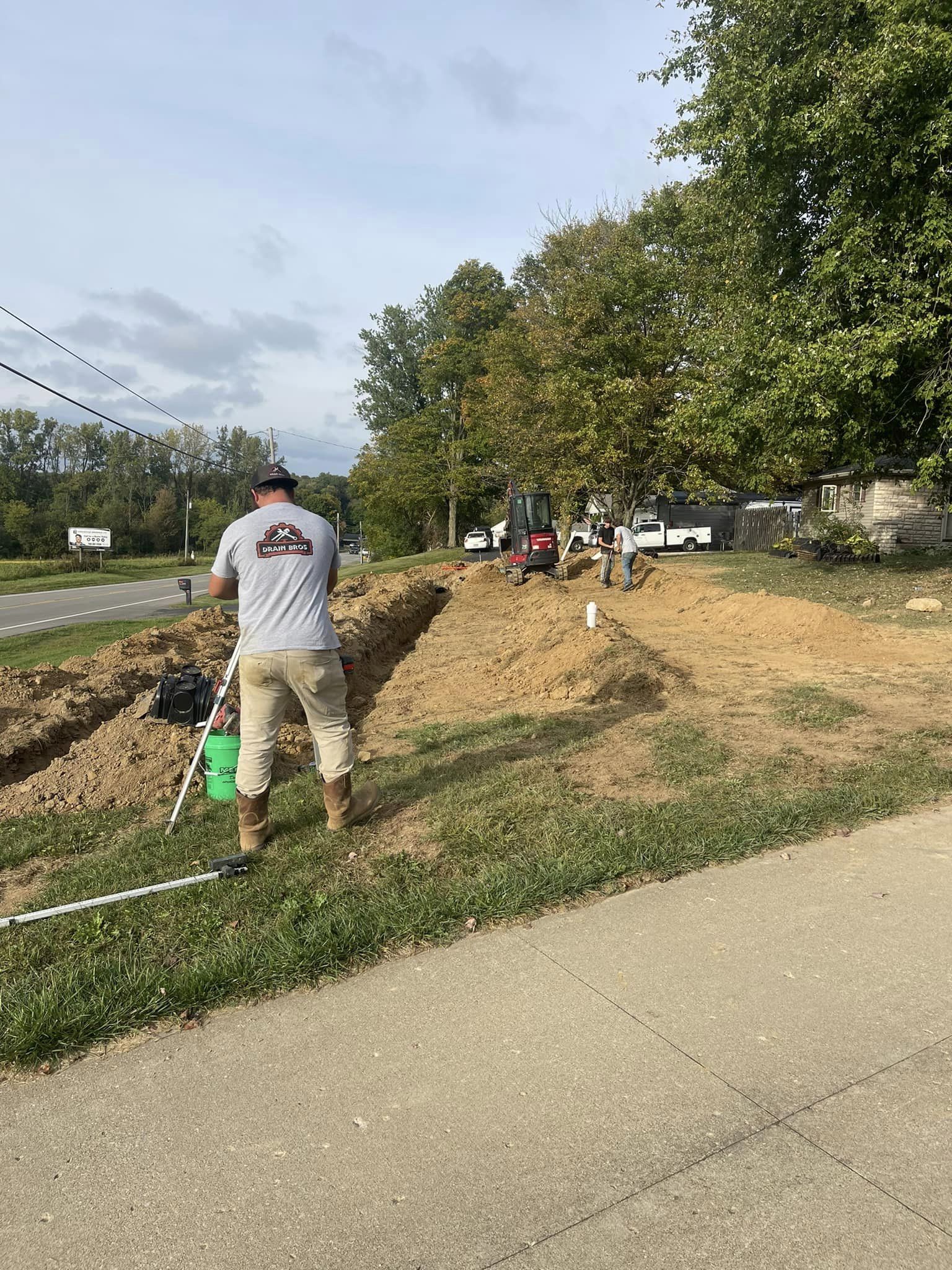
Professional trenching uses specialized equipment matched to project requirements:
Equipment selection depends on trench depth and width, soil conditions, site access, and proximity to existing utilities. We use appropriate equipment ensuring efficient, safe trenching.
Most trenching uses machines for efficiency, but some situations require hand trenching. Machine trenching advantages include fast excavation, consistent trench dimensions, and economical for longer trenches. Hand trenching is necessary near marked utilities (within 24-inch tolerance zones), in extremely tight spaces limiting equipment access, around delicate landscaping requiring careful work, and for small repairs not justifying equipment mobilization. We use hand trenching where necessary ensuring safety while maximizing efficiency through machine trenching where appropriate.
Some situations allow trenchless installation alternatives. Trenchless methods include directional boring creating horizontal pathways without trenching, pipe bursting replacing existing pipes by breaking old pipe while pulling new pipe, and horizontal drilling for longer runs under obstacles. Trenchless advantages include minimal surface disturbance, effective under obstacles (driveways, buildings), and faster in some applications. However, trenchless methods can’t be used for all applications—some installations require open trenching for proper pipe bedding, slope control, or inspection access. We assess whether traditional trenching or trenchless methods best serve your project.
Drainage systems relying on gravity flow require proper trench slopes. Minimum slope is typically 1% grade (1/8 inch per foot or 1 foot per 100 feet)—adequate for most drainage applications. Steeper slopes (2-4%) provide better flow and self-cleaning but may not be achievable on flatter properties. Slope must be continuous throughout trench length—dips or negative slopes create problem areas where water collects. We use laser levels and string lines ensuring consistent slopes throughout drainage trenches. Proper slope is critical—even perfect pipe installation fails without adequate slope for drainage.
French drain installation requires specialized trenching. French drain trenches are typically 12-18 inches wide and 18-24 inches deep (deeper for foundation applications), sloped at minimum 1% grade toward discharge points, and filled with gravel surrounding perforated drainage pipe. We trench French drains ensuring proper depth intercepting groundwater, adequate width for effective gravel and pipe placement, continuous slope ensuring drainage, and appropriate routing to discharge locations. Our experience with drainage system installation ensures French drain trenches function correctly solving groundwater problems.
Footer drains around foundations require trenching alongside foundation footers. Footer drain trenching is typically done to footer depth (bottom of foundation), sloped toward collection points or sump pits, and 12-18 inches from foundation wall. We trench footer drains during new construction or retrofit for existing foundations, ensuring proper depth at footer level, adequate slope for drainage, protection of foundation during trenching, and connection to appropriate discharge points. Properly installed footer drains prevent basement moisture and foundation water problems.
Utility strikes are preventable but serious events. Protection measures include always calling 811 before trenching, respecting marked utility locations and tolerance zones, hand-digging near marked utilities, using appropriate excavation techniques near utilities, and maintaining awareness for unmarked utilities. Even with proper 811 location, unexpected utilities occasionally appear—old services, private lines, or inaccurate records. We proceed cautiously exposing unexpected installations safely. Our safety record reflects commitment to preventing utility strikes through proper procedures and constant vigilance.
Trenches deeper than 4 feet require protective systems preventing wall collapse. Protection options include sloped walls angled back from vertical preventing collapse, trench boxes (shoring) protecting workers in deeper trenches, and shoring systems supporting vertical walls. OSHA trenching safety standards mandate protection systems based on depth and soil conditions. We implement appropriate protection ensuring worker safety. Trench collapse causes deaths annually—professional contractors take trench safety seriously, implementing proper protective measures for all deep trenching.
Trench depth affects required safety measures. Depths under 4 feet generally require no special protection in stable soil, though soil conditions must be monitored. Depths of 4-20 feet require protective systems—sloping, shoring, or trench boxes. Depths over 20 feet require engineering design of protective systems. Most residential trenching falls in 2-6 foot range requiring assessment of soil conditions and protection needs. We evaluate each trench implementing appropriate safety measures protecting workers throughout excavation and installation processes.
Trenching costs vary by length, depth, and conditions. General ranges:
These costs cover trenching labor and equipment only—pipe materials, bedding, and installation cost additional. Costs vary by soil conditions, access, and site-specific factors. We provide detailed estimates after assessing your specific project requirements.
Several variables influence trenching costs:
Site-specific assessment reveals actual conditions allowing accurate cost estimates.
Professional trenching provides value beyond simple excavation. Benefits include proper depths meeting all code requirements, adequate widths ensuring proper installation, precise slopes for drainage applications, utility strike prevention through proper procedures, appropriate shoring and safety measures, proper backfill and compaction preventing settlement, and passing required inspections. DIY or unprofessional trenching risks incorrect depths causing system failures, utility strikes creating expensive damages and hazards, improper slopes causing drainage problems, inadequate backfill creating settlement, and safety hazards from trench collapse. Professional trenching’s cost is modest compared to these potential problems.
Lancaster and Fairfield County properties benefit from our extensive local trenching experience. We’ve trenched thousands of utility and drainage lines throughout Lancaster including water and sewer service connections, gas line installations, drainage system trenching, and footer drain installations. Our familiarity with Lancaster’s soil conditions—typical clay content and seasonal variations—ensures efficient trenching adapted to local challenges. Trust our utility trenching in Lancaster for professional linear excavation services.
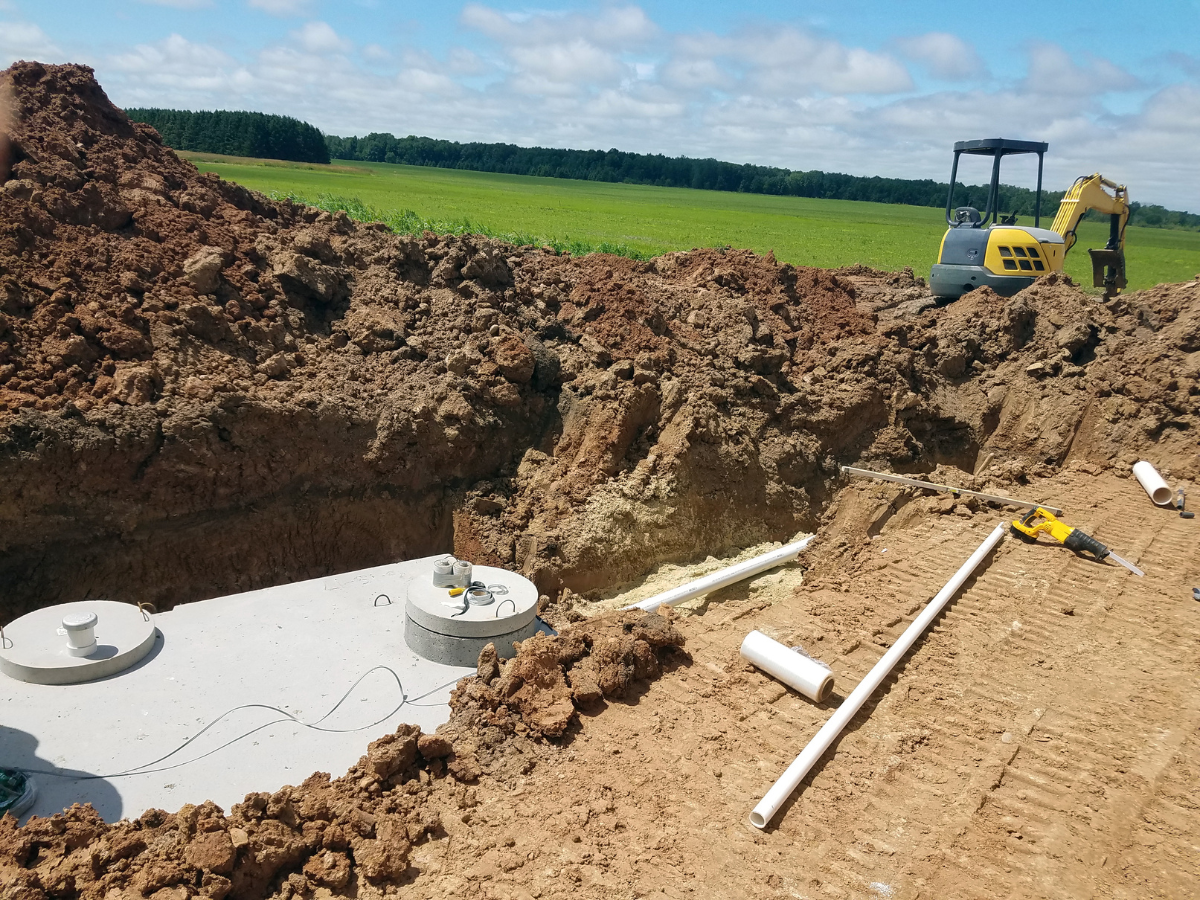
Circleville and Pickaway County trenching projects receive professional attention whether utility connections, drainage installations, or service line work. We’ve handled diverse trenching throughout Circleville including residential utility trenching, French drain installations, irrigation system trenching, and commercial utility work. Our experience with Circleville’s conditions and local requirements ensures compliant, efficient trenching. Choose our drainage trenching in Circleville for quality trenching services.
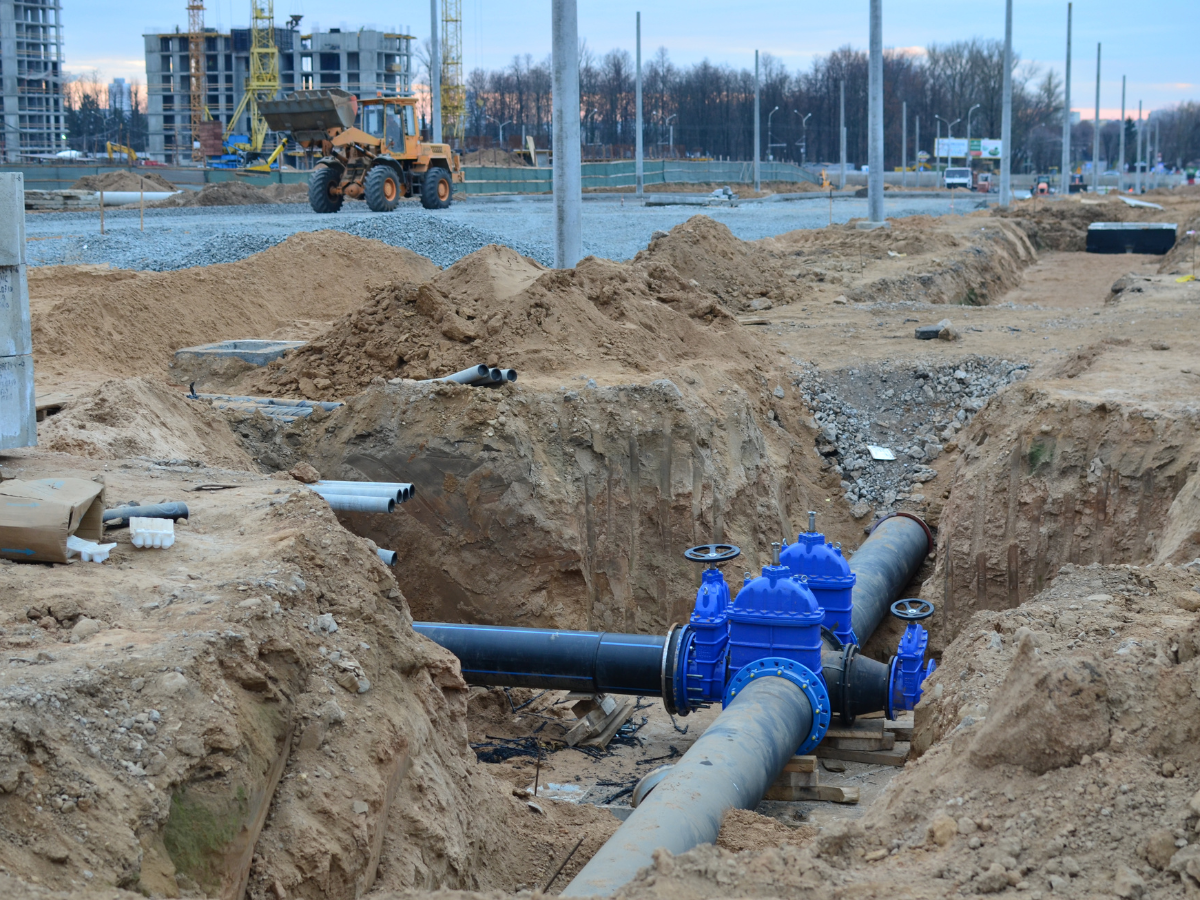
Chillicothe and Ross County trenching projects—from hillside properties to flat lots, residential to commercial—all benefit from our trenching expertise. We’ve handled extensive trenching throughout Chillicothe including challenging terrain, rock conditions, and utility-dense areas. Our local knowledge combined with professional capabilities ensures successful trenching regardless of challenges encountered. Count on our trench digging in Chillicothe for reliable trenching services.
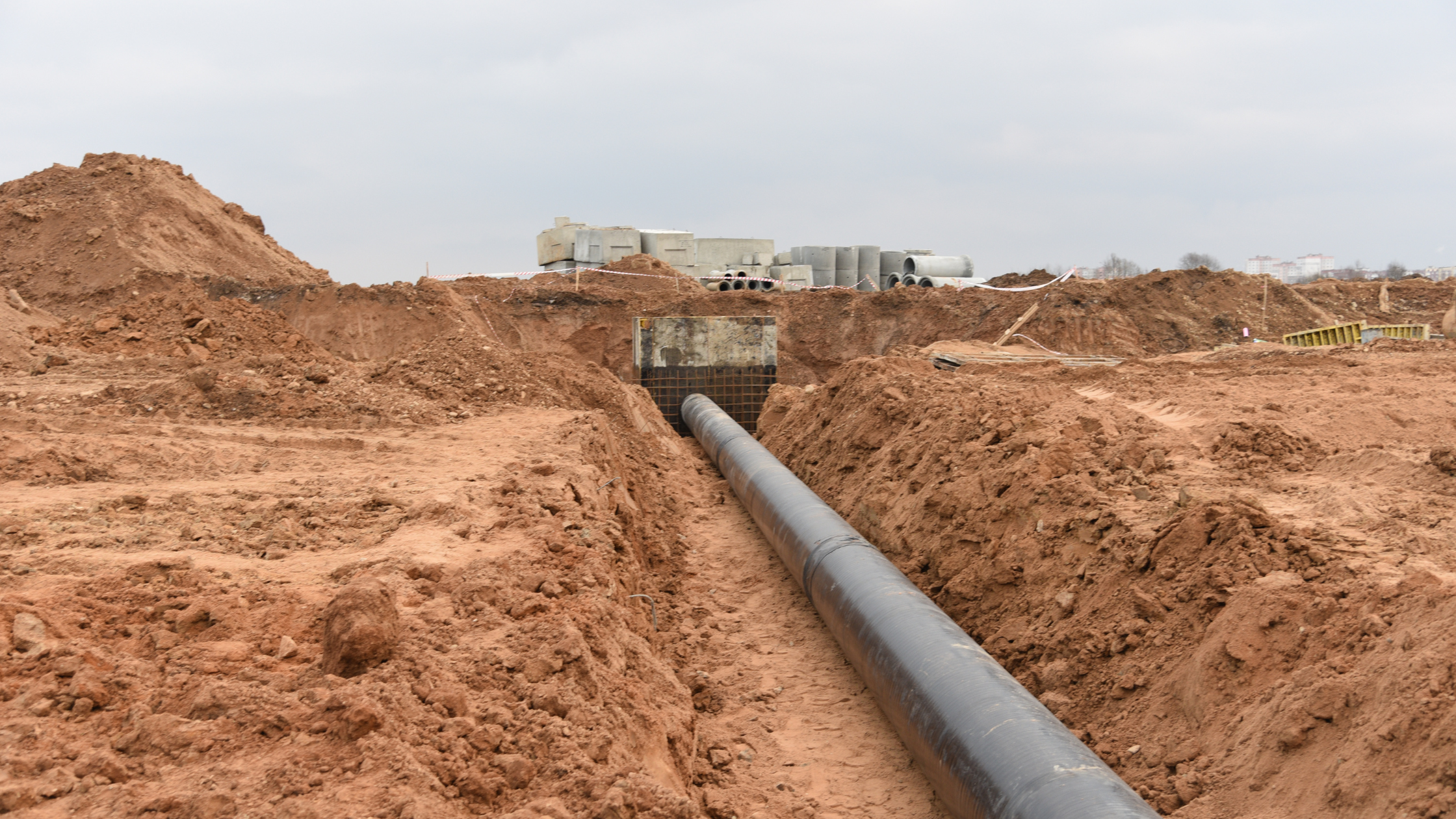
Trenching costs vary by depth—typically $3-$8 per foot for shallow trenches (12-24 inches), $5-$15 per foot for medium depth (24-48 inches), and $8-$25+ per foot for deep trenches (48+ inches). Costs depend on depth, width, soil conditions, site access, and obstacles. Rock or difficult conditions increase costs significantly. These are trenching costs only—pipe materials and installation cost additional. We provide detailed per-foot estimates after assessing your specific project.
Yes, calling 811 before any trenching is legally required in Ohio and all states. Call at least 48 hours (two full business days) before trenching begins. This free service notifies all utility companies who mark their underground utilities. Failing to call 811 can result in fines, liability for damages if utilities are struck, and serious safety risks. We always call 811 for every trenching project without exception—it’s both legally mandated and essential for safety.
Utility trench depth depends on utility type. Water lines require 42 inches minimum (below frost line). Sewer lines vary by drain elevation and slope, often 4-8+ feet. Gas lines require 18-24 inches minimum. Electric service requires 18-24 inches for residential. Each utility has specific code requirements that must be met. We trench all utilities to proper depths ensuring code compliance and proper system function.
Trenching timeline depends on length and complexity. Simple residential utility trenches (50-100 feet) typically take 1-2 days. Longer or deeper trenches can take 3-5 days. Complex projects with multiple trenches or difficult conditions can take a week or more. The 811 utility location process requires 48 hours before trenching can begin. Weather affects outdoor trenching—rain causes delays. We provide specific timelines for your project based on its requirements.
Yes, we can trench through rock when encountered, though it significantly increases time and cost. Rock trenching methods include rock breaking using hydraulic hammers on excavators, saw cutting for some rock types, or blasting for extensive rock (with proper permits). Rock isn’t common throughout Central Ohio but we occasionally encounter limestone or other formations. When rock is present, we have equipment and experience handling it, though rock trenching can double or triple trenching costs compared to soil.
Trenching inevitably disturbs lawns but professional contractors minimize damage. We establish efficient trench routes minimizing affected area, use appropriate equipment for conditions, work efficiently completing trenching quickly, properly backfill and compact trenches preventing excessive settlement, and restore surfaces including seeding or sodding disturbed areas. Lawns typically recover within one growing season. While temporary disruption occurs, long-term benefits of properly installed utilities or drainage outweigh short-term lawn damage. We take care minimizing and properly repairing lawn damage.
Professional trenching services for utilities, drainage, and underground infrastructure throughout Central Ohio. Contact Drain Bros for estimates and scheduling.